India +91 94223 00020abhay@splendidlab.comISO 17034:2016 · GLP certified
Clavulanic acid is a beta-lactam compound functioning as a mechanism-based beta-lactamase inhibitor, commonly utilized in combination with penicillin-class antibiotics to treat bacterial infections by… Read more
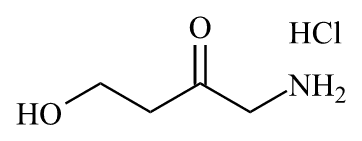
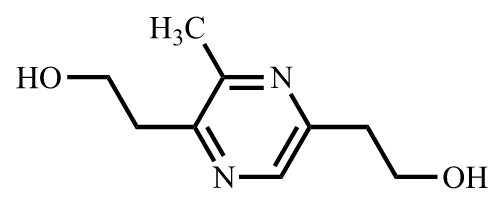

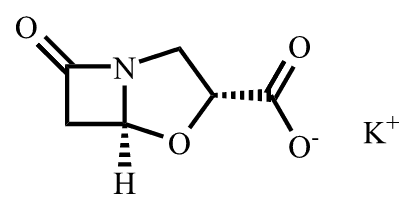


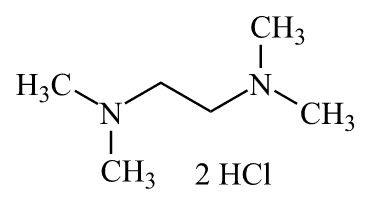


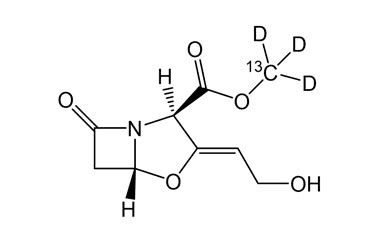
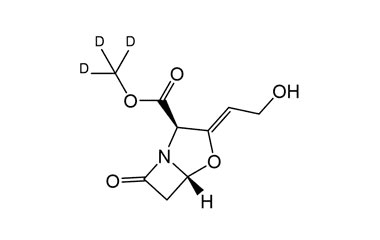
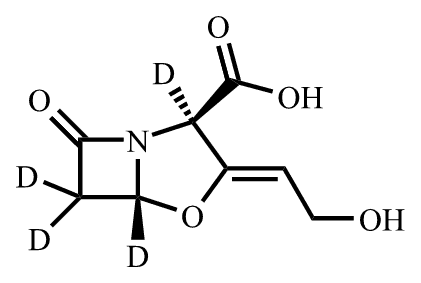


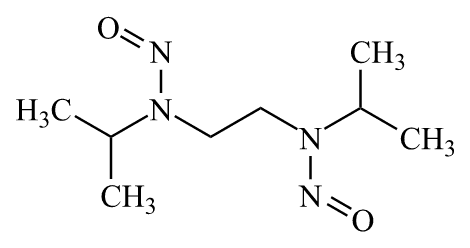
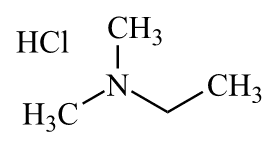

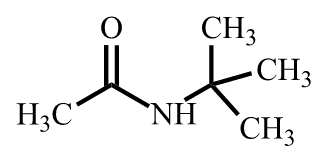
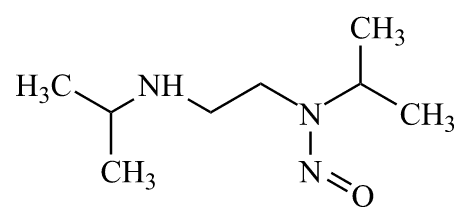
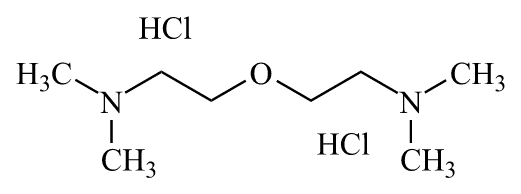

Clavulanic acid is a beta-lactam compound functioning as a mechanism-based beta-lactamase inhibitor, commonly utilized in combination with penicillin-class antibiotics to treat bacterial infections by protecting the primary drug from enzymatic degradation. To ensure rigorous quality control and accurate method validation, analytical laboratories rely on a comprehensive selection of reference standards. This category provides access to essential materials, including the active pharmaceutical ingredient, its potassium and lithium salts, and a wide array of process-related and degradation impurities. These standards are critical for precise impurity profiling and regulatory compliance. Furthermore, researchers utilize stable isotope labelled compounds, such as deuterated and 13C-labelled variants, as internal standards to support reliable quantitative analysis within complex matrices. This ensures that analytical methods for detecting and quantifying clavulanic acid remain robust throughout the drug development and manufacturing lifecycle.

