India +91 94223 00020abhay@splendidlab.comISO 17034:2016 · GLP certified
Clofarabine is a purine nucleoside antimetabolite chemotherapy agent primarily indicated for the treatment of relapsed or refractory acute lymphoblastic leukemia in pediatric patients. By inhibiting ribonucleotide… Read more
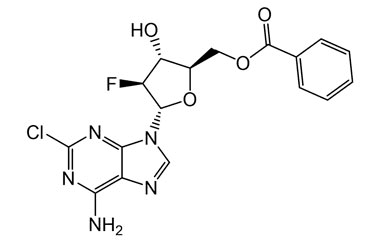
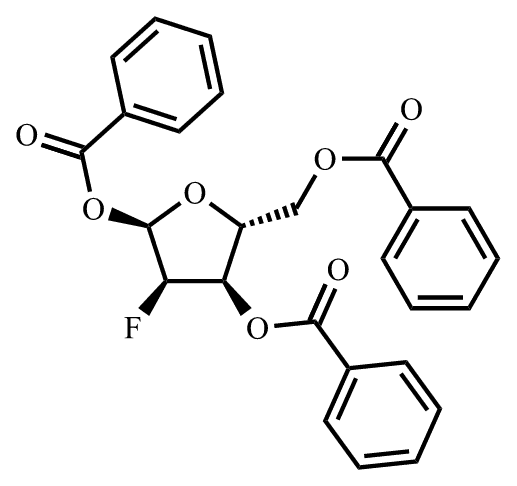
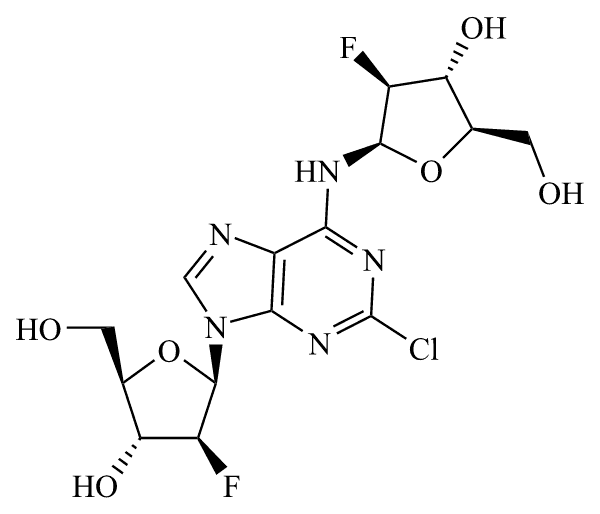
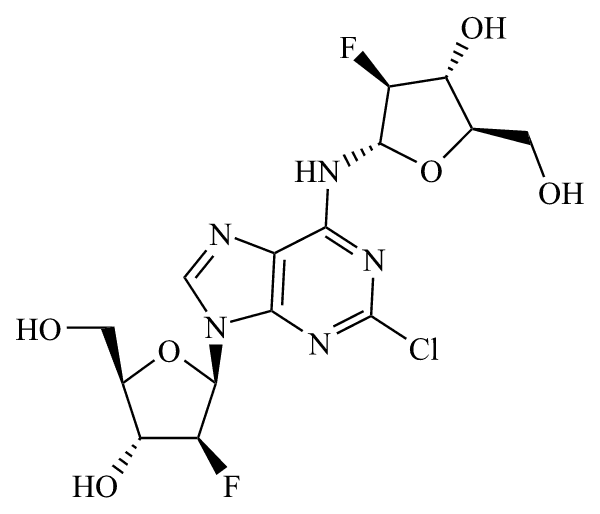







![Chemical structure of 2-Chloro-9-[2-deoxy-2-fluoro-5-O-[hydroxy[[hydroxy(phosphonooxy)phosphinyl]oxy]phosphinyl]-B-D-arabinofuranosyl]-9H-purin-6-amine](/_next/image?url=https%3A%2F%2Fassets.splendidlab.com%2F134646-41-6-2-Chloro-9-2-deoxy-2-fluoro-5-O-hydroxyhydroxyphosphonooxyphosphinyloxyphosphinyl-B-D-arabinofuranosyl-9H-purin-6-amine.png&w=3840&q=75)

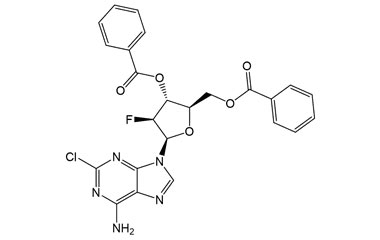


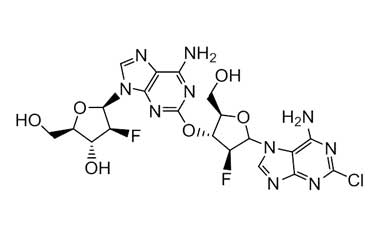
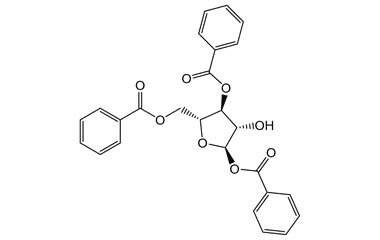
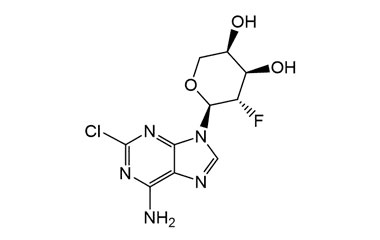
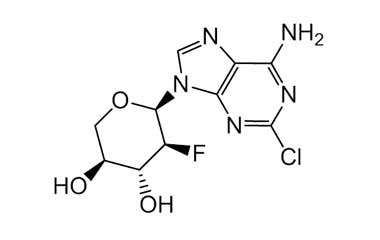
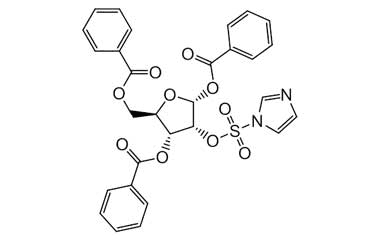
Clofarabine is a purine nucleoside antimetabolite chemotherapy agent primarily indicated for the treatment of relapsed or refractory acute lymphoblastic leukemia in pediatric patients. By inhibiting ribonucleotide reductase and DNA polymerase, this drug effectively disrupts DNA synthesis and repair, ultimately inducing apoptosis in malignant cells. Within this category, laboratories utilize Clofarabine reference standards, including pharmacopeial and non-pharmacopeial impurities, to support rigorous analytical testing and quality control protocols. These related compounds, along with specific metabolites and stable isotope labelled versions of the drug, are essential for impurity profiling, method validation, and the accurate quantification of active pharmaceutical ingredients in various formulations. By employing these high-quality standards, researchers and pharmaceutical analysts can ensure the precision and stability of their investigative and manufacturing processes, maintaining compliance with stringent regulatory standards for oncology medication development.

