India +91 94223 00020abhay@splendidlab.comISO 17034:2016 · GLP certified
Cycloserine is a broad-spectrum antibiotic classified as an aminocyclic compound, primarily utilized as a second-line treatment for active, drug-resistant tuberculosis in combination with other antitubercular… Read more
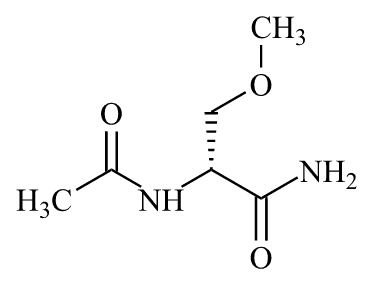

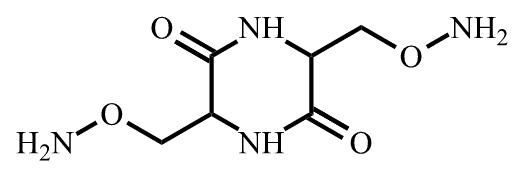
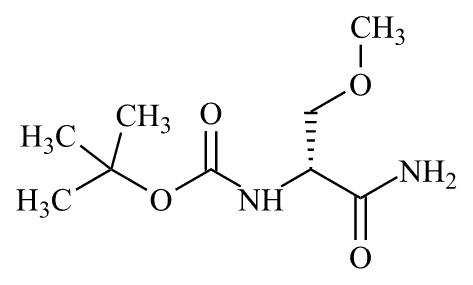
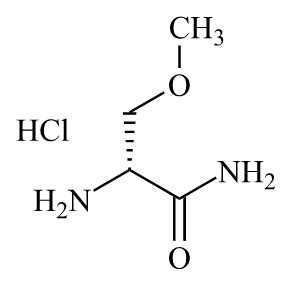
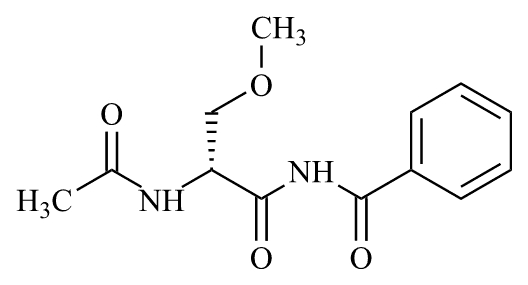
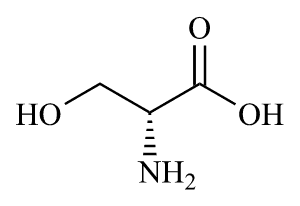

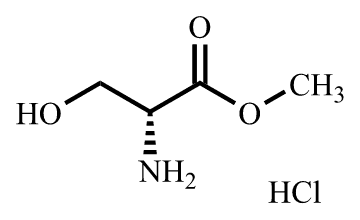
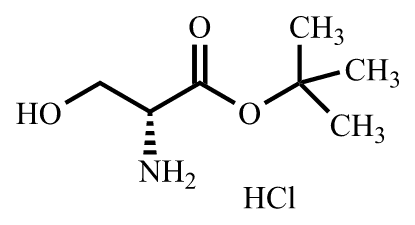
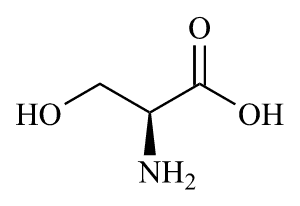
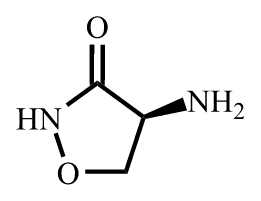

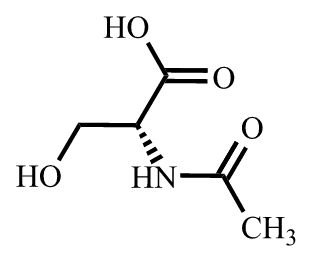
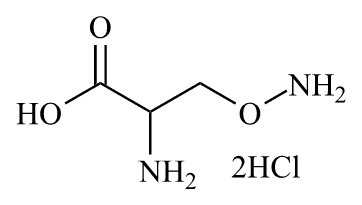
Cycloserine is a broad-spectrum antibiotic classified as an aminocyclic compound, primarily utilized as a second-line treatment for active, drug-resistant tuberculosis in combination with other antitubercular medications. It functions by inhibiting bacterial cell wall synthesis through interference with the production of peptidoglycan precursors. This category provides a comprehensive selection of Cycloserine reference standards, including the active pharmaceutical ingredient, pharmacopeial and non-pharmacopeial impurities, and stable isotope labelled compounds. Pharmaceutical laboratories utilize these high-quality materials for critical analytical processes, such as impurity profiling, method validation, and ongoing quality control. By providing structurally characterized standards—ranging from degradation products and synthetic derivatives to isotopically labeled internal standards—these products support rigorous compliance with regulatory requirements and ensure the accuracy of stability studies and potency assessments throughout the drug development lifecycle.

