India +91 94223 00020abhay@splendidlab.comISO 17034:2016 · GLP certified
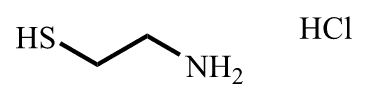
Cysteamine hydrochloride is an amino acid derivative and chelating agent primarily used to treat cystinosis, a rare genetic disorder, by reducing cystine accumulation in tissues and the eye. Laboratories… Read more
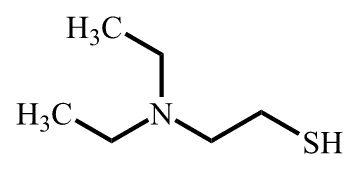
Cysteamine hydrochloride is an amino acid derivative and chelating agent primarily used to treat cystinosis, a rare genetic disorder, by reducing cystine accumulation in tissues and the eye. Laboratories use the related compounds in this category, including various N-substituted derivatives, thiol-containing impurities, and functionalized analogs, as essential reference standards during the pharmaceutical development process. These compounds are critical for impurity profiling, method validation, and rigorous quality control protocols to ensure the safety and efficacy of the parent drug substance. By providing characterized standards for comparative analysis, these materials allow chemists to accurately identify and quantify trace-level degradation products or synthesis-related impurities. Utilizing these high-quality reference materials supports regulatory compliance and ensures consistency in analytical testing throughout the drug substance lifecycle.