India +91 94223 00020abhay@splendidlab.comISO 17034:2016 · GLP certified
Dacarbazine is an alkylating chemotherapy medication utilized primarily for the treatment of metastatic melanoma and Hodgkin's lymphoma. As an oncology agent that inhibits cell division through DNA alkylation,… Read more

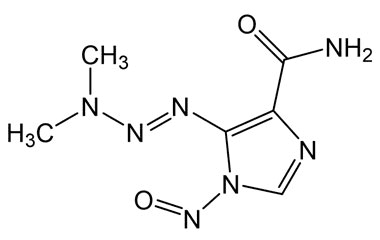


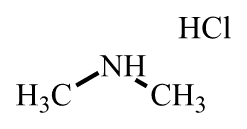

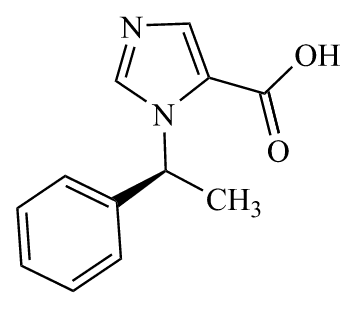


Dacarbazine is an alkylating chemotherapy medication utilized primarily for the treatment of metastatic melanoma and Hodgkin's lymphoma. As an oncology agent that inhibits cell division through DNA alkylation, it requires rigorous analytical testing during manufacturing and quality control to ensure therapeutic consistency. This category provides essential reference standards, including the API, diverse process-related impurities, and degradation products required for comprehensive impurity profiling. Laboratories also rely on stable isotope labelled compounds, such as deuterated and 13C-labelled versions, as internal standards for highly accurate quantification in complex matrices. These materials support critical pharmaceutical activities, ranging from method validation and forced degradation studies to genotoxicity screening. Whether meeting specific pharmacopeial requirements or investigating unknown degradation pathways, these structurally characterized compounds are vital for maintaining the safety and efficacy of therapeutic preparations throughout the entire product lifecycle.

