India +91 94223 00020abhay@splendidlab.comISO 17034:2016 · GLP certified
Doramectin is a potent macrolide antiparasitic agent belonging to the avermectin class, primarily utilized in veterinary medicine to treat and control a wide range of external and internal parasites, including… Read more

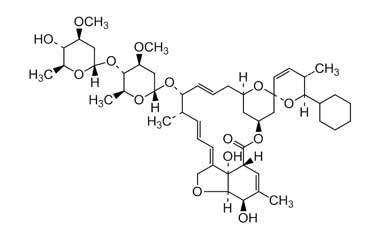
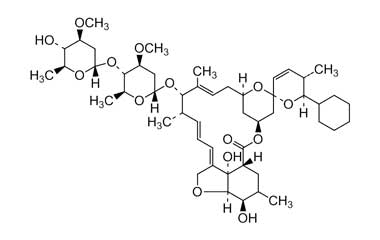
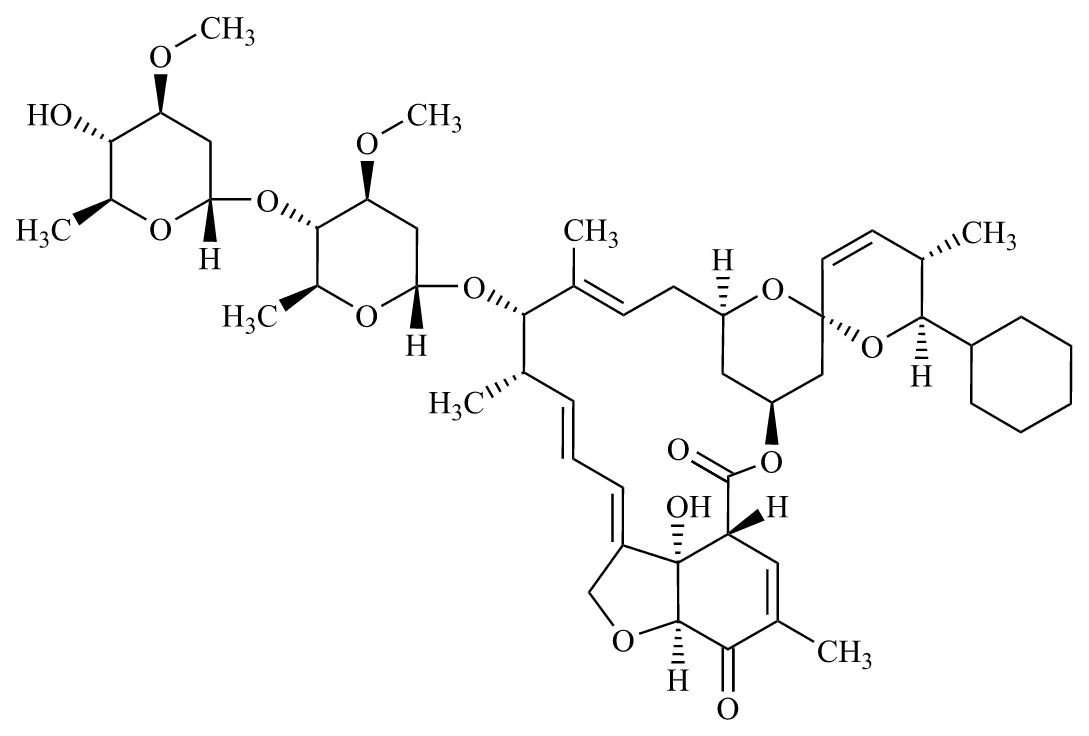
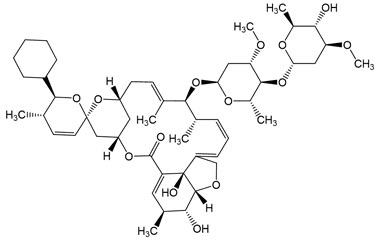
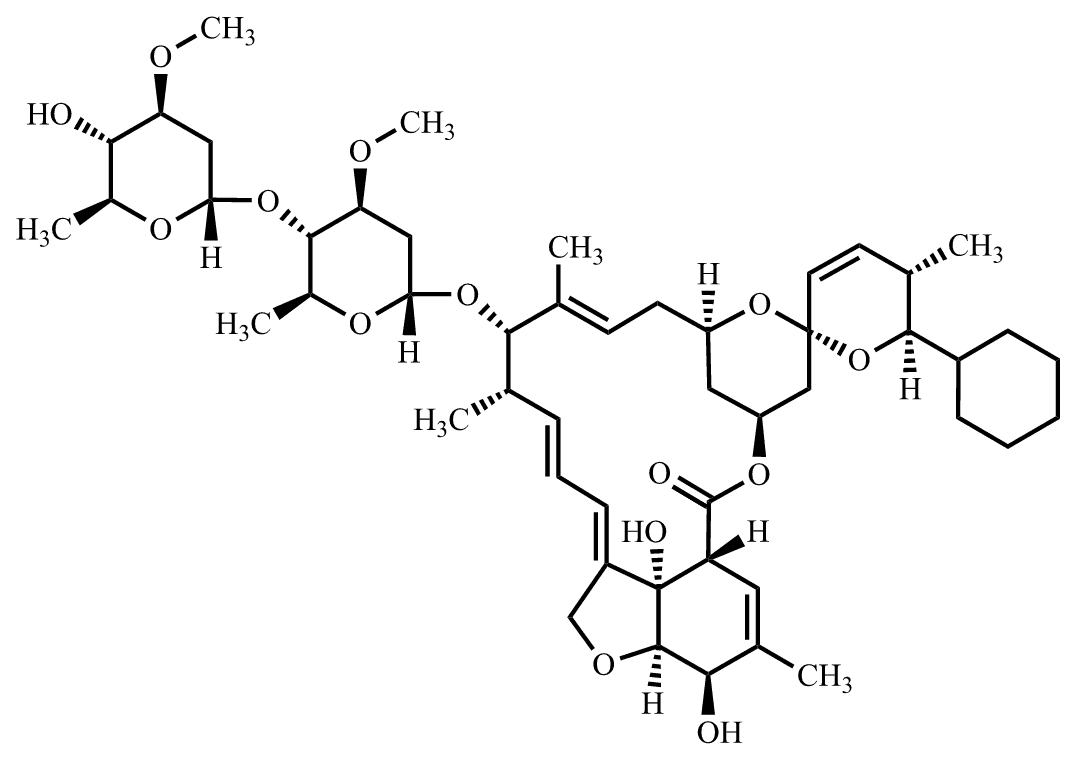
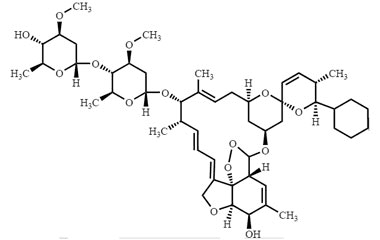
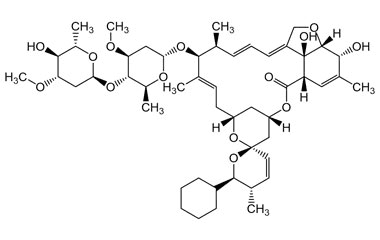
Doramectin is a potent macrolide antiparasitic agent belonging to the avermectin class, primarily utilized in veterinary medicine to treat and control a wide range of external and internal parasites, including gastrointestinal roundworms, lungworms, eyeworms, grubs, sucking lice, and mange mites in cattle. This category provides essential reference standards for the parent active pharmaceutical ingredient, alongside a comprehensive range of pharmacopeial and non-pharmacopeial impurities, metabolites, and degradation products. These materials are critical for accurate impurity profiling and method validation within pharmaceutical laboratories. By utilizing these precise analytical standards, including stable isotope labelled compounds for mass spectrometry, researchers can ensure robust quality control and regulatory compliance during the development and stability testing of veterinary antiparasitic formulations. Laboratories rely on these high-quality compounds to maintain the integrity of their analytical testing protocols across various complex chemical matrices.

