India +91 94223 00020abhay@splendidlab.comISO 17034:2016 · GLP certified
Doxofylline is a methylxanthine derivative and potent bronchodilator primarily indicated for the treatment of asthma and chronic obstructive pulmonary disease. By inhibiting phosphodiesterase enzymes,… Read more

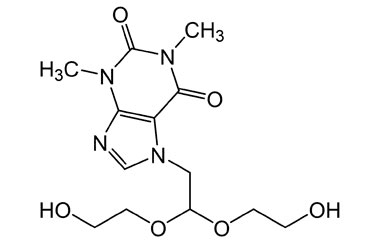
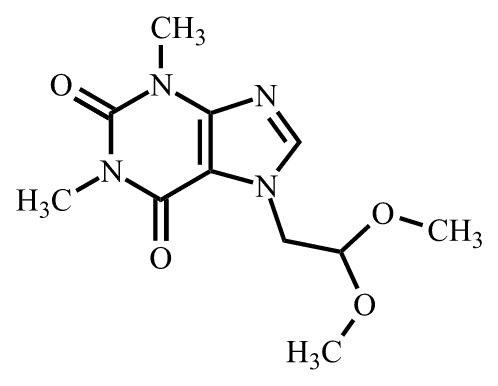
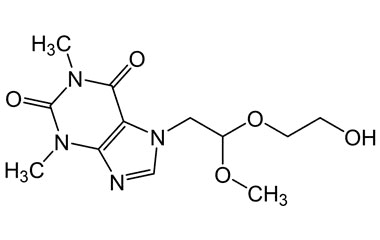


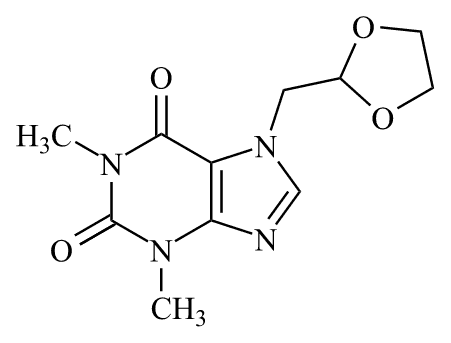


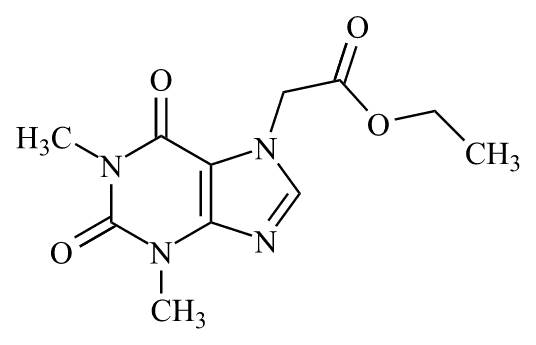
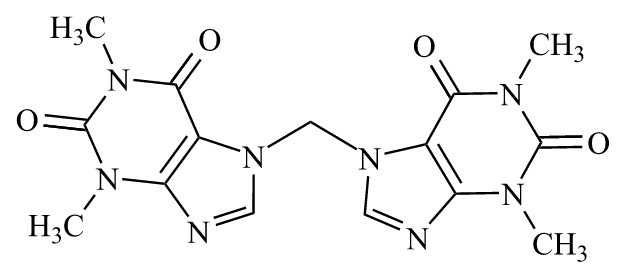
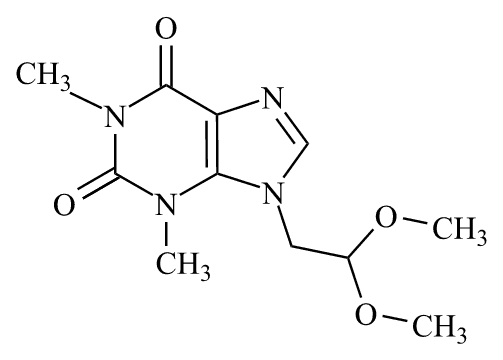
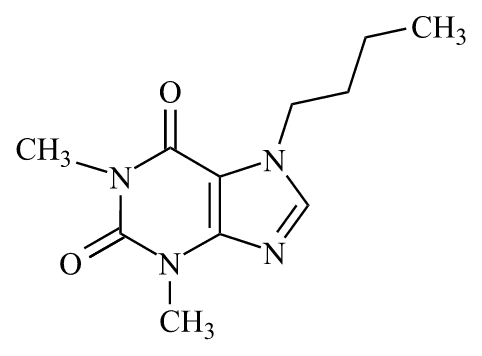
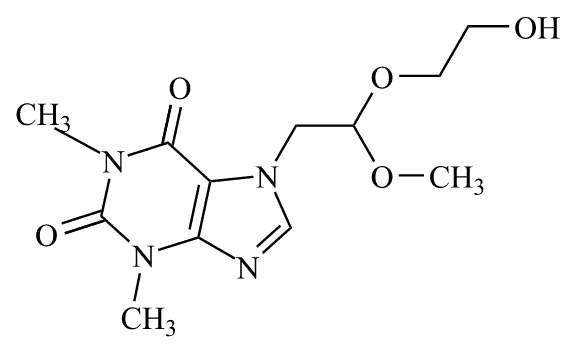
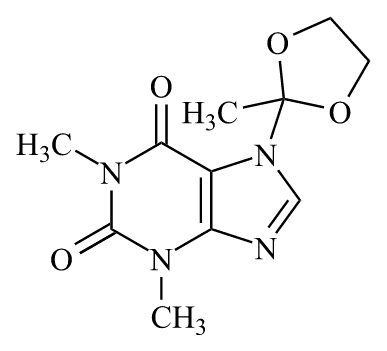
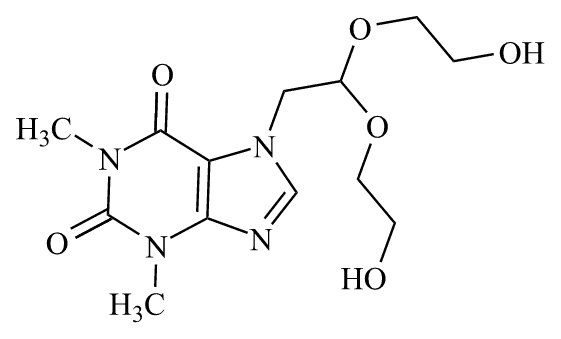
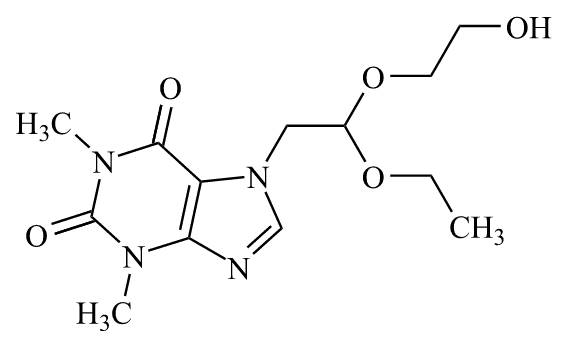
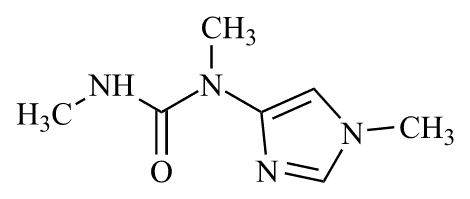
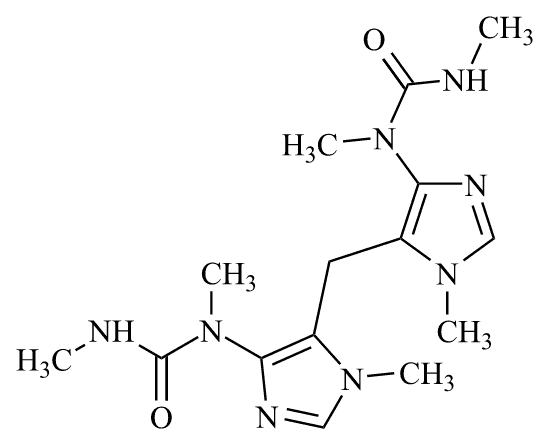
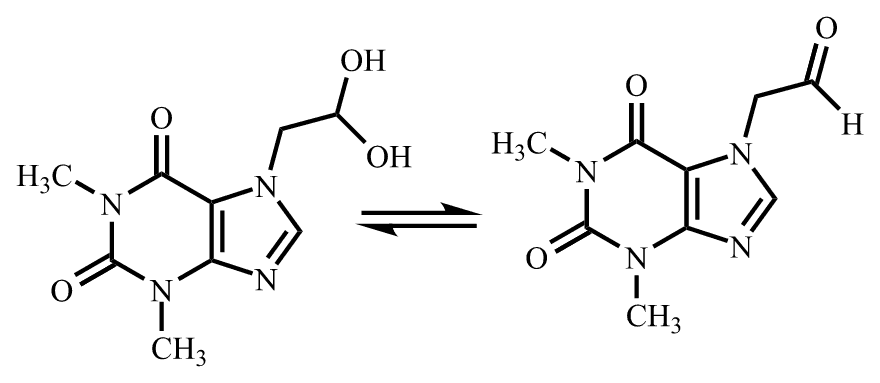
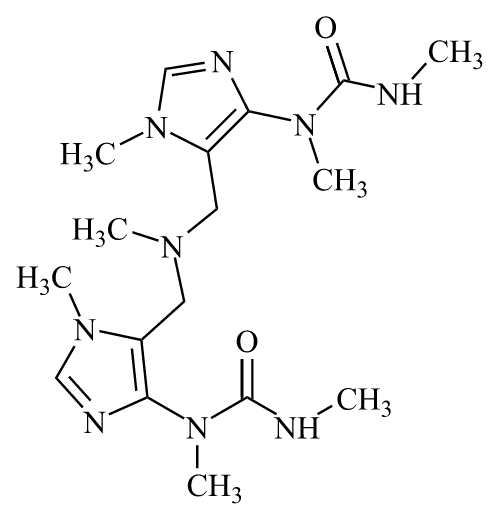
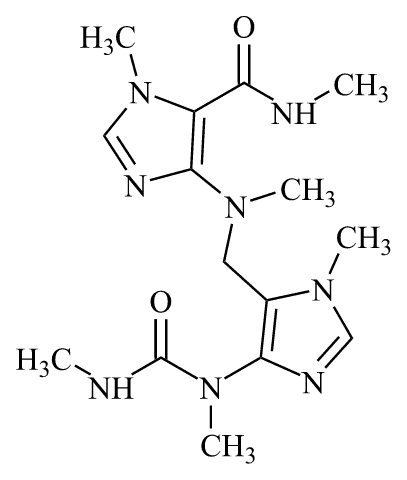
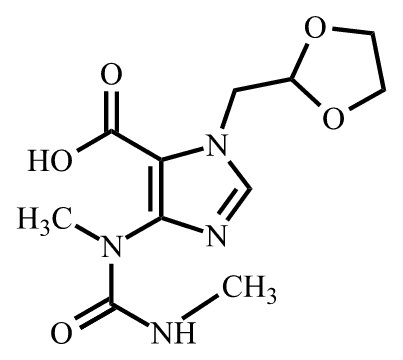
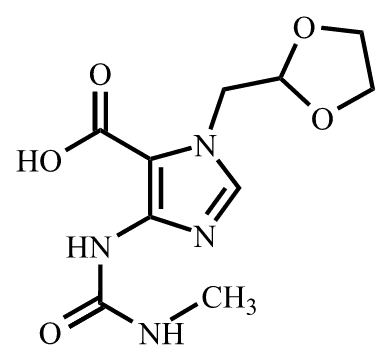

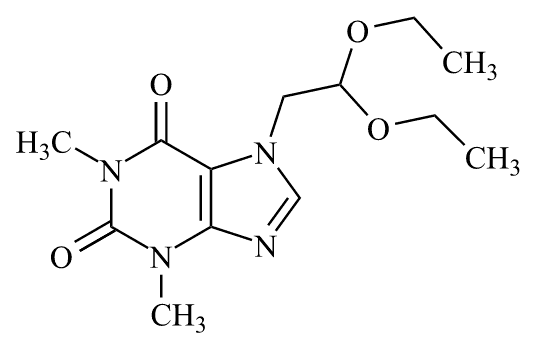


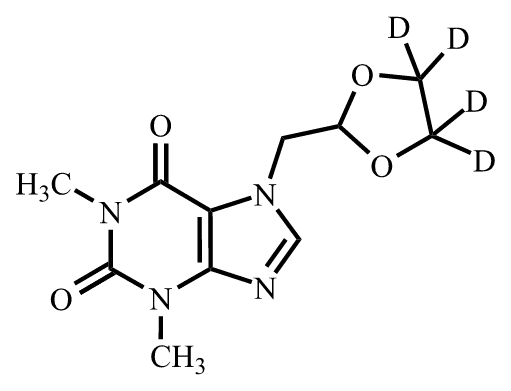
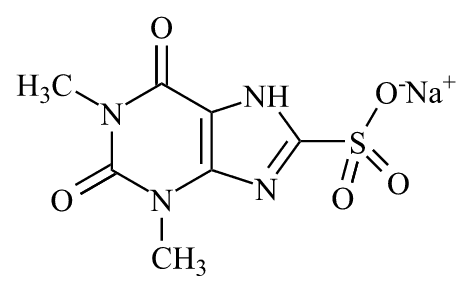

Doxofylline is a methylxanthine derivative and potent bronchodilator primarily indicated for the treatment of asthma and chronic obstructive pulmonary disease. By inhibiting phosphodiesterase enzymes, it relaxes bronchial smooth muscle to improve airflow, offering therapeutic efficacy similar to other xanthine agents with a more favorable side-effect profile. Laboratories and pharmaceutical researchers rely on our high-quality Doxofylline reference standards, which include a comprehensive range of pharmacopeial and non-pharmacopeial impurities, synthetic analogs, and stable isotope-labelled compounds such as Doxofylline-d4. These materials are critical for accurate impurity profiling, method validation, and rigorous quality control testing. By facilitating the identification and quantification of degradation products formed through hydrolysis or oxidation, these standards ensure adherence to regulatory guidelines and support the maintenance of therapeutic safety throughout the drug development and stability testing lifecycle.

