India +91 94223 00020abhay@splendidlab.comISO 17034:2016 · GLP certified
Doxorubicin is a potent anthracycline antibiotic and cytotoxic antineoplastic agent widely used in the treatment of various malignancies, including leukemias, lymphomas, and solid tumors such as breast,… Read more
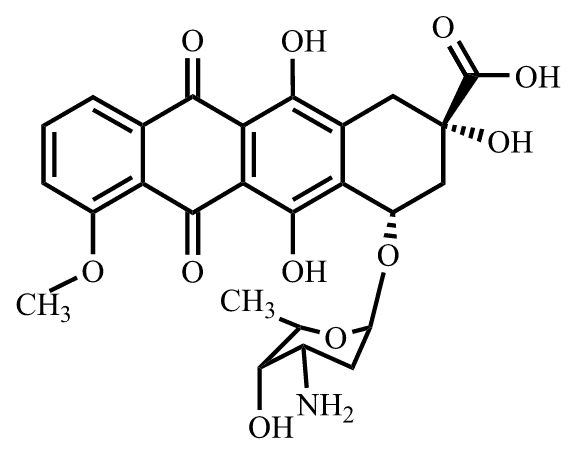
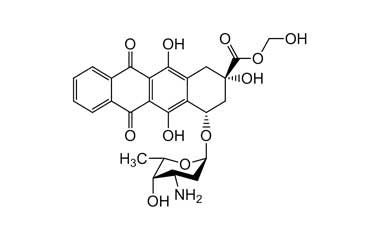


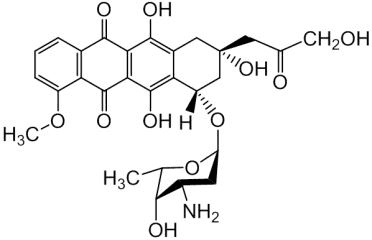


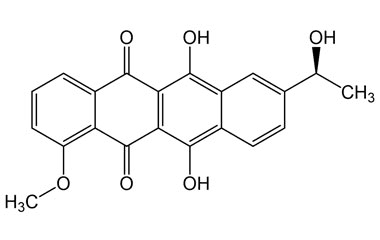
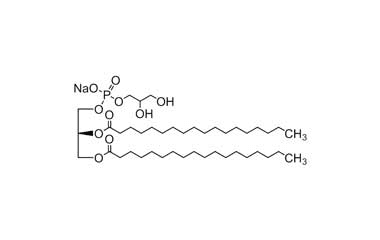


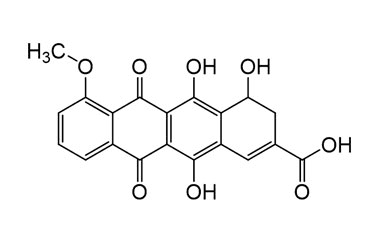

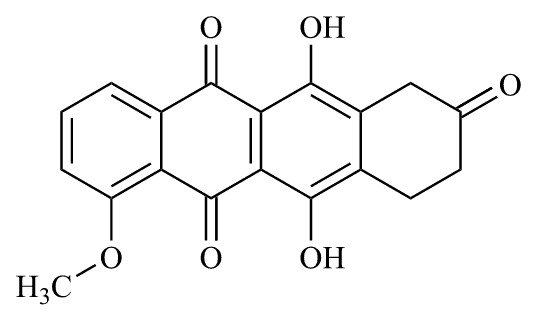
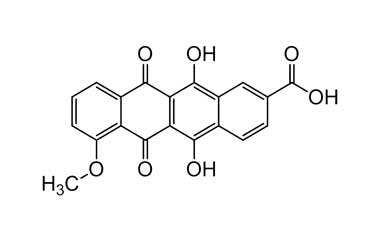


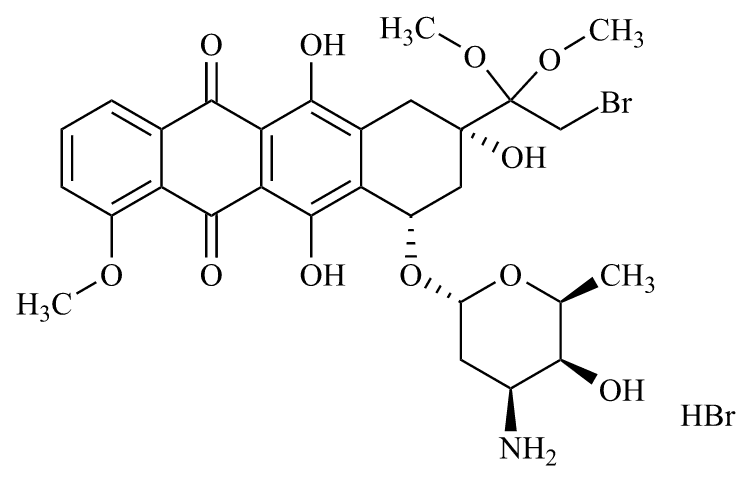
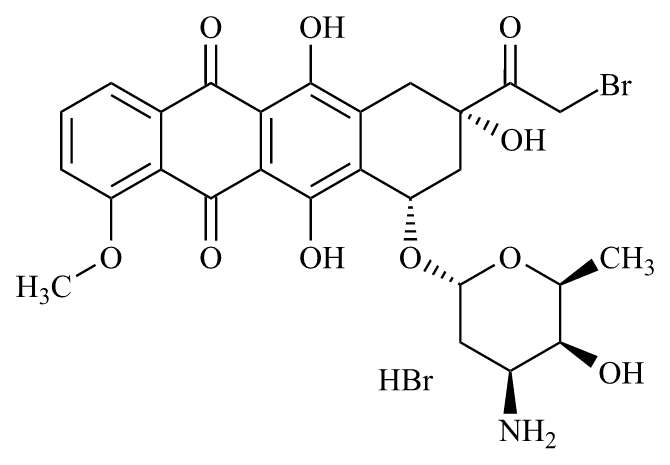




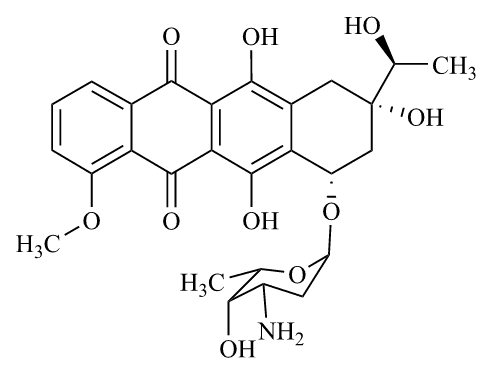


Doxorubicin is a potent anthracycline antibiotic and cytotoxic antineoplastic agent widely used in the treatment of various malignancies, including leukemias, lymphomas, and solid tumors such as breast, lung, ovarian, and thyroid cancers. Its primary mechanism of action involves DNA intercalation, the inhibition of topoisomerase II, and the generation of reactive oxygen species to disrupt cancer cell growth. Within this category, pharmaceutical laboratories utilize high-quality reference standards to ensure accurate analytical testing, method validation, and quality control. These materials include pharmacopeial and non-pharmacopeial impurities essential for rigorous impurity profiling and identification of degradation products. Additionally, stable isotope labelled compounds are employed as precise internal standards in mass spectrometry to account for matrix effects and instrument variability. By using these well-characterized substances, researchers can maintain consistent compliance with regulatory standards and ensure the efficacy and safety of pharmaceutical products throughout the development and manufacturing processes.

