India +91 94223 00020abhay@splendidlab.comISO 17034:2016 · GLP certified
Duocarmycin refers to a potent class of natural cytotoxic antibiotics primarily investigated as payloads in antibody-drug conjugates for their efficacy in treating various cancers, including colorectal… Read more

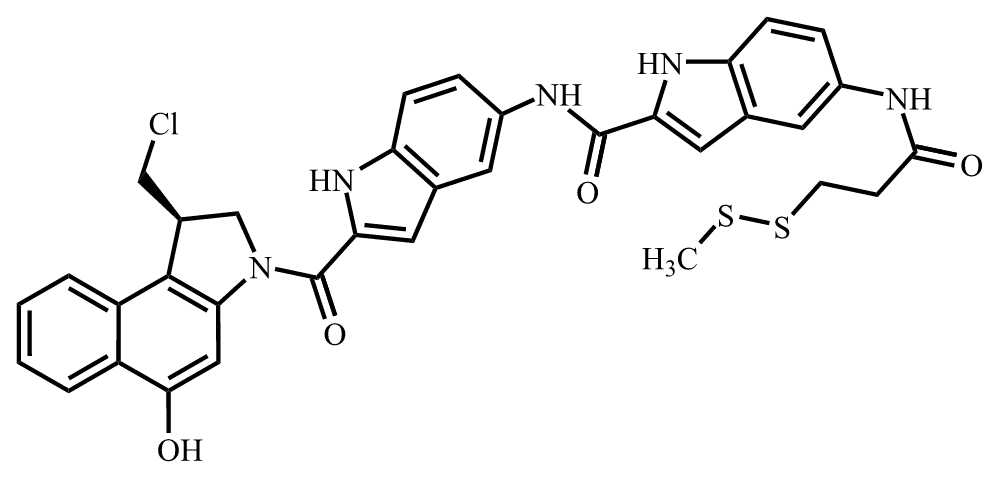
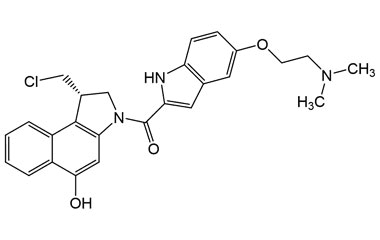
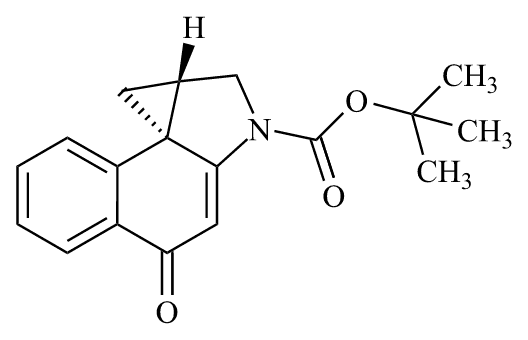
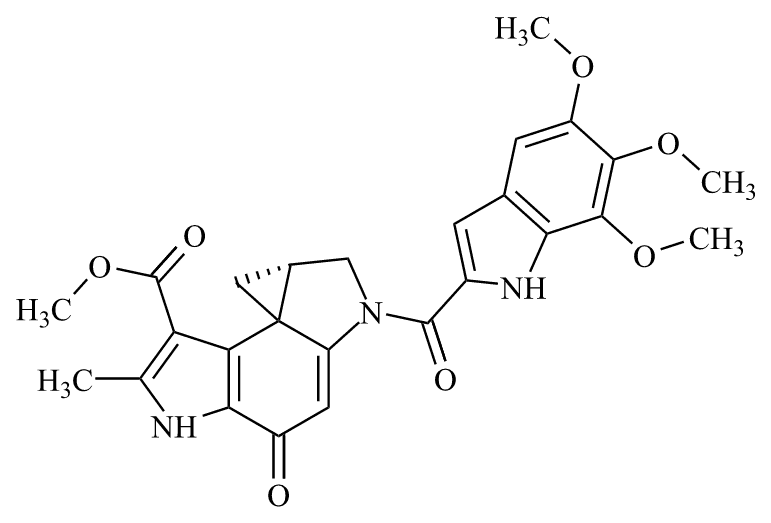
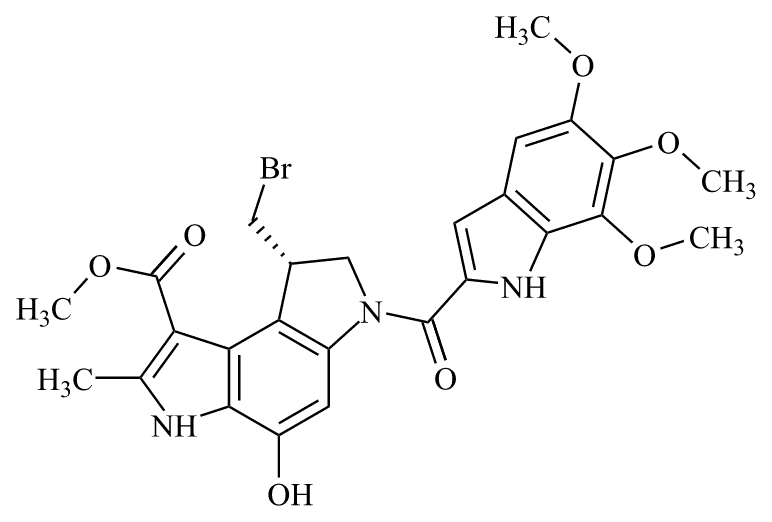
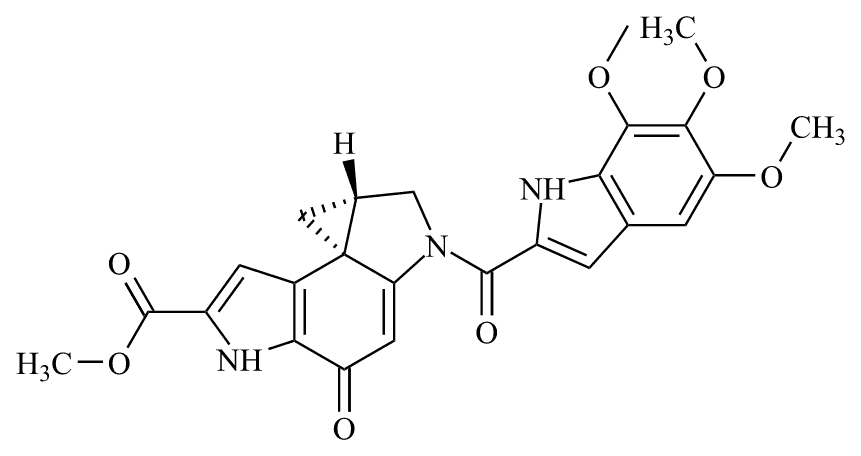
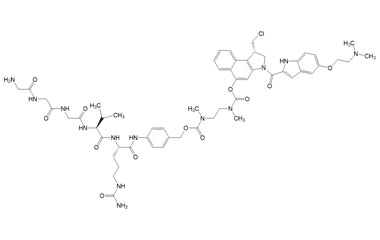

Duocarmycin refers to a potent class of natural cytotoxic antibiotics primarily investigated as payloads in antibody-drug conjugates for their efficacy in treating various cancers, including colorectal cancer. These compounds function as potent DNA alkylating agents, which bind to the minor groove of DNA and inhibit synthesis to prevent tumor cell replication. To support the rigorous development and manufacturing of these complex therapeutics, laboratories require high-quality reference standards, including the parent drug, identified synthesis-related impurities, potential metabolites, and stable isotope-labelled compounds. These materials are essential for accurate impurity profiling, method validation, and ongoing quality control during pharmaceutical analysis. By utilizing these precise analytical tools, researchers can ensure compliance with regulatory standards and maintain consistent product integrity throughout the development lifecycle of duocarmycin-based drug candidates.

