India +91 94223 00020abhay@splendidlab.comISO 17034:2016 · GLP certified
DYES are a class of synthetic organic compounds, including azo dyes and pigments, that serve as essential colorants in food, textile, and pharmaceutical applications. To ensure the safety, purity, and… Read more

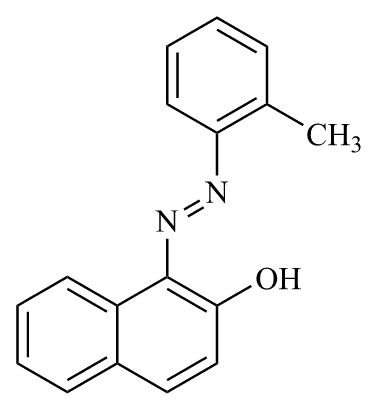
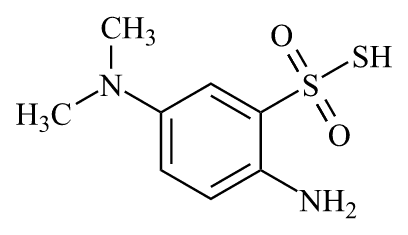

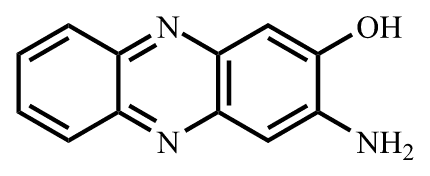
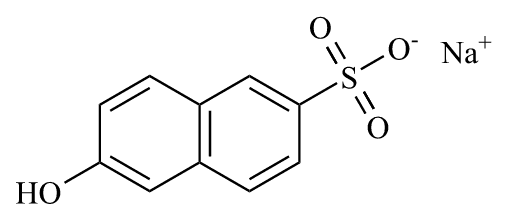
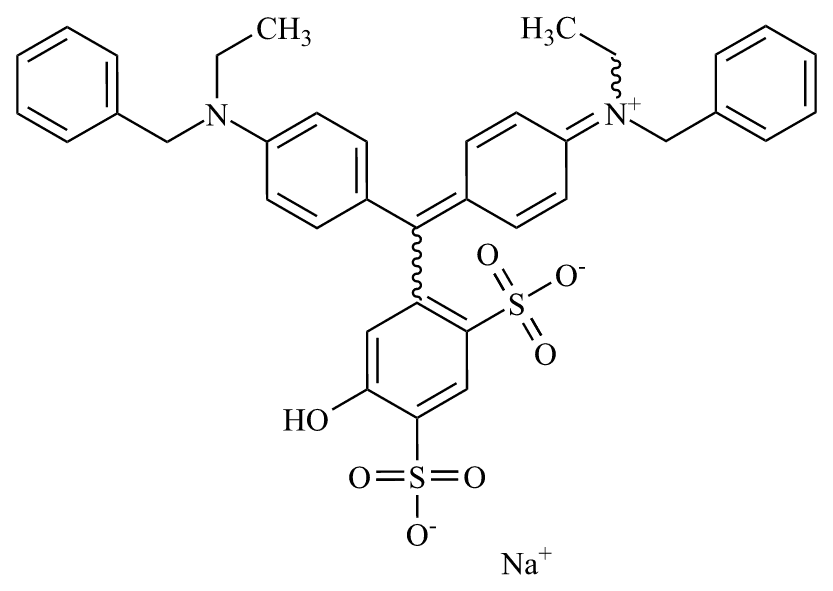
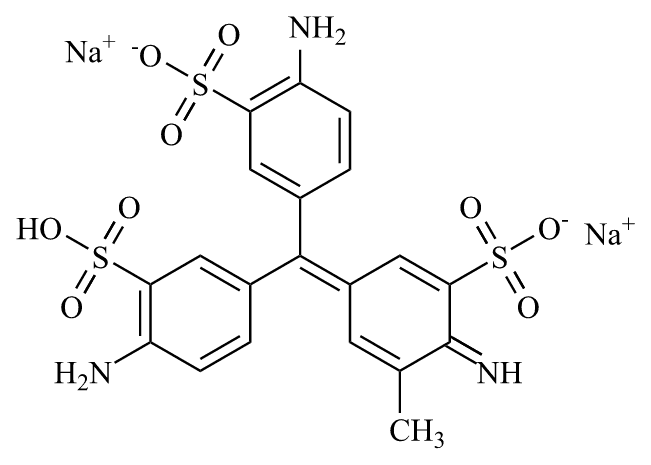
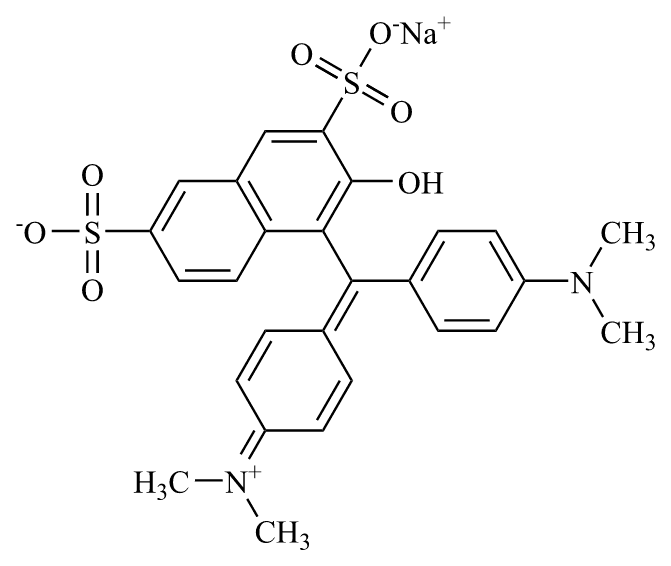
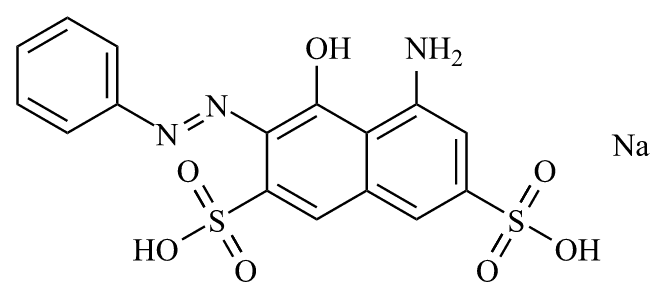
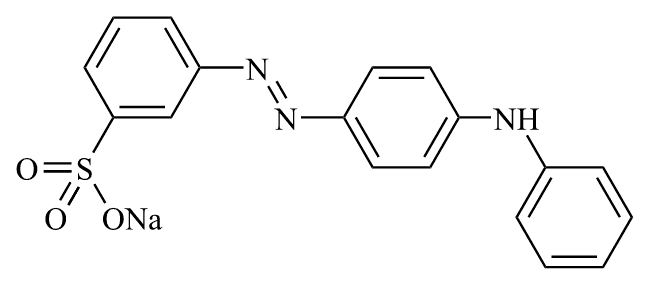
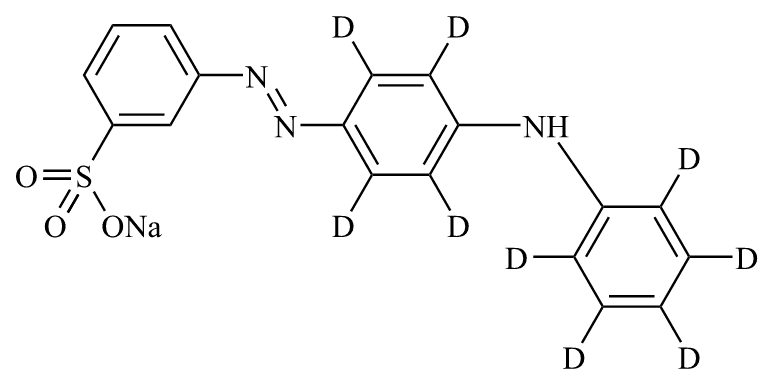

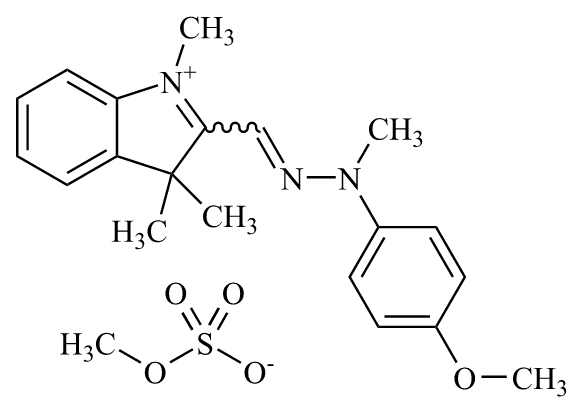

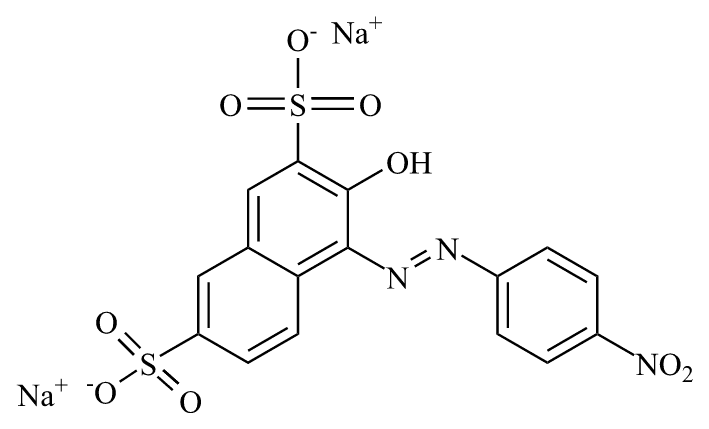
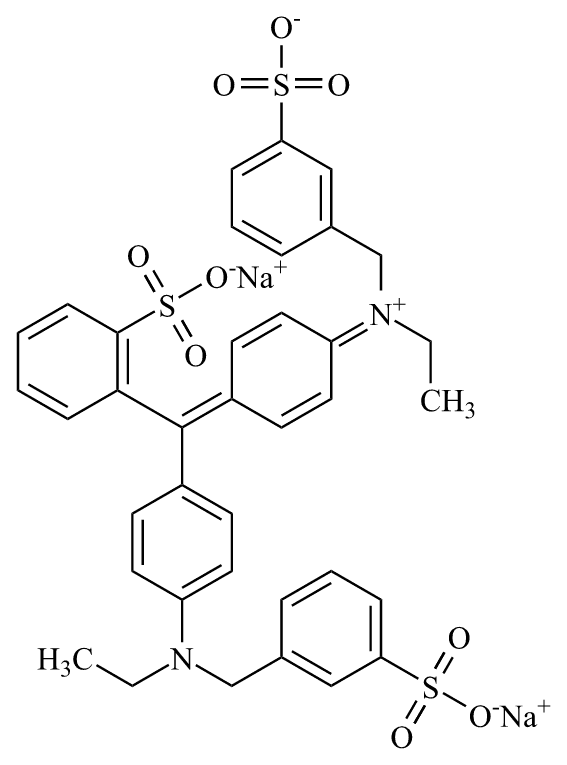
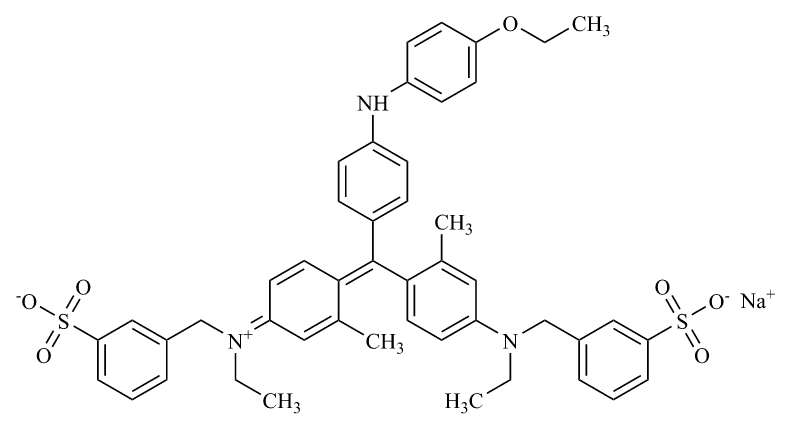
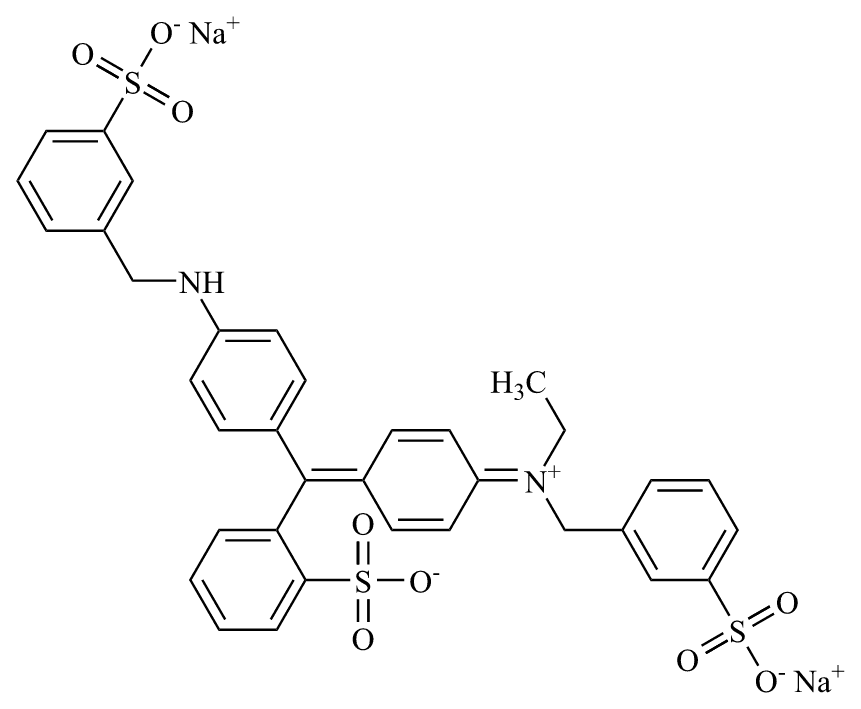
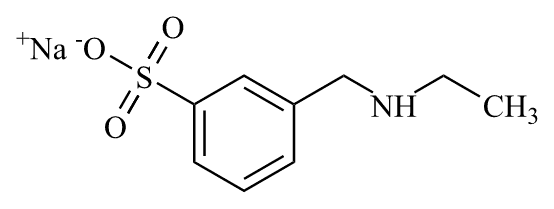
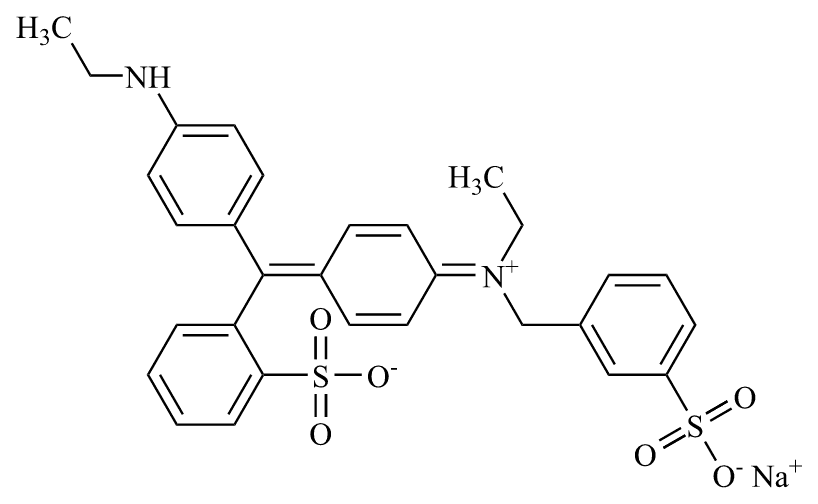
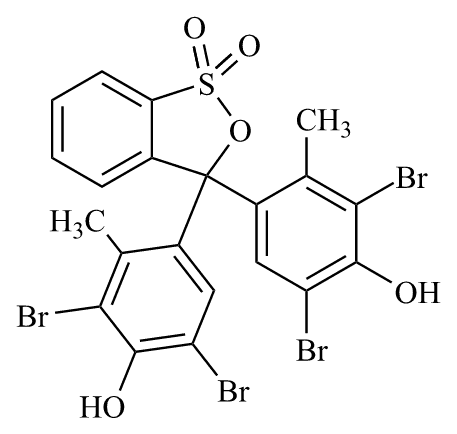

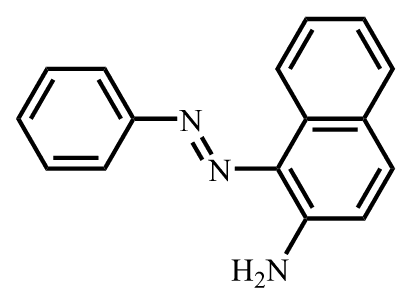
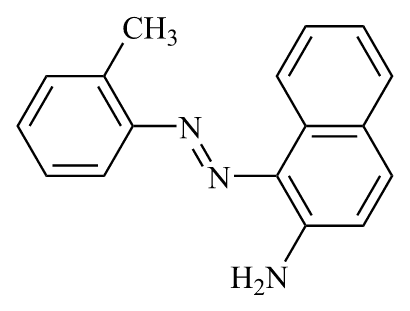
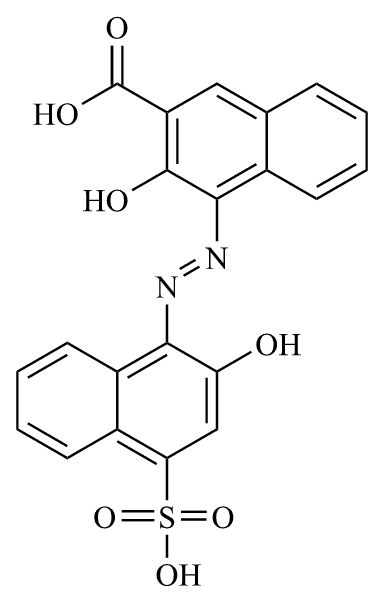
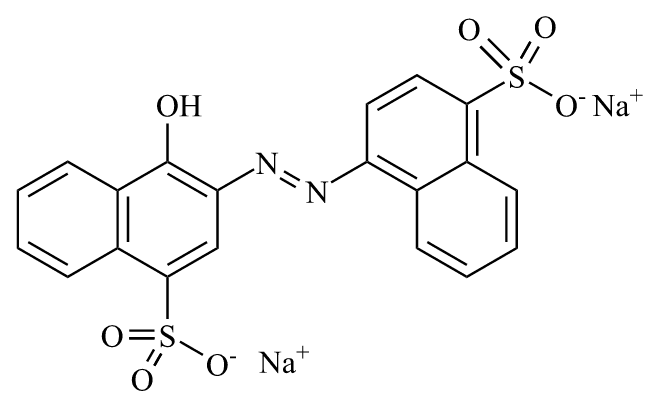
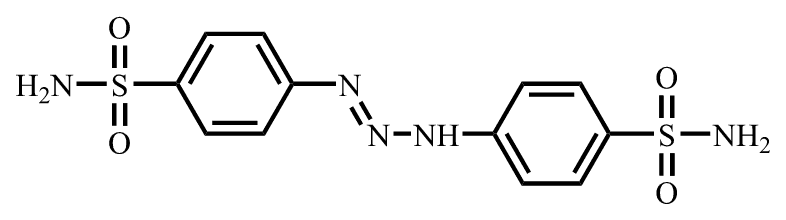
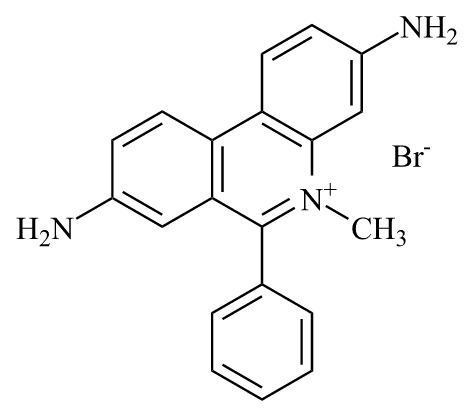
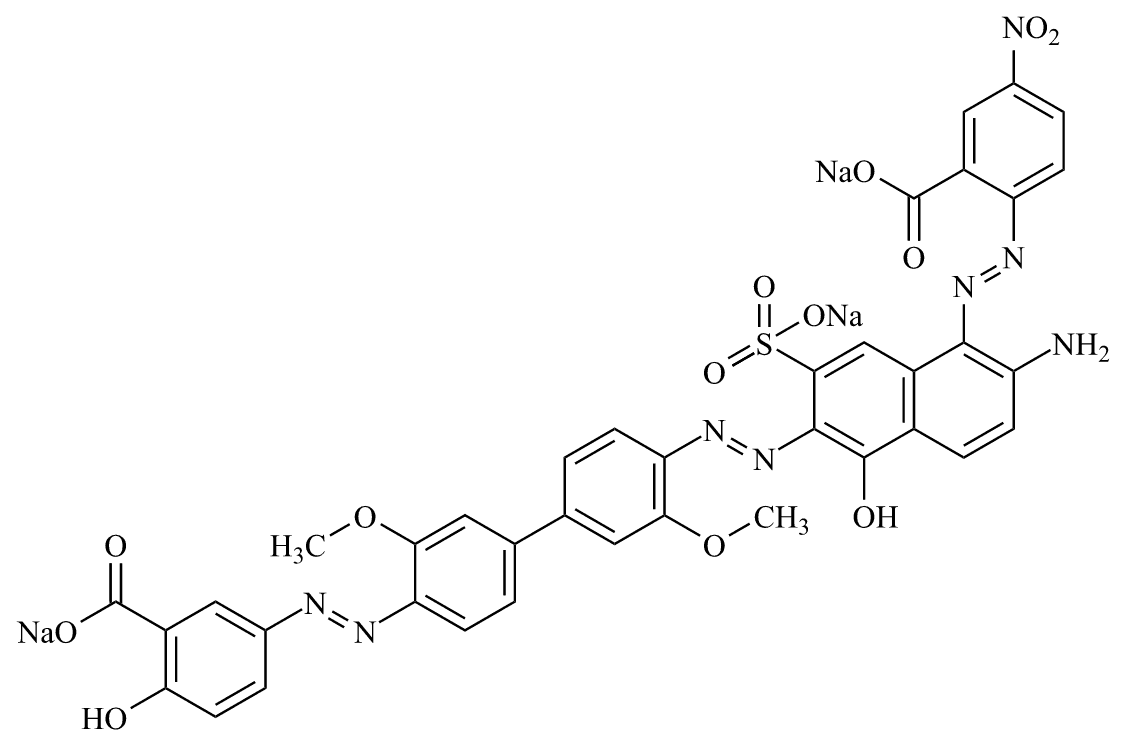
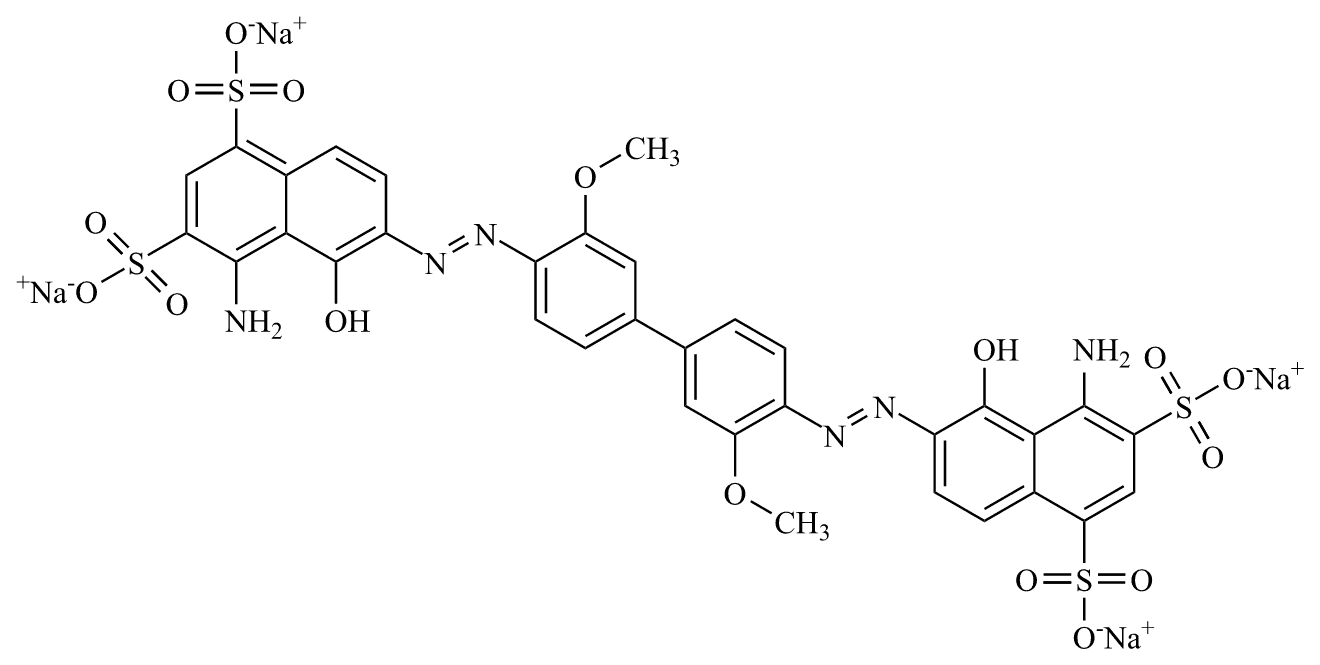
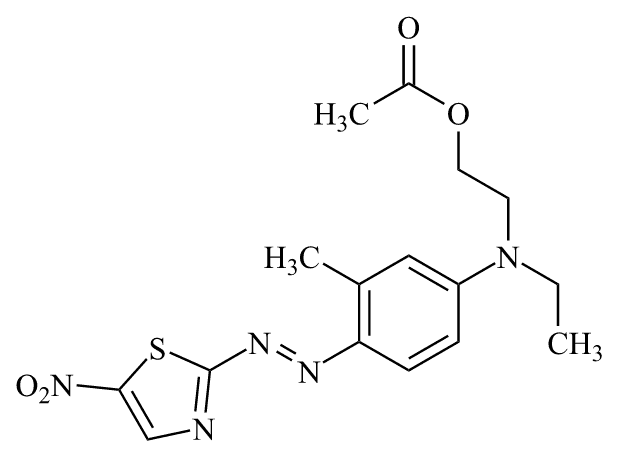
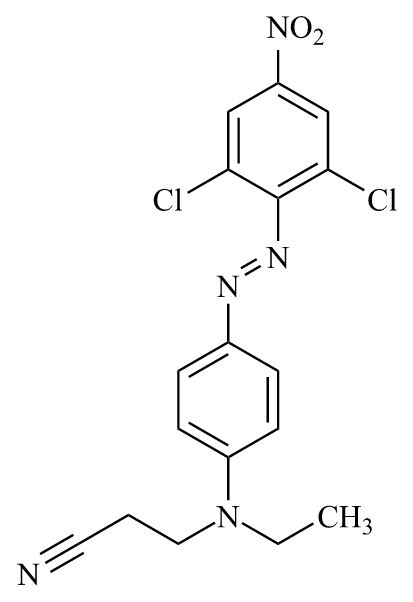
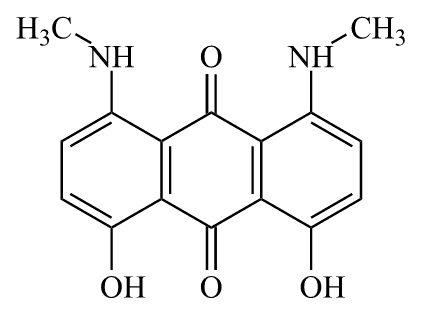
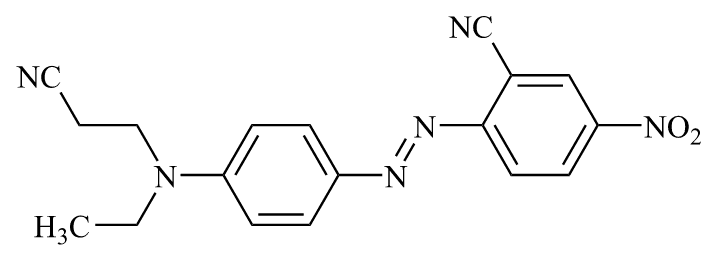
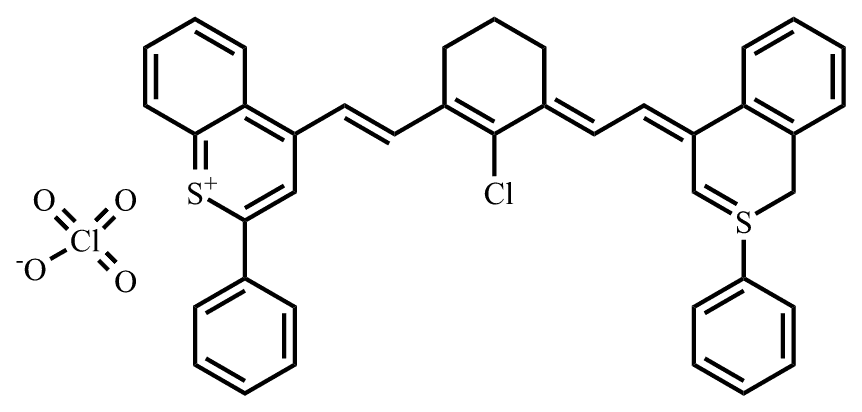
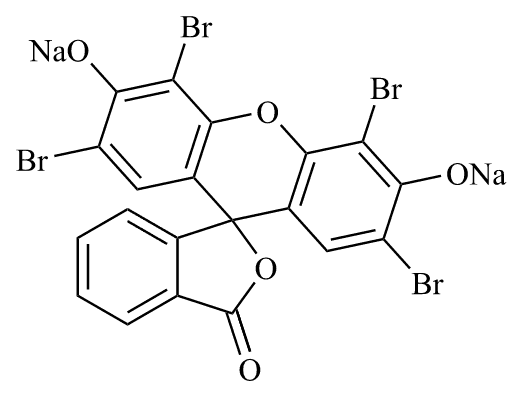
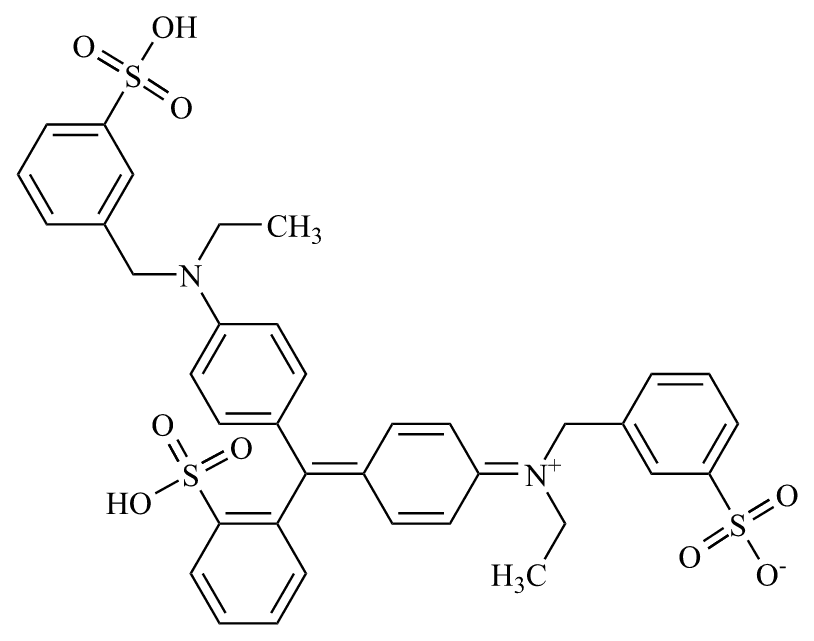
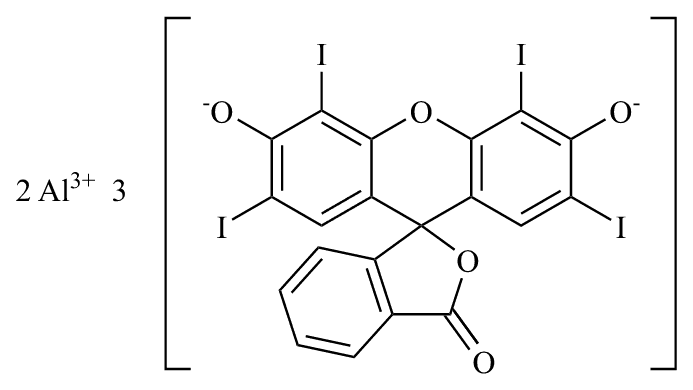
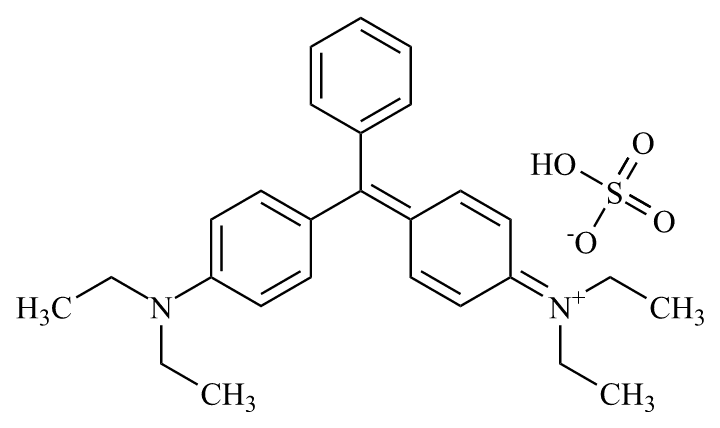
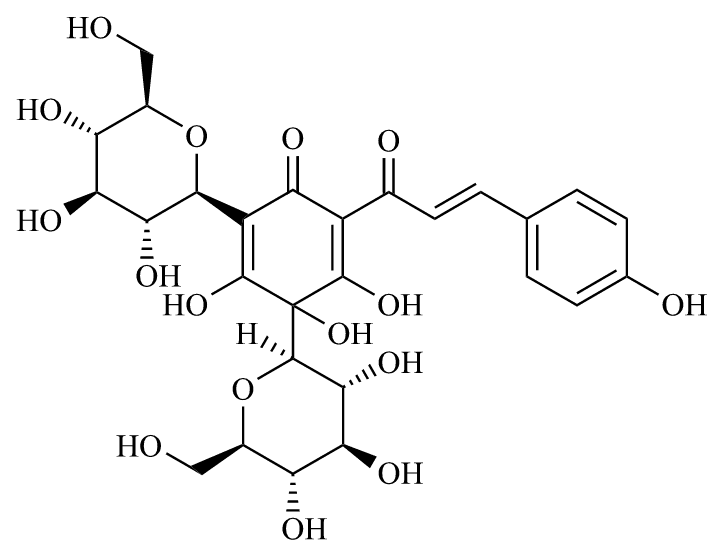
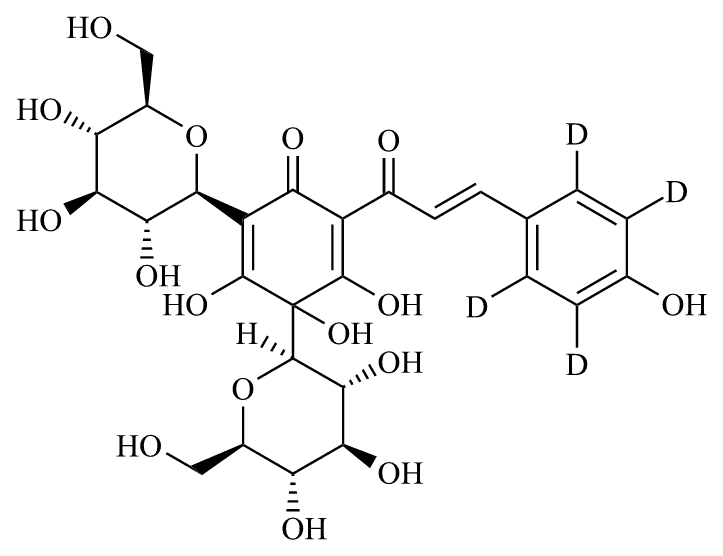
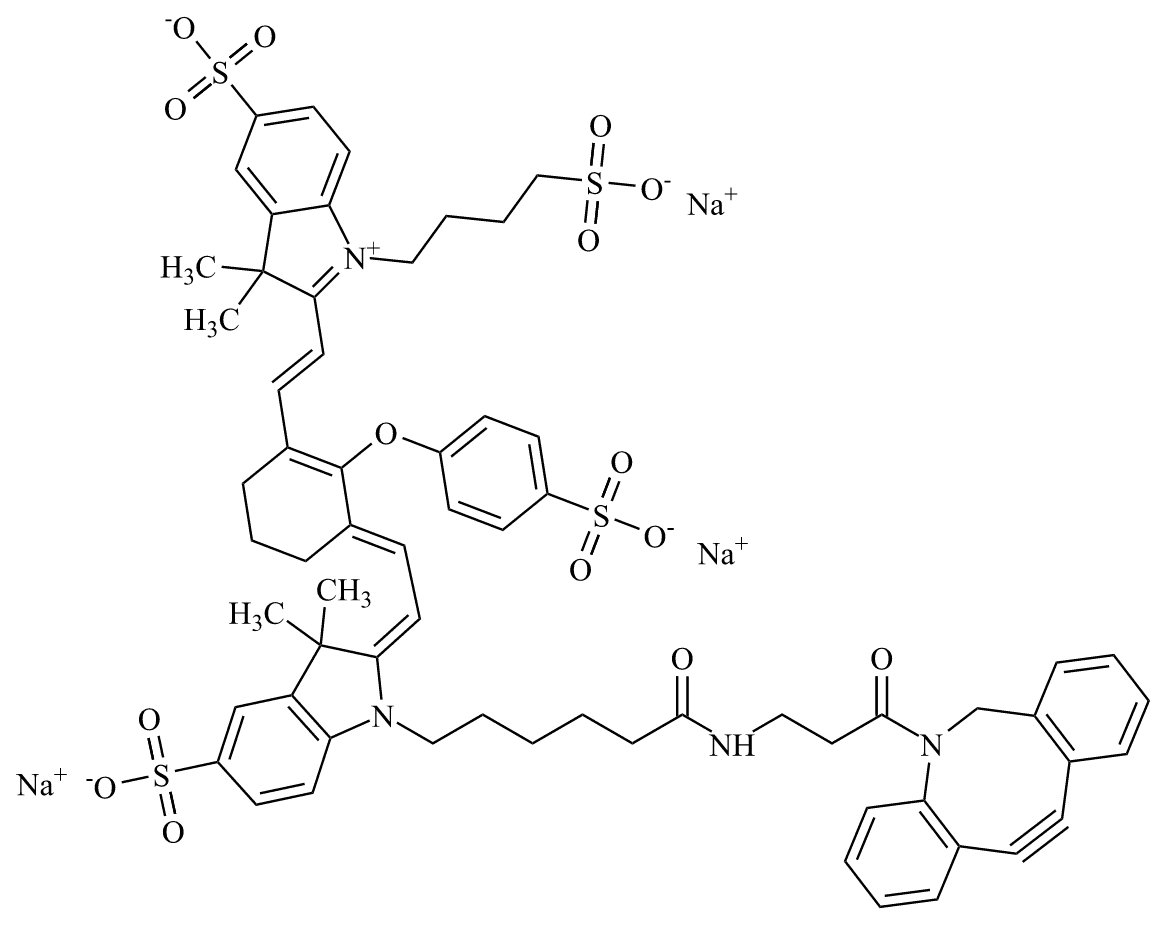
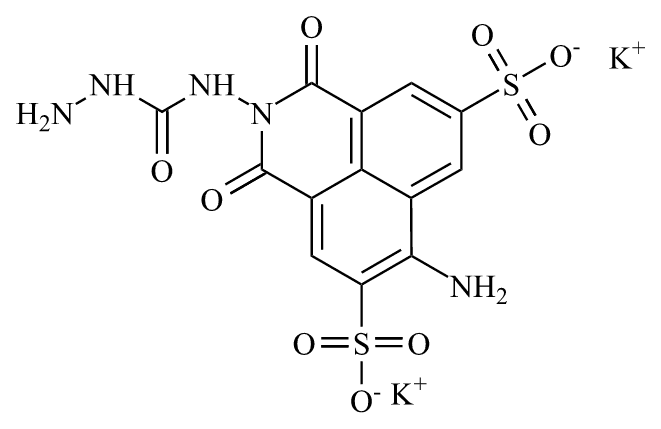
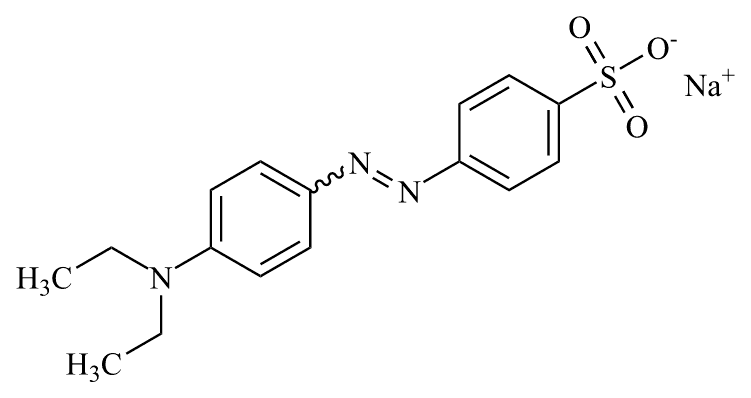
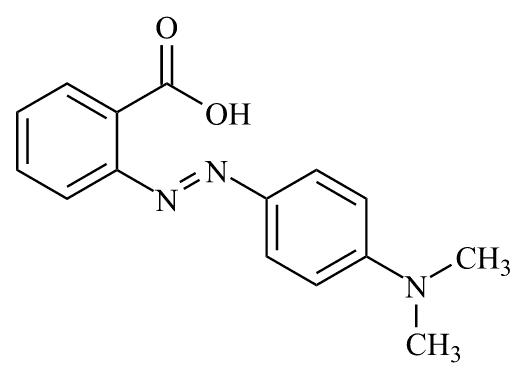
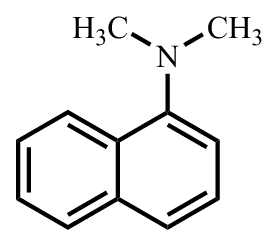
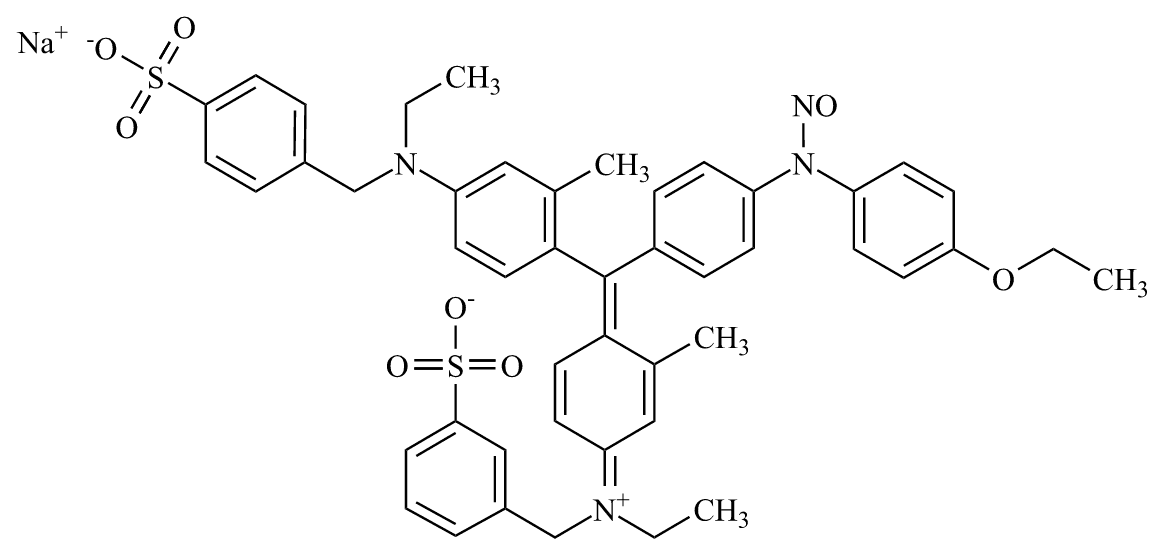
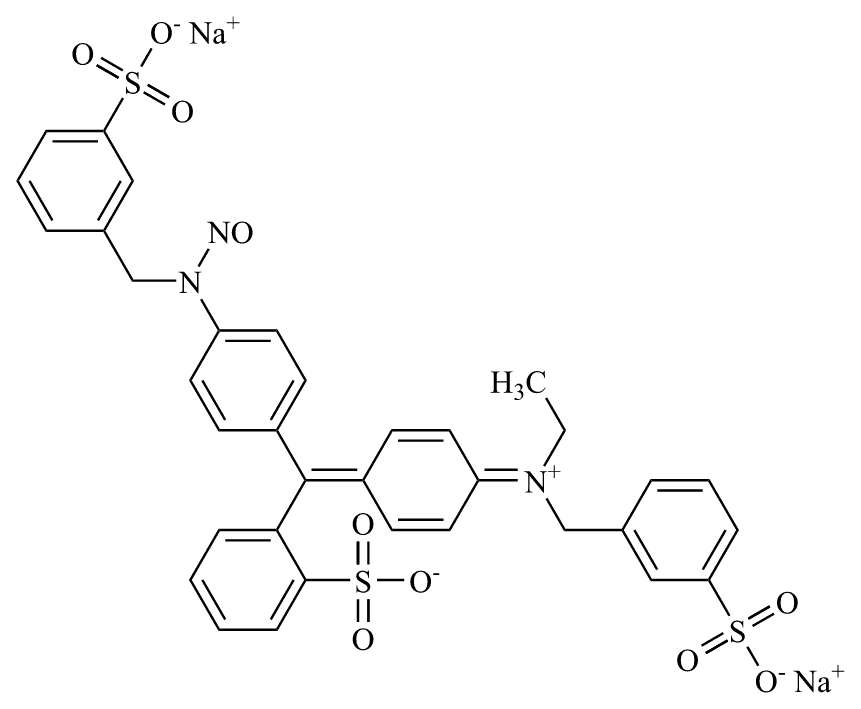
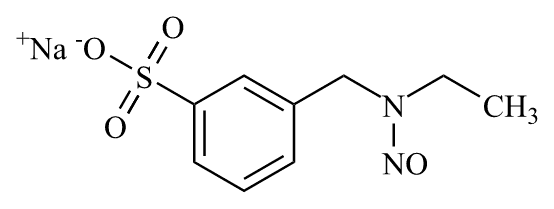
DYES are a class of synthetic organic compounds, including azo dyes and pigments, that serve as essential colorants in food, textile, and pharmaceutical applications. To ensure the safety, purity, and regulatory compliance of these substances, pharmaceutical laboratories rely on highly characterized reference standards for analytical testing and method validation. The product list includes related impurities and metabolites, which are critical for comprehensive impurity profiling and degradation pathway studies during quality control workflows. Furthermore, laboratories utilize stable isotope labelled compounds as internal standards in mass spectrometry-based analyses. Because these labelled versions mimic the chemical behavior of the target analyte while offering a distinct mass, they significantly improve the precision and accuracy of quantitative measurements by compensating for matrix effects during complex sample analysis. These specialized materials support adherence to global regulatory frameworks, ensuring consistent performance in both industrial and research environments.

