India +91 94223 00020abhay@splendidlab.comISO 17034:2016 · GLP certified
Ebastine is a second-generation H1 antihistamine used primarily to treat allergic rhinitis and urticaria, functioning by selectively blocking histamine receptors while effectively limiting blood-brain… Read more
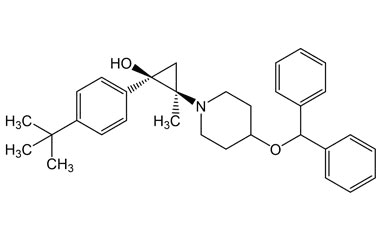
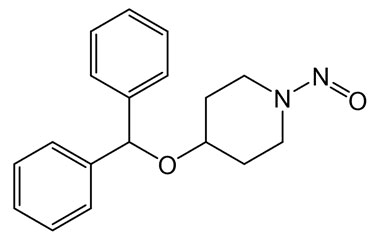
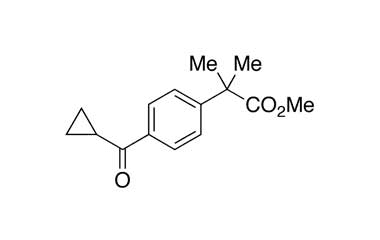

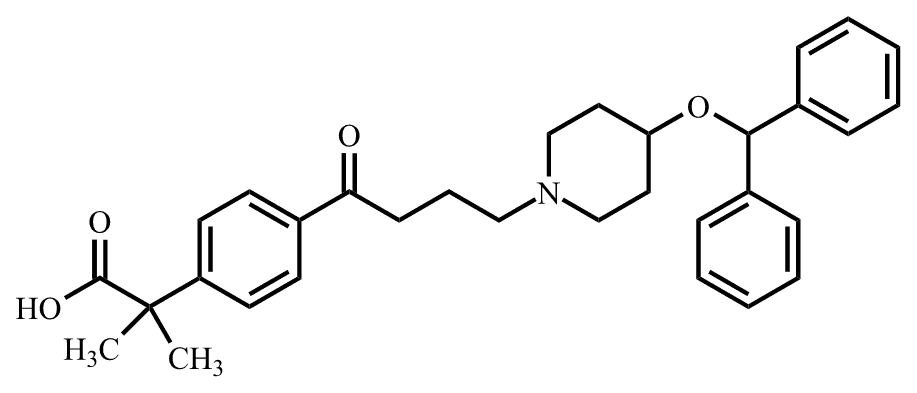
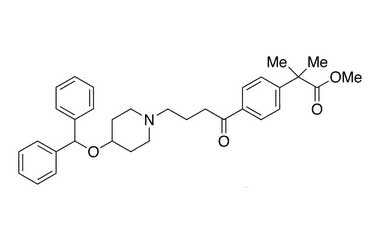

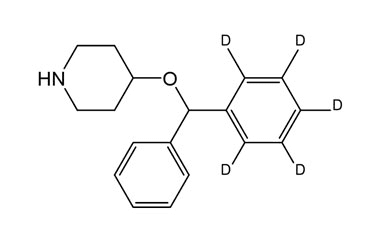
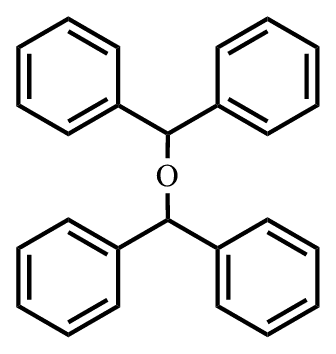


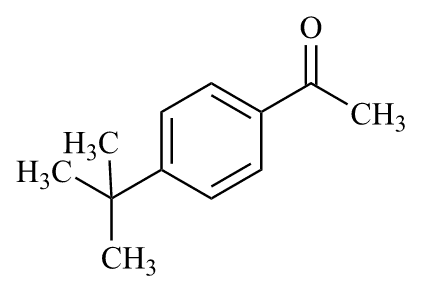
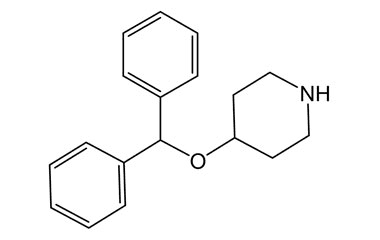
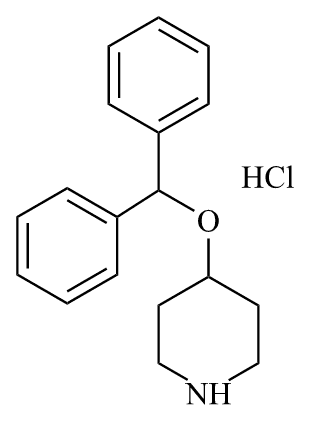
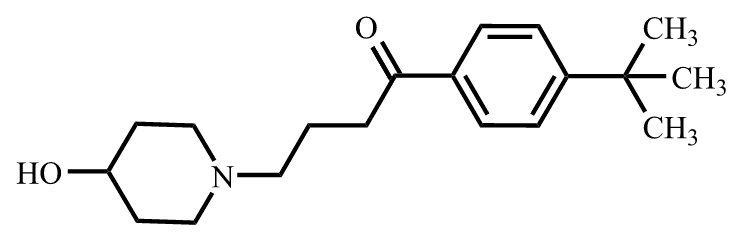
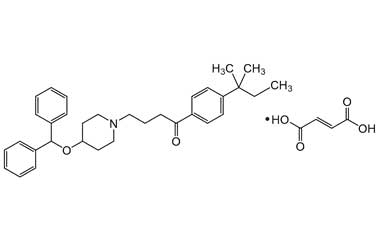
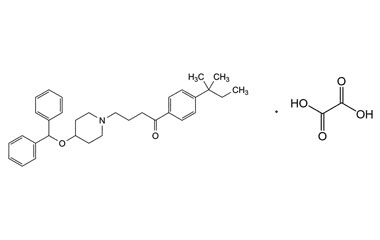
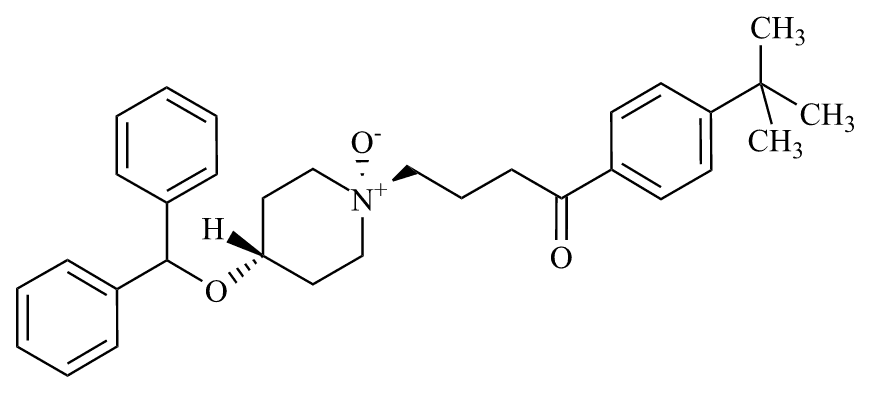
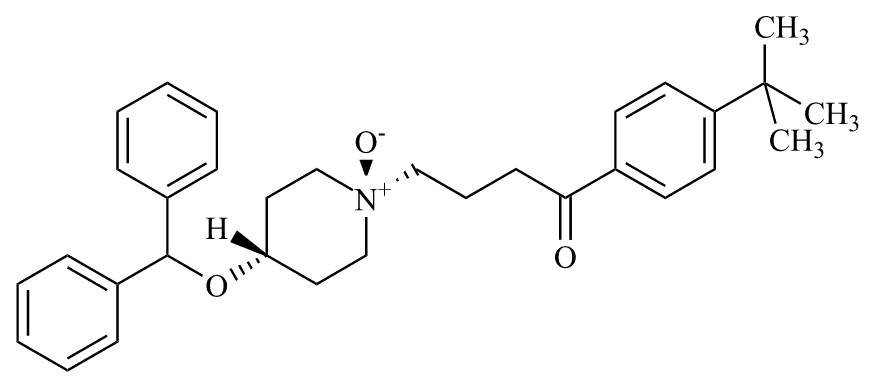


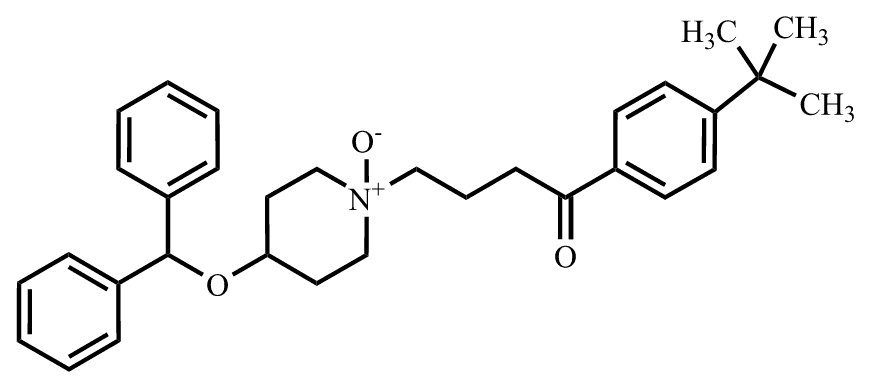


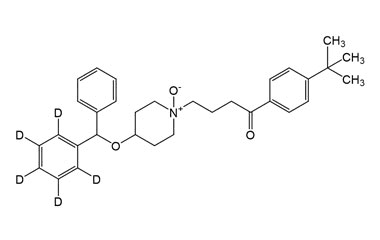
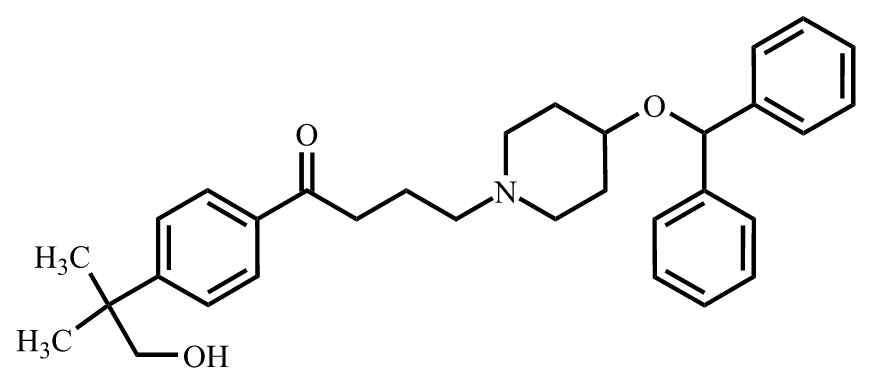
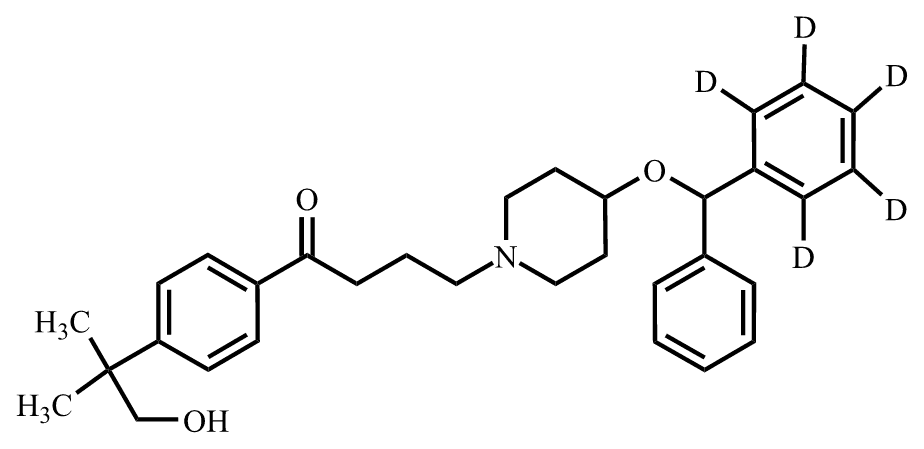
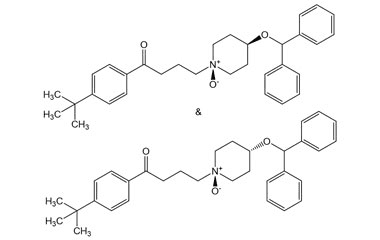
Ebastine is a second-generation H1 antihistamine used primarily to treat allergic rhinitis and urticaria, functioning by selectively blocking histamine receptors while effectively limiting blood-brain barrier penetration to minimize sedative effects. Our collection provides essential reference standards, including the active pharmaceutical ingredient, to support rigorous quality control and pharmaceutical research. Laboratories utilize these materials for comprehensive impurity profiling, which includes identifying and quantifying degradation products such as N-oxides and hydroxy derivatives formed through pathways like oxidation and hydrolysis. This category also features stable isotope labelled compounds, which act as internal standards to enhance accuracy in mass spectrometry and quantitative chromatographic analysis. By providing access to pharmacopeial and non-pharmacopeial impurities, these reference materials facilitate the development and validation of analytical methods, ensuring compliance with strict regulatory standards for drug purity, safety, and stability during long-term studies.

