India +91 94223 00020abhay@splendidlab.comISO 17034:2016 · GLP certified
Edetic acid, also widely known as EDTA, is a chelating agent belonging to the aminopolycarboxylic acid class that is primarily utilized in pharmaceutical manufacturing to sequester metal ions and stabilize… Read more
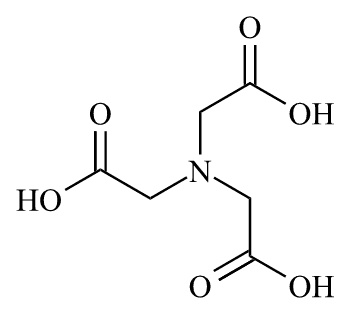
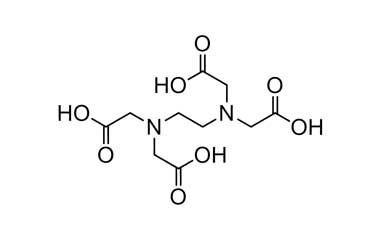
Edetic acid, also widely known as EDTA, is a chelating agent belonging to the aminopolycarboxylic acid class that is primarily utilized in pharmaceutical manufacturing to sequester metal ions and stabilize complex formulations. By effectively binding divalent cations like calcium and magnesium, it prevents the oxidation and degradation of active ingredients within drug products. Laboratories require high-quality reference standards of Edetic Acid, including its disodium and potassium salts, to support critical analytical testing and method validation procedures. The inclusion of pharmacopeial and non-pharmacopeial impurities, such as nitrilotriacetic acid, allows for precise impurity profiling and ensures adherence to regulatory quality control standards. These well-characterized reference materials are essential for verifying the purity of raw materials and monitoring potential degradation products throughout the lifecycle of pharmaceutical development and manufacturing.