India +91 94223 00020abhay@splendidlab.comISO 17034:2016 · GLP certified
Emtricitabine is a nucleoside reverse transcriptase inhibitor (NRTI) and cytidine analog used in the clinical management of HIV-1 infection and hepatitis B virus. Because it functions by inhibiting viral… Read more








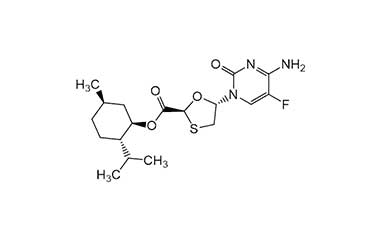














Emtricitabine is a nucleoside reverse transcriptase inhibitor (NRTI) and cytidine analog used in the clinical management of HIV-1 infection and hepatitis B virus. Because it functions by inhibiting viral DNA synthesis, pharmaceutical laboratories must rely on standardized reference materials to ensure the efficacy and safety of the API. This category includes a broad array of related compounds, such as synthetic precursors, degradation products, and specific metabolites like glucuronides and sulfoxides, which are vital for robust method development. Researchers utilize these characterized reference standards and stable isotope labelled compounds for accurate impurity profiling, supporting rigorous quality control and method validation protocols. By incorporating these materials into forced degradation studies and routine testing, laboratories can reliably identify trace-level components, maintain compliance with regulatory standards, and verify the structural integrity of the final drug product across all stages of production.

