India +91 94223 00020abhay@splendidlab.comISO 17034:2016 · GLP certified
Eprosartan is an angiotensin II receptor blocker (ARB) indicated for the management of hypertension, functioning by selectively inhibiting the binding of angiotensin II to the AT1 receptor to promote vasodilation… Read more


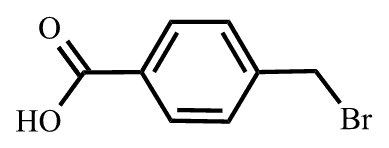



Eprosartan is an angiotensin II receptor blocker (ARB) indicated for the management of hypertension, functioning by selectively inhibiting the binding of angiotensin II to the AT1 receptor to promote vasodilation and lower blood pressure. In pharmaceutical research and development, maintaining rigorous quality standards is essential, which necessitates the use of high-quality reference materials for accurate analysis. This category includes a comprehensive range of Eprosartan-related compounds, such as synthesis-related impurities, potential degradation products, and metabolic forms like acyl glucuronides and hydroxy derivatives. Furthermore, laboratories rely on these materials, alongside stable isotope labelled standards, for critical applications including impurity profiling, the validation of analytical methods, and routine quality control testing. These reference standards provide the necessary support for assessing the purity and stability of drug formulations throughout the lifecycle of the medication.

