India +91 94223 00020abhay@splendidlab.comISO 17034:2016 · GLP certified
Ethanol is a broad-spectrum bactericidal agent classified as an alcohol, primarily utilized as a topical disinfectant and antiseptic that acts by denaturing microbial proteins and dissolving lipid membranes.… Read more
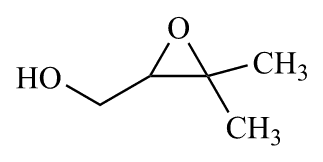
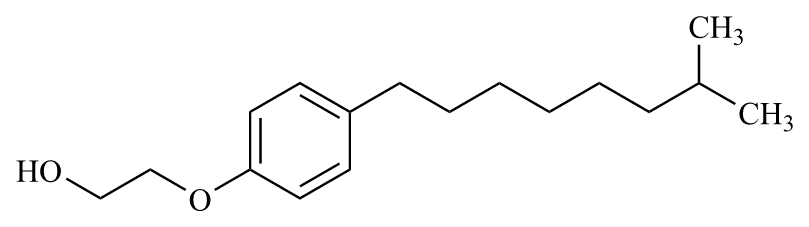

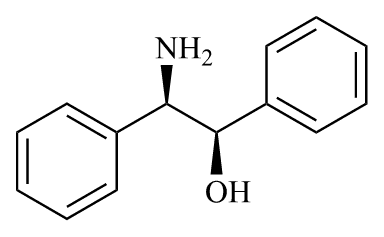
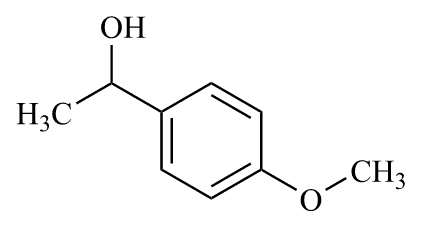
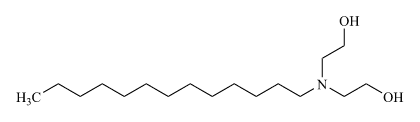
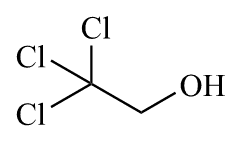





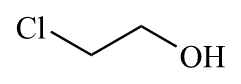
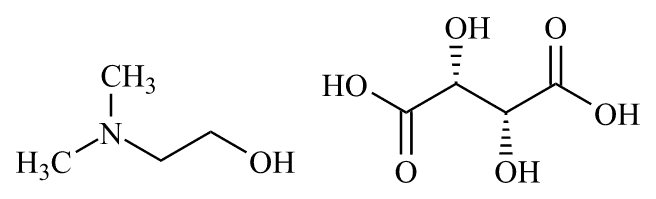
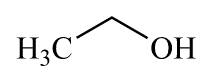

Ethanol is a broad-spectrum bactericidal agent classified as an alcohol, primarily utilized as a topical disinfectant and antiseptic that acts by denaturing microbial proteins and dissolving lipid membranes. In the context of pharmaceutical manufacturing and research, laboratories require precise materials to support analytical testing, method validation, and quality control. This category contains a range of critical materials, including pharmacopeial and non-pharmacopeial impurities, metabolites, and stable isotope labelled compounds. These reference standards are essential for performing accurate impurity profiling and ensuring the safety and efficacy of drug formulations. By utilizing these characterized substances, analysts can maintain consistent compliance with regulatory requirements throughout the development lifecycle, from initial research and stability testing to the final release of pharmaceutical products.

