India +91 94223 00020abhay@splendidlab.comISO 17034:2016 · GLP certified
Ethylene glycol is an industrial chemical often used as a solvent or excipient in pharmaceutical formulations, where its purity is strictly regulated to prevent toxicity. Because it and its related compounds—such… Read more
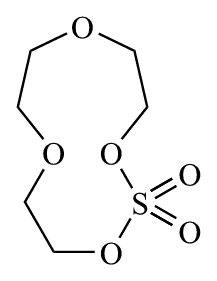
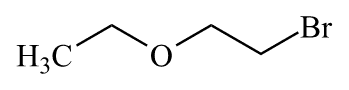

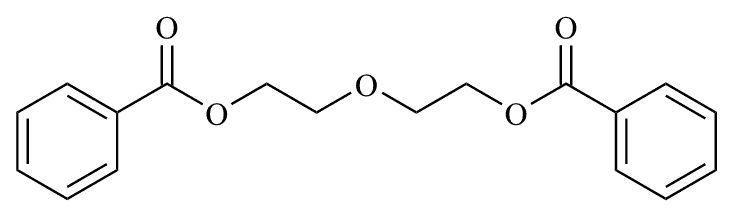


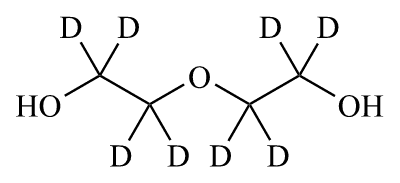


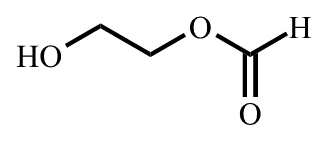




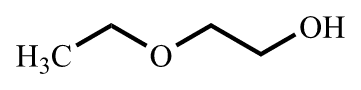


Ethylene glycol is an industrial chemical often used as a solvent or excipient in pharmaceutical formulations, where its purity is strictly regulated to prevent toxicity. Because it and its related compounds—such as diethylene glycol—are known toxic contaminants, pharmaceutical laboratories require precise reference standards to ensure product safety. This category provides essential reference standards, including stable isotope labelled compounds and structural analogues like various polyethylene glycols and glycol ethers, for rigorous analytical testing and quality control. These materials are critical for impurity profiling and method validation, helping laboratories meet pharmacopeial requirements and detect potential contamination in raw materials and finished liquid products. By utilizing these high-quality standards, analytical chemists can accurately monitor for residual levels of these substances, supporting the maintenance of stringent quality assurance standards across the pharmaceutical supply chain and ensuring patient safety in the production of medicinal solutions and syrups.

