India +91 94223 00020abhay@splendidlab.comISO 17034:2016 · GLP certified
Fexofenadine is a second-generation, non-sedating antihistamine that functions as a selective peripheral H1-receptor antagonist. It is clinically indicated for the symptomatic treatment of seasonal allergic… Read more


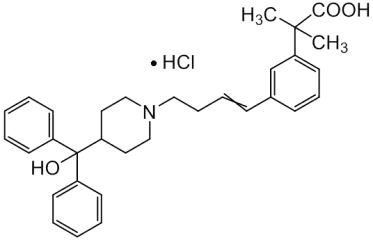
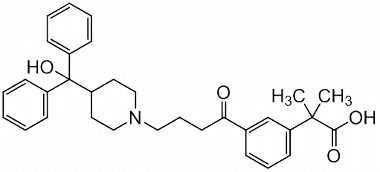


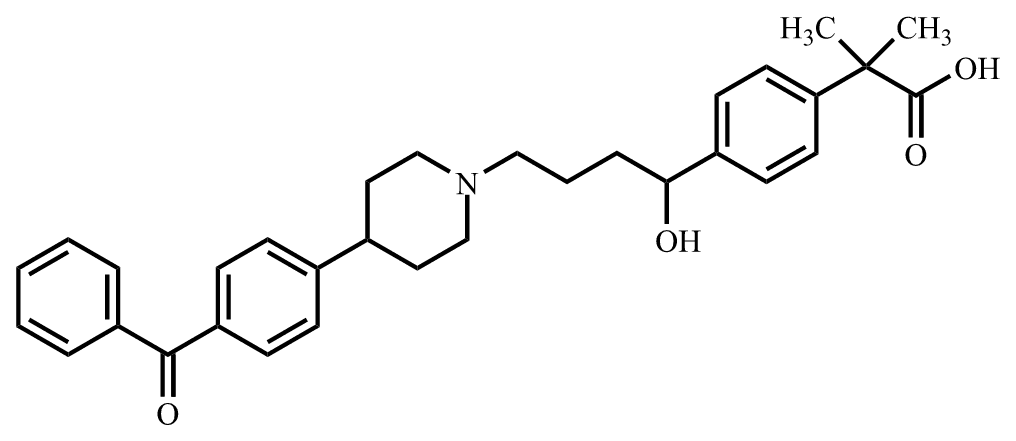
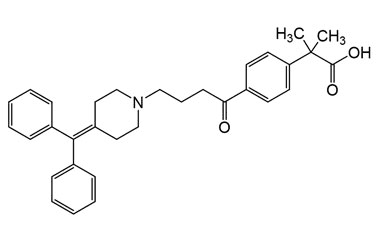
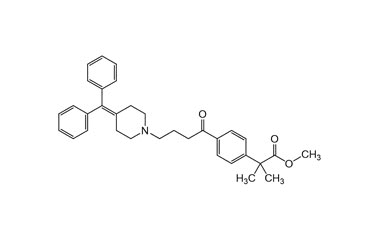
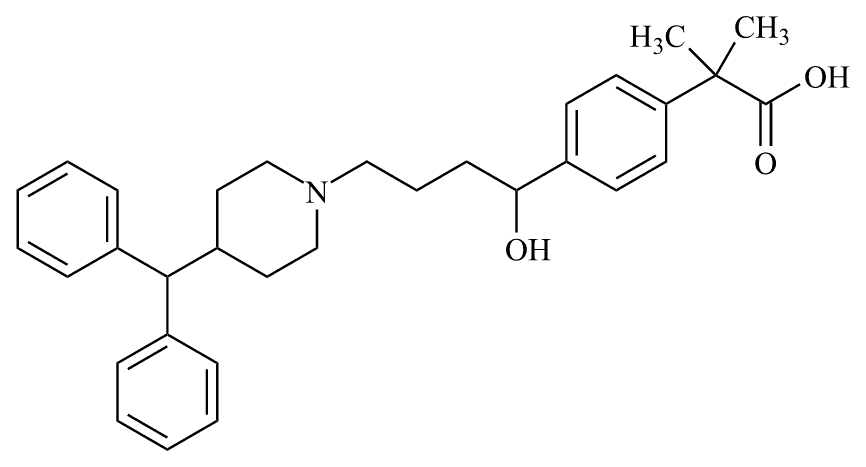
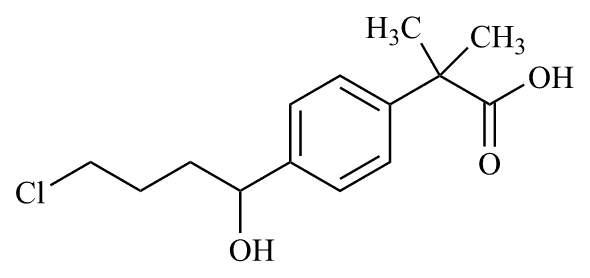


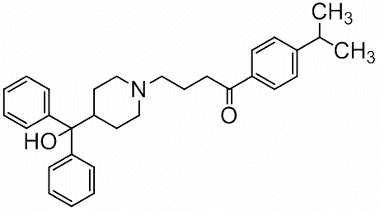
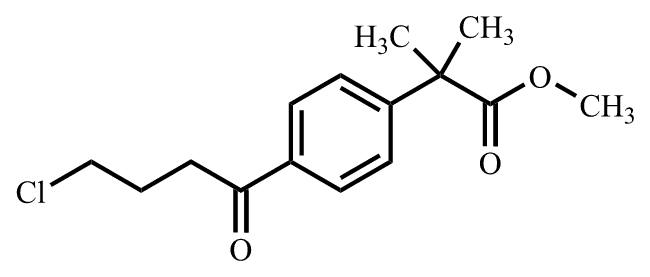

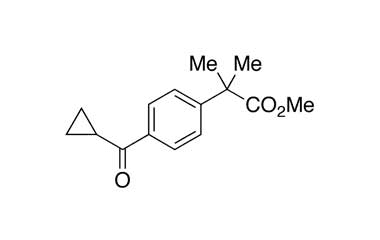


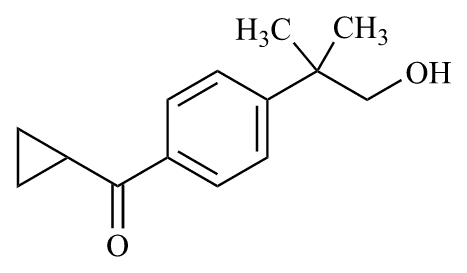


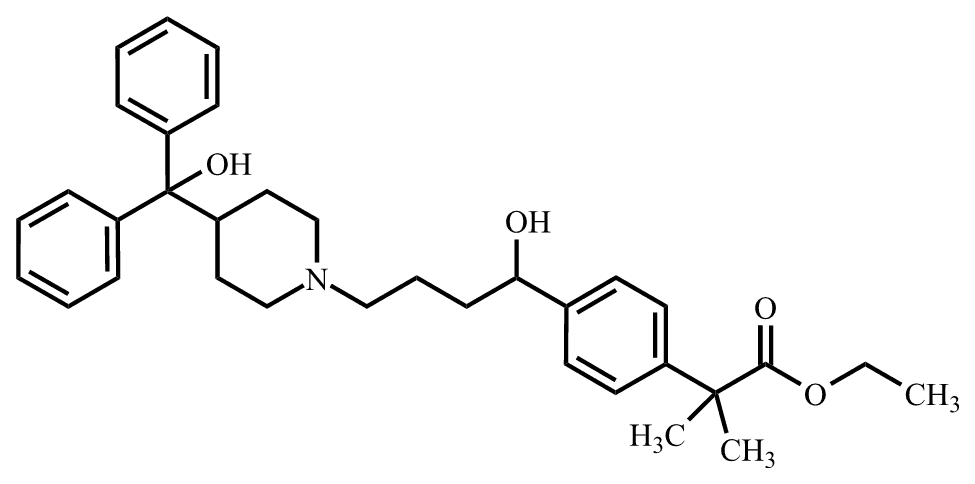


Fexofenadine is a second-generation, non-sedating antihistamine that functions as a selective peripheral H1-receptor antagonist. It is clinically indicated for the symptomatic treatment of seasonal allergic rhinitis and chronic idiopathic urticaria, providing relief from symptoms such as sneezing, runny nose, and itching without significant sedative effects. This category includes high-quality reference standards, including pharmacopeial and non-pharmacopeial impurities, metabolites, and stable isotope labelled compounds. Pharmaceutical laboratories utilize these materials for essential analytical tasks such as impurity profiling, method validation, and rigorous quality control. By employing these precise standards, analysts can accurately identify, quantify, and track degradation products and process-related impurities throughout the drug lifecycle. These high-purity reference materials support compliance with global regulatory guidelines, ensuring the safety, potency, and consistent quality of fexofenadine formulations during stability studies and routine batch release testing.

