India +91 94223 00020abhay@splendidlab.comISO 17034:2016 · GLP certified
Flecainide is a Class Ic antiarrhythmic agent primarily used to treat serious heart rhythm disorders, including ventricular arrhythmias and various supraventricular tachycardias such as paroxysmal supraventricular… Read more

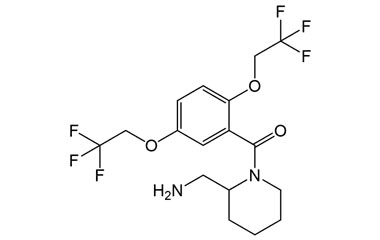
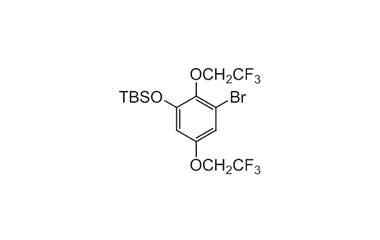
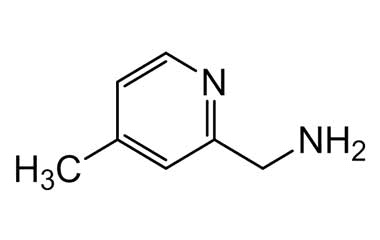
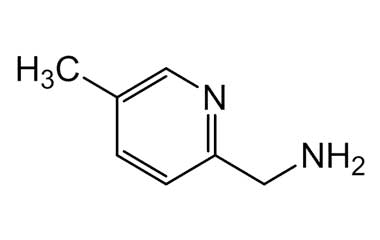
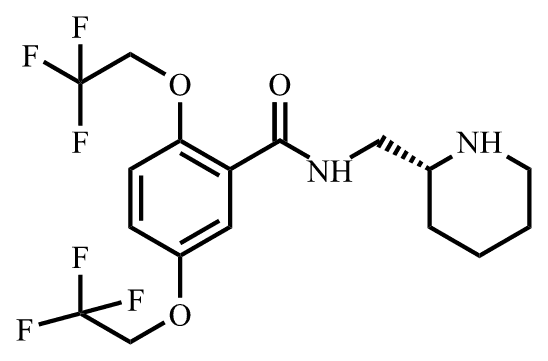
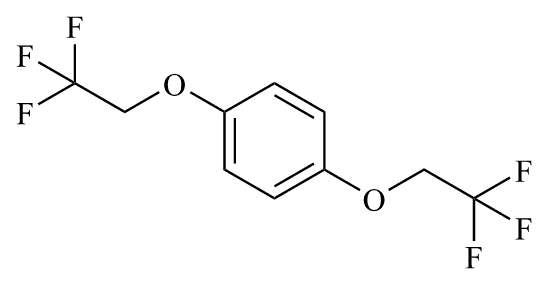
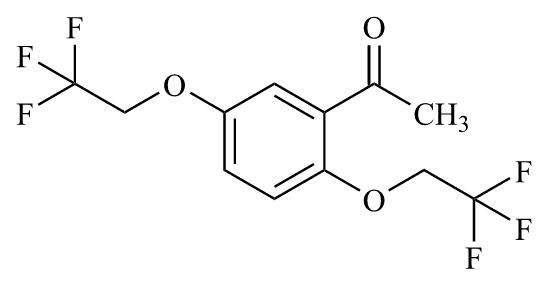
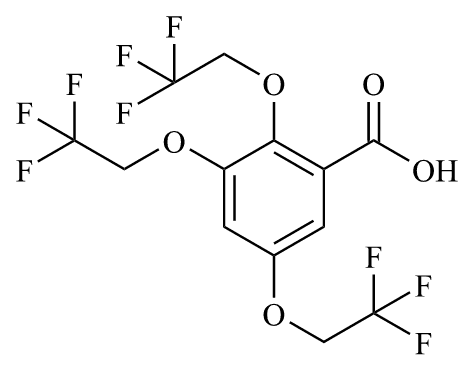
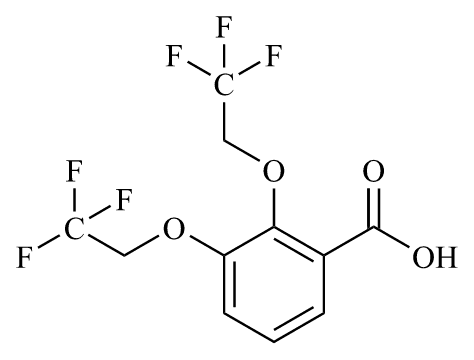
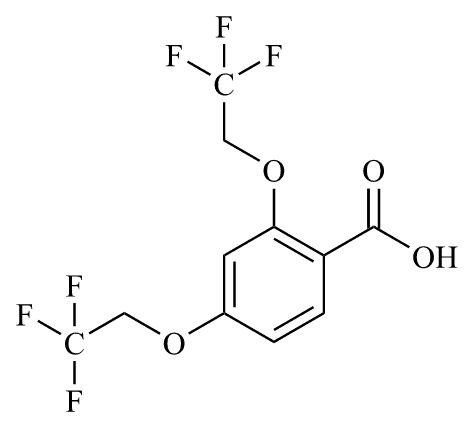
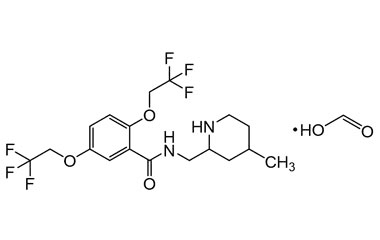
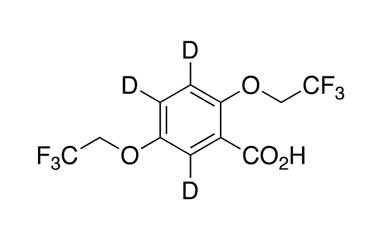
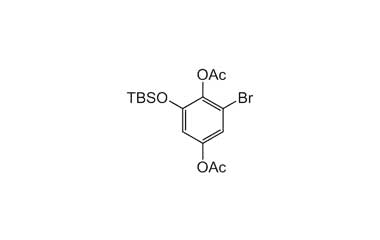
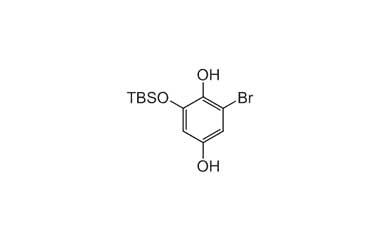
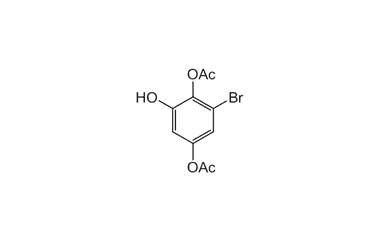
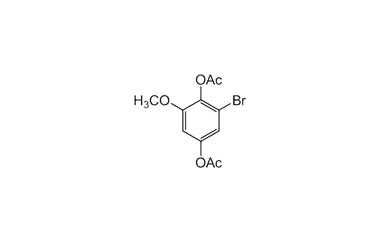
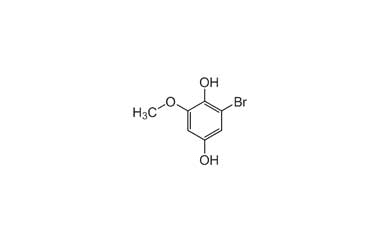
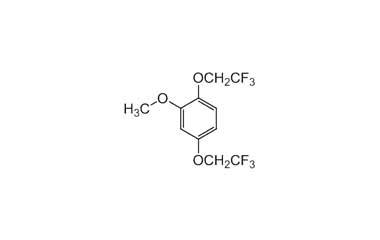
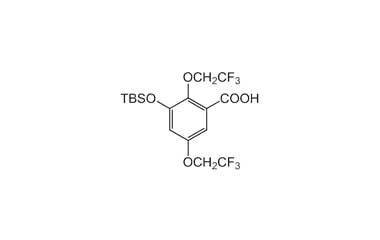
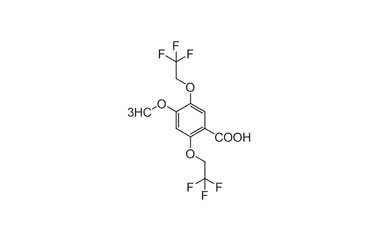
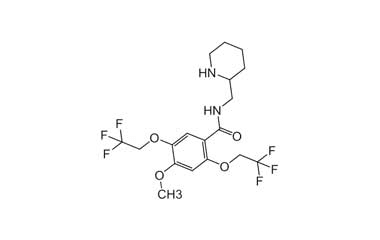
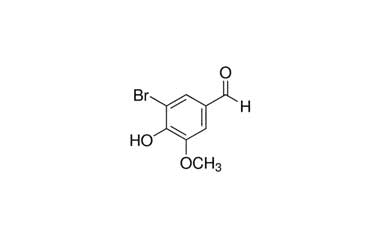
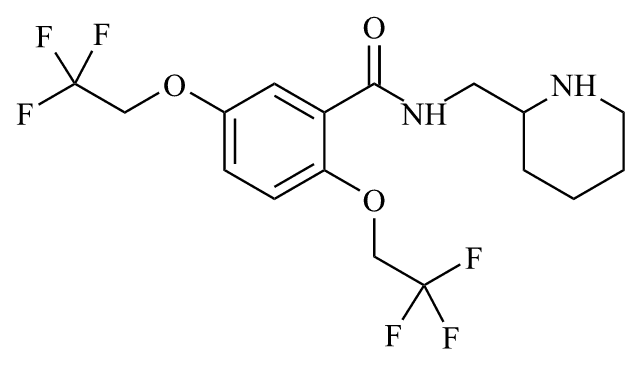
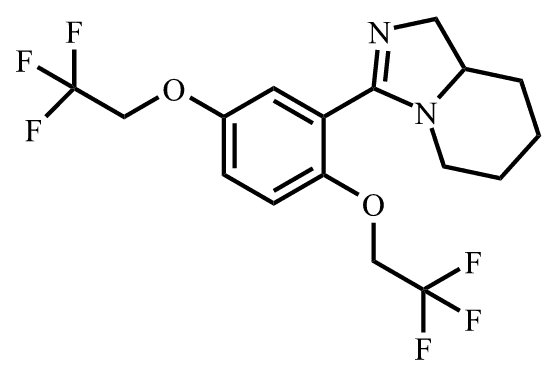
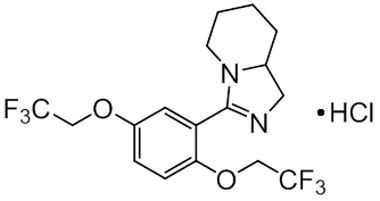
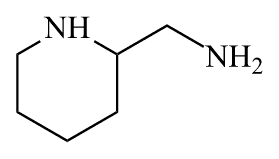
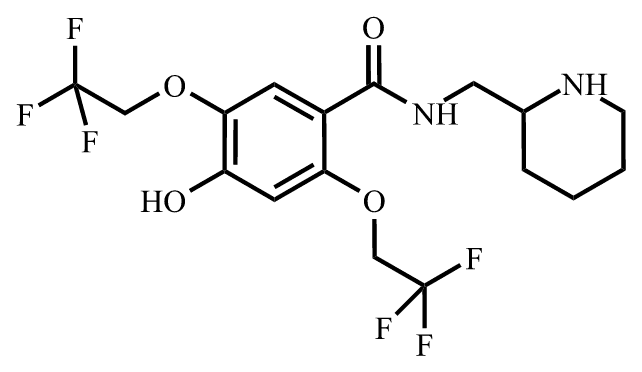
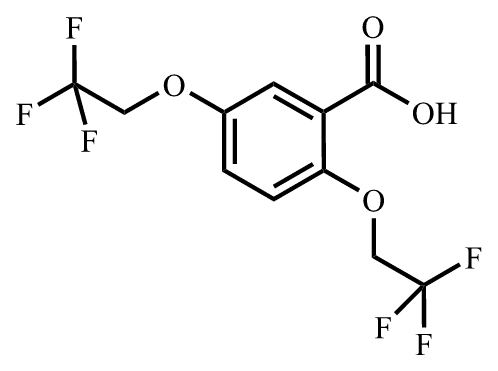
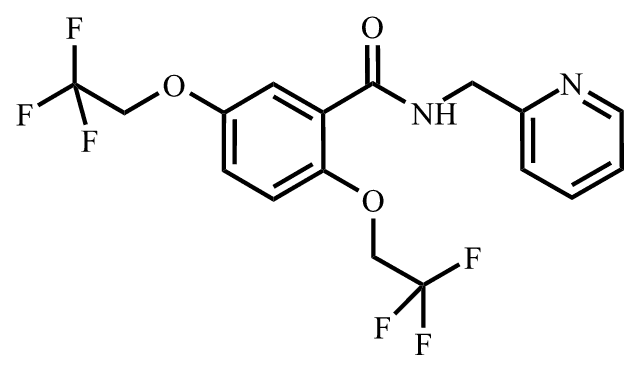


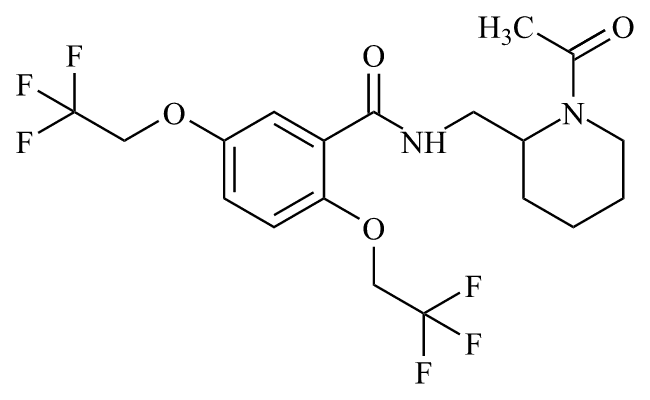
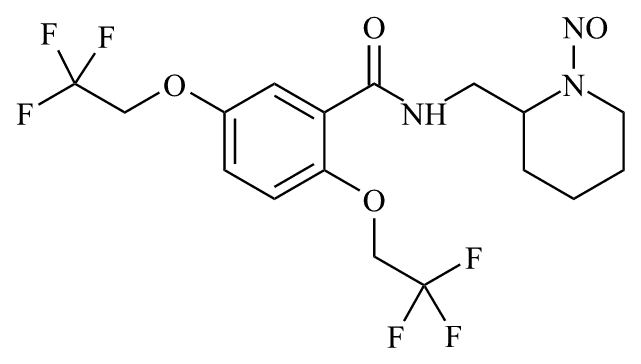
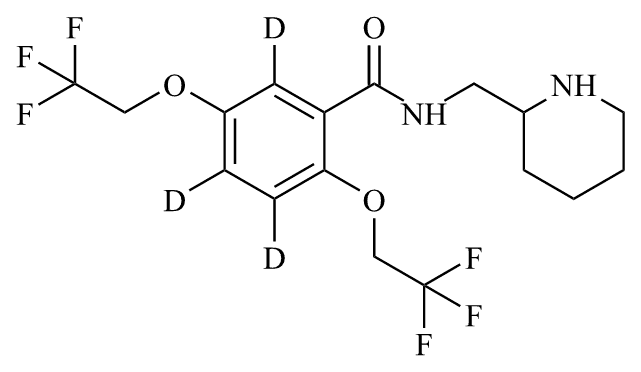
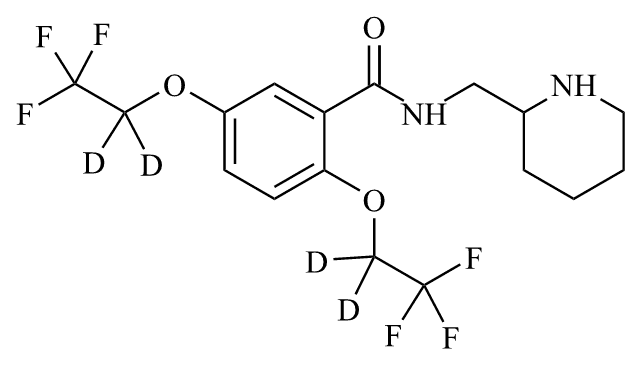

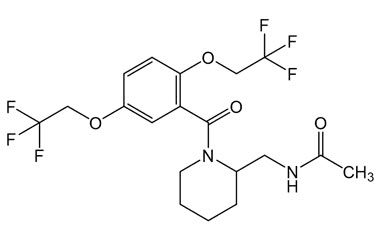
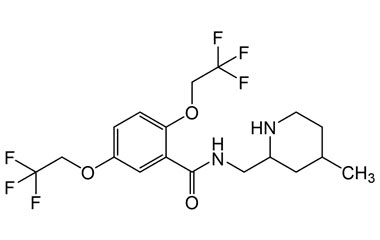
Flecainide is a Class Ic antiarrhythmic agent primarily used to treat serious heart rhythm disorders, including ventricular arrhythmias and various supraventricular tachycardias such as paroxysmal supraventricular tachycardia and Wolff-Parkinson-White syndrome. By blocking cardiac sodium channels, the drug stabilizes electrical conduction within the heart. Pharmaceutical laboratories utilize high-quality reference standards of the Flecainide active ingredient, along with a comprehensive collection of its pharmacopeial and non-pharmacopeial impurities, degradation products, and metabolites, to ensure rigorous quality control. These materials are essential for effective impurity profiling and the development of reliable analytical methods. Furthermore, stable isotope labelled versions of Flecainide and its derivatives are critical for accurate quantification and method validation in mass spectrometry-based analyses. Providing these well-characterized standards supports the maintenance of strict compliance with global analytical requirements throughout the drug development and manufacturing lifecycle.

