India +91 94223 00020abhay@splendidlab.comISO 17034:2016 · GLP certified
Fluconazole is a first-generation triazole antifungal medication that functions by inhibiting the fungal lanosterol 14α-demethylase enzyme, thereby disrupting ergosterol biosynthesis and fungal cell wall… Read more
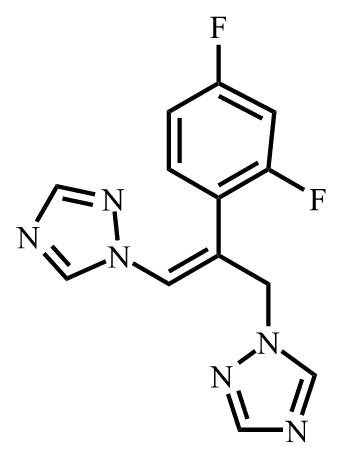
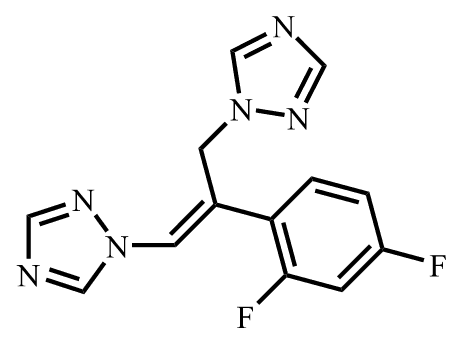
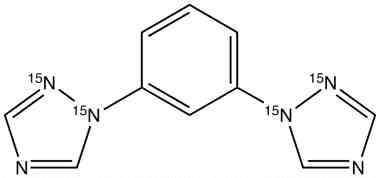
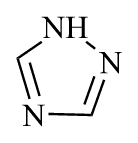
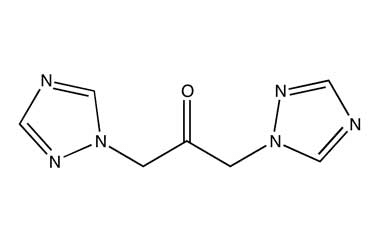
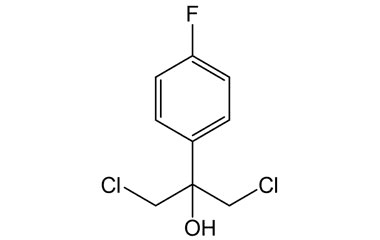
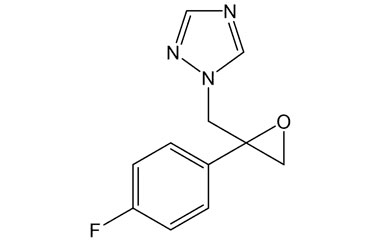
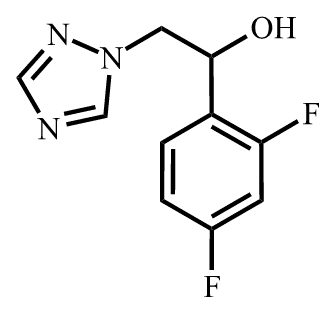
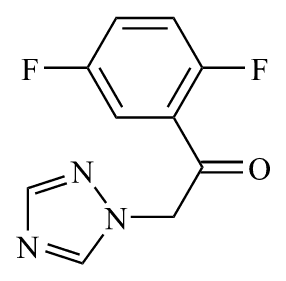
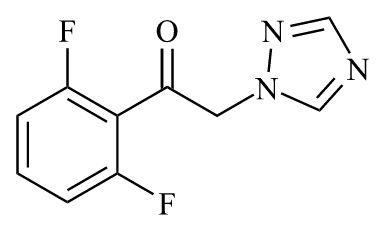
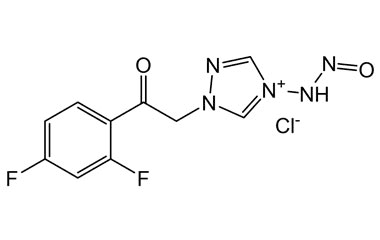
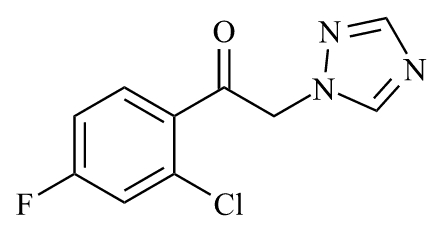

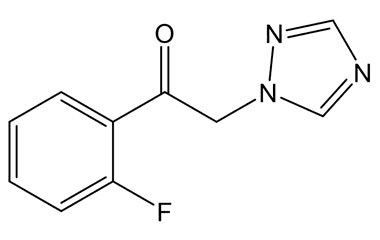
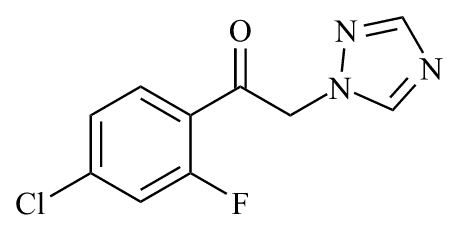
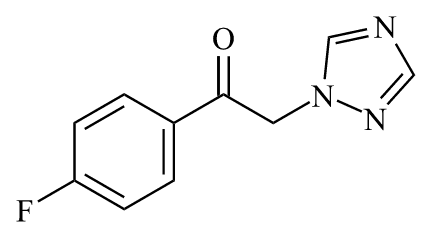
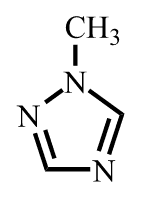
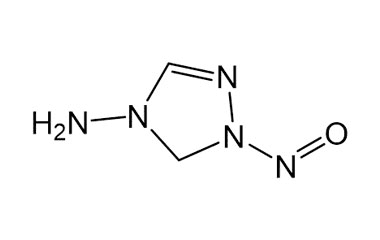
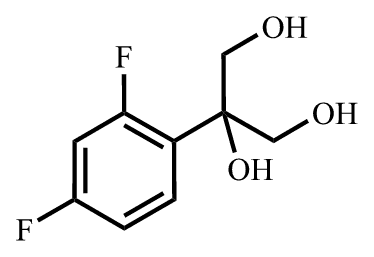

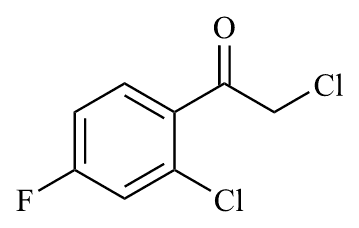
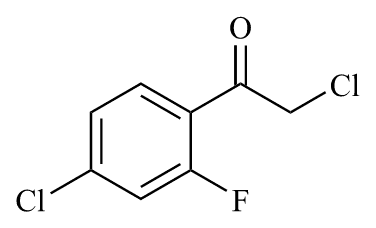
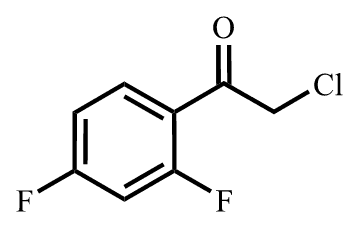
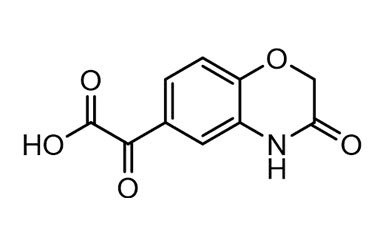
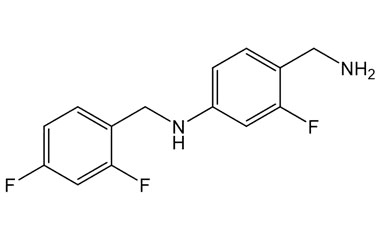
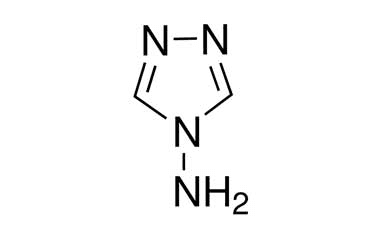
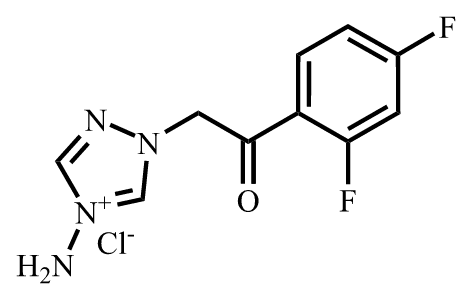
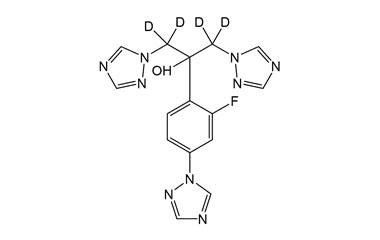
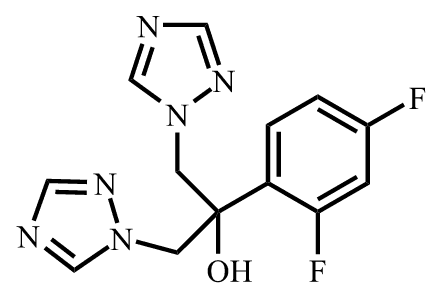


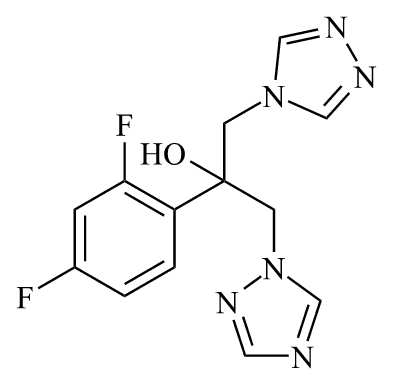
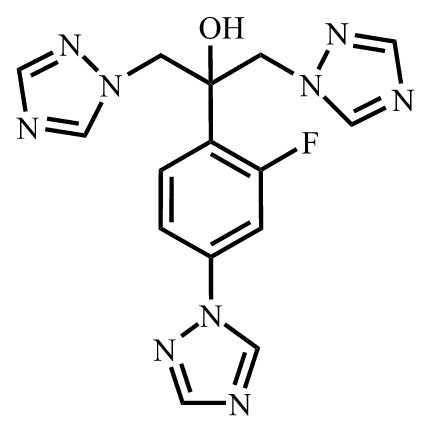
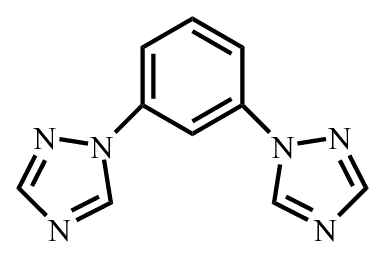
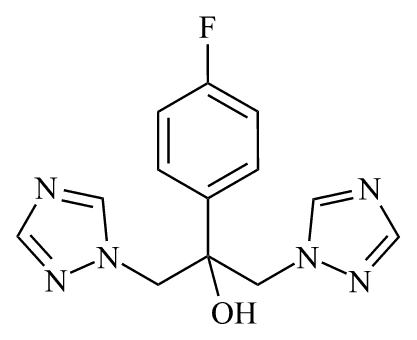
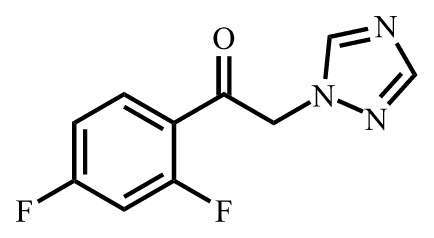
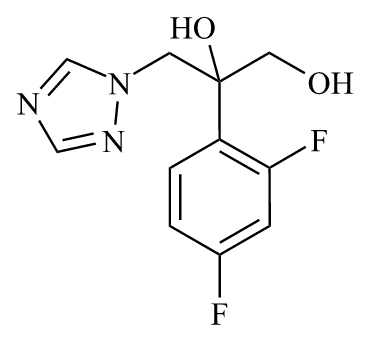
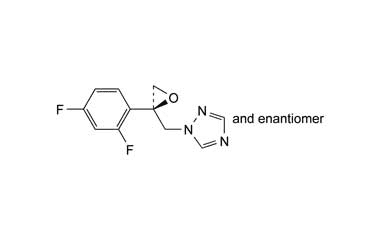
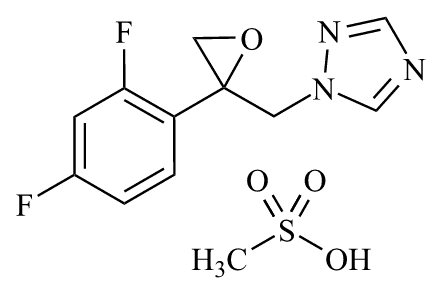
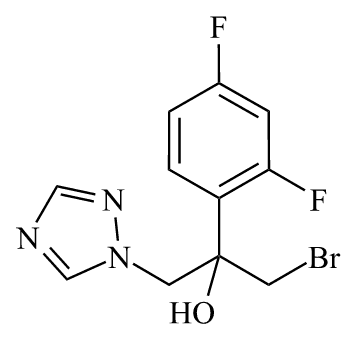
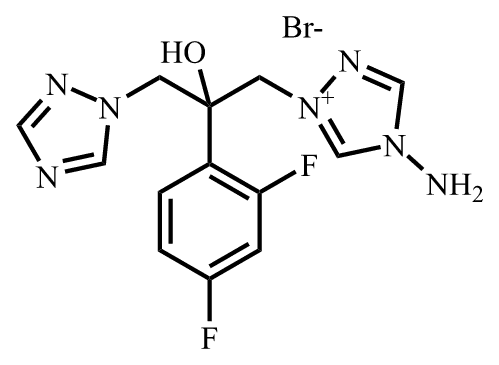


Fluconazole is a first-generation triazole antifungal medication that functions by inhibiting the fungal lanosterol 14α-demethylase enzyme, thereby disrupting ergosterol biosynthesis and fungal cell wall formation. This agent is indicated for the treatment of various systemic and superficial fungal infections, including candidiasis and cryptococcal meningitis. To ensure the safety and efficacy of pharmaceutical formulations, this category provides high-quality reference standards, including pharmacopeial and non-pharmacopeial impurities, degradation products, and stable isotope labelled compounds. Laboratories utilize these materials for comprehensive impurity profiling, analytical method development, and rigorous quality control testing. By employing accurately characterized standards, researchers can effectively identify and quantify impurities, validate analytical procedures, and maintain compliance with global regulatory requirements throughout the drug development and manufacturing lifecycle. The availability of these standards supports reliable analytical performance in the assessment of fluconazole and its related substances.

