India +91 94223 00020abhay@splendidlab.comISO 17034:2016 · GLP certified
Gefitinib is a selective epidermal growth factor receptor (EGFR) tyrosine kinase inhibitor utilized primarily in the treatment of metastatic non-small cell lung cancer (NSCLC) harboring specific gene mutations.… Read more
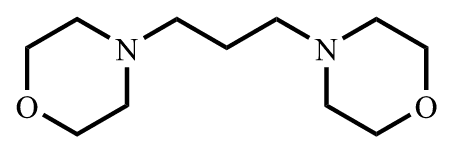

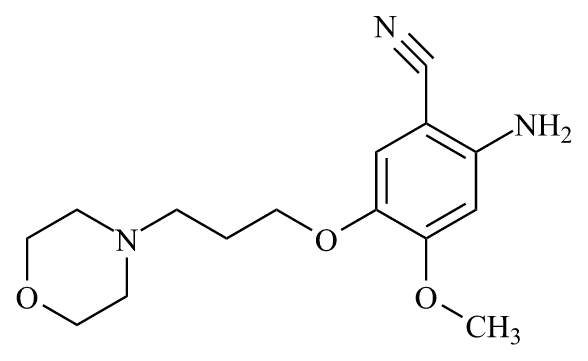

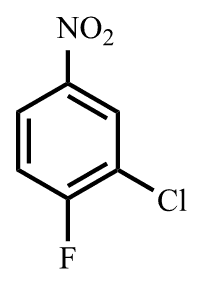
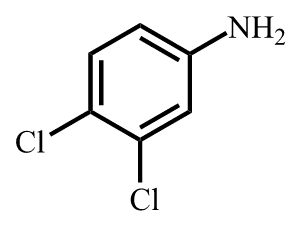
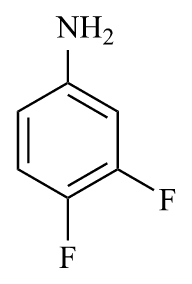
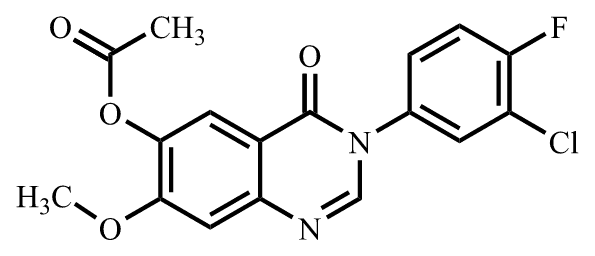
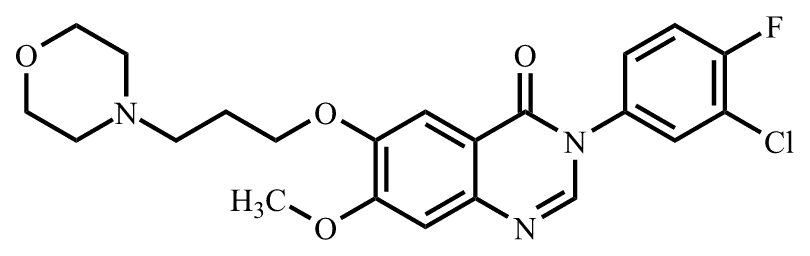
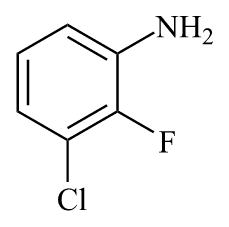
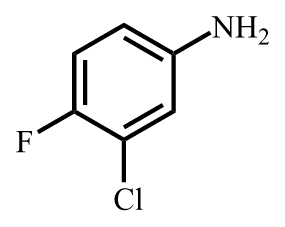

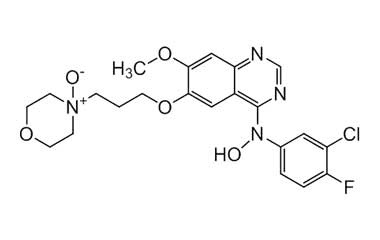
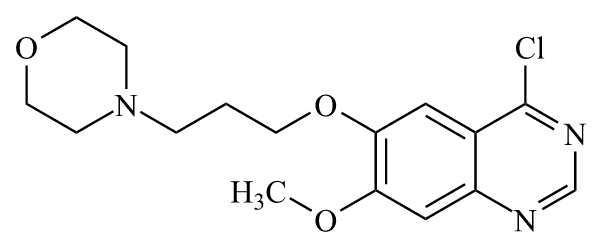
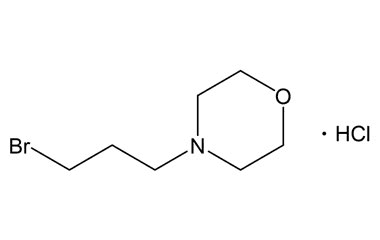
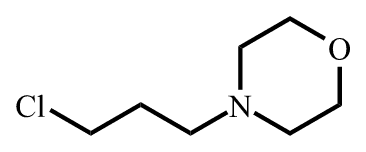
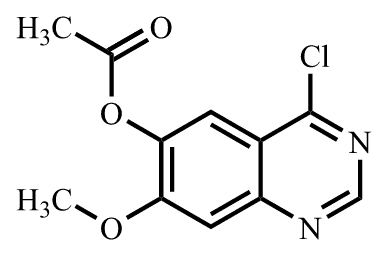
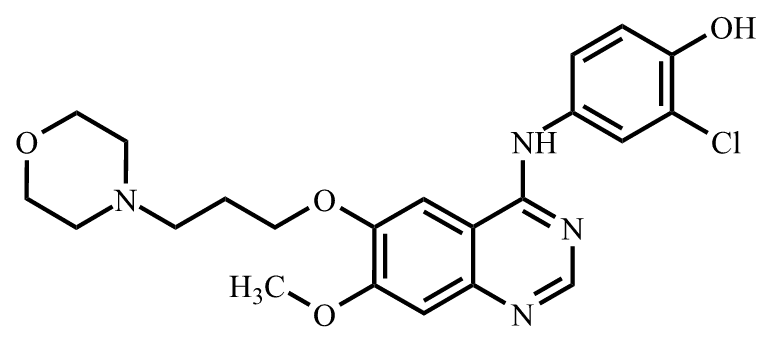
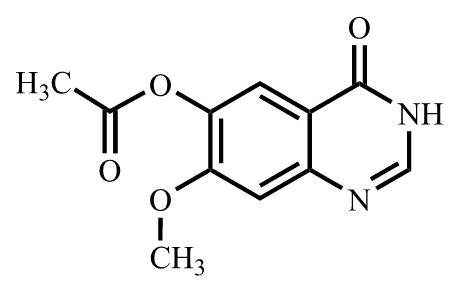
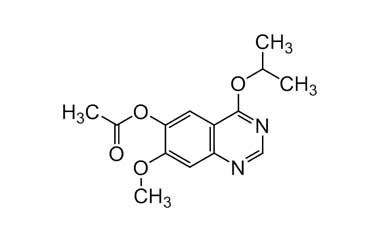
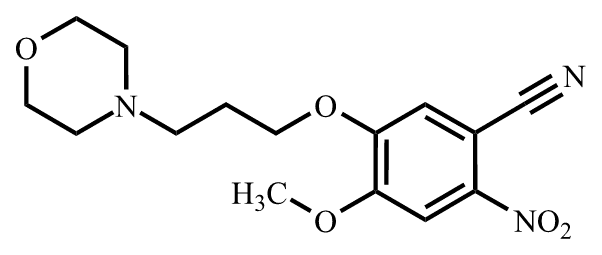
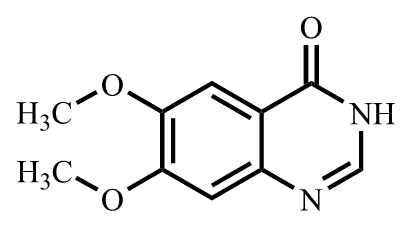
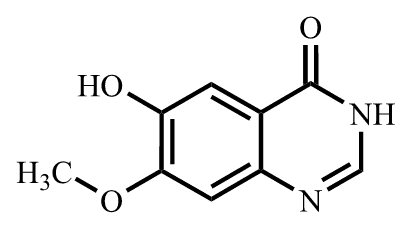

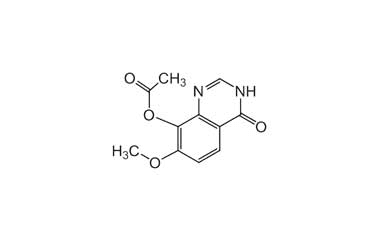
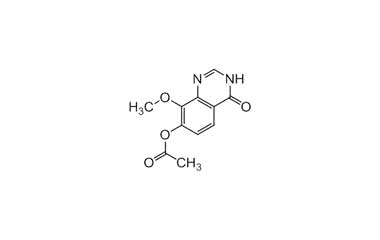
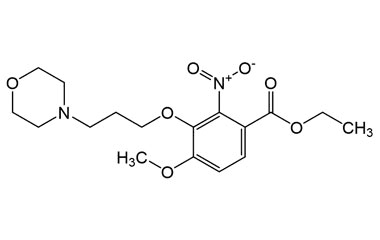
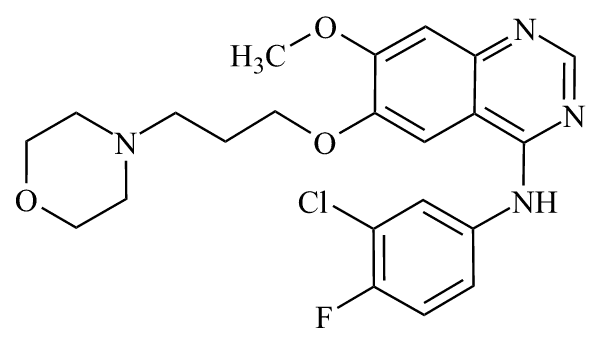


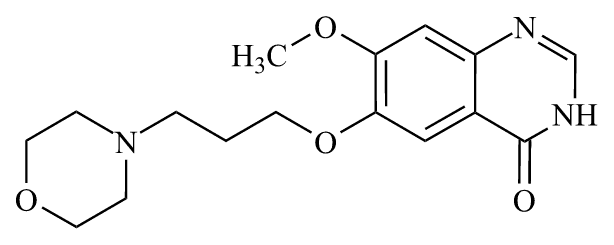
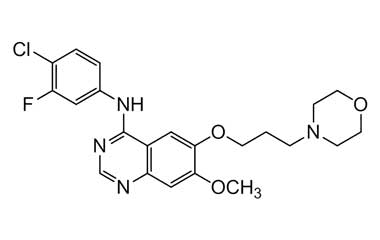
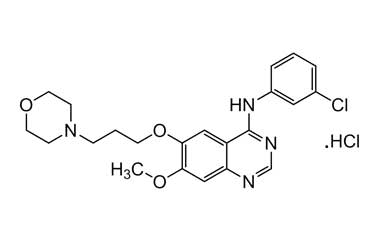


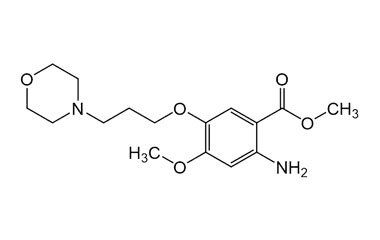
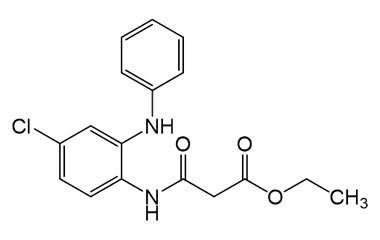
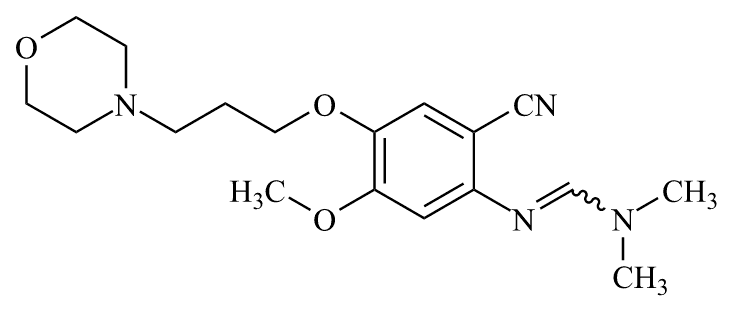

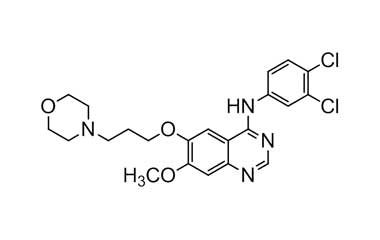
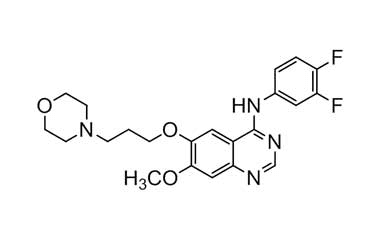
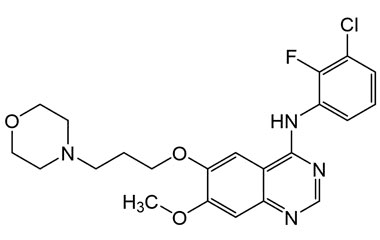

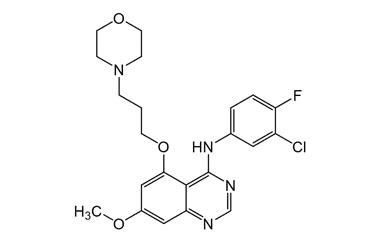
Gefitinib is a selective epidermal growth factor receptor (EGFR) tyrosine kinase inhibitor utilized primarily in the treatment of metastatic non-small cell lung cancer (NSCLC) harboring specific gene mutations. Within pharmaceutical quality control and research, laboratories require a comprehensive range of Gefitinib related compounds, including pharmacopeial and non-pharmacopeial impurities, metabolites, and stable isotope-labelled standards to ensure analytical precision. These materials are essential for rigorous impurity profiling, structural characterization, and the validation of analytical methods such as HPLC and LC-MS. Stable isotope-labelled compounds, in particular, serve as critical internal standards for accurate quantification in complex biological matrices, facilitating robust pharmacokinetic and stability studies. By utilizing these characterized reference standards, analytical scientists can effectively monitor degradation pathways, maintain regulatory compliance, and verify the consistency of the drug substance throughout the entire product lifecycle, supporting the development of safe and effective therapeutic treatments.

