India +91 94223 00020abhay@splendidlab.comISO 17034:2016 · GLP certified
The Glucosinolate category comprises a diverse class of sulfur-containing organic compounds primarily found in cruciferous plants, where they function as key chemical defense mechanisms and precursors… Read more

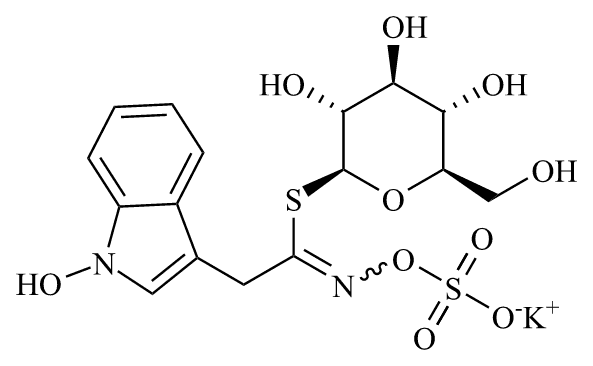
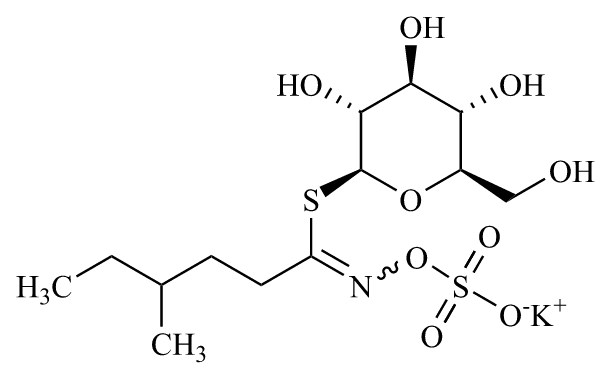
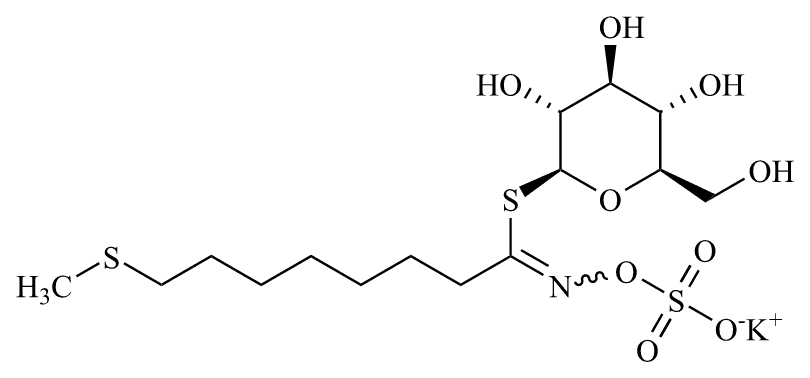
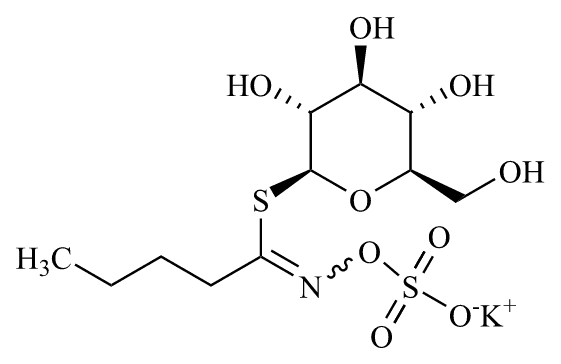
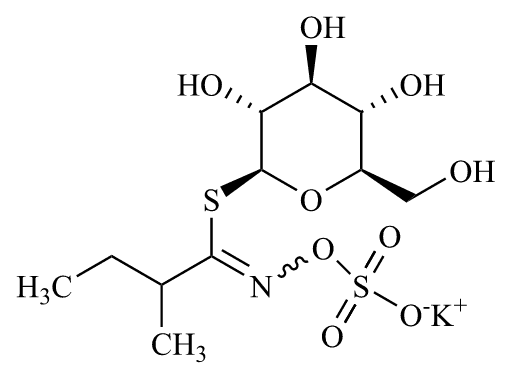
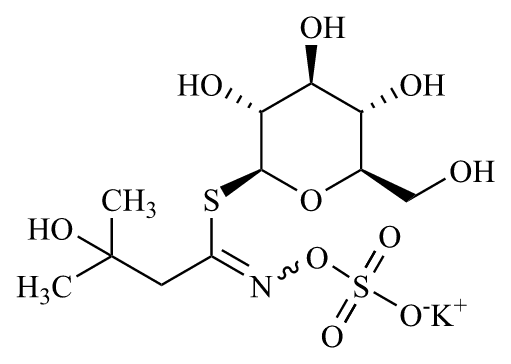
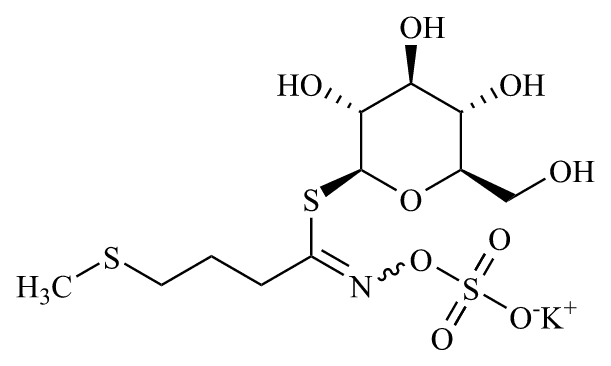
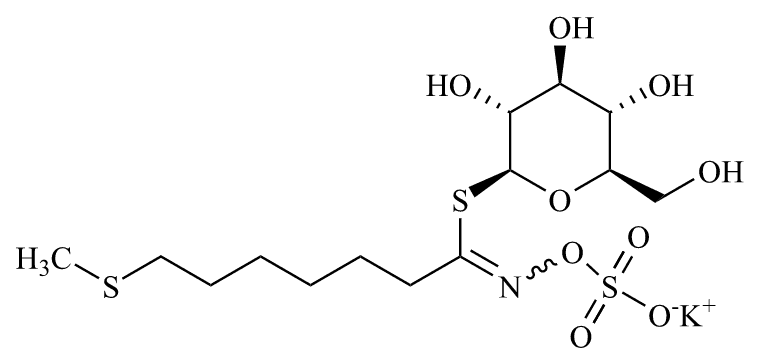
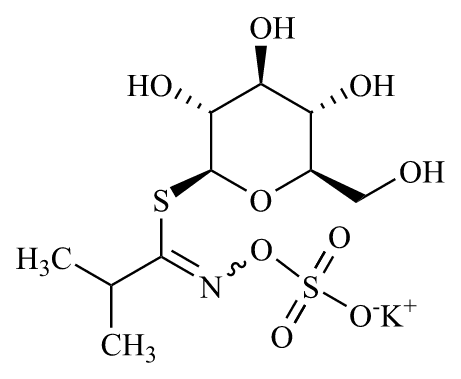
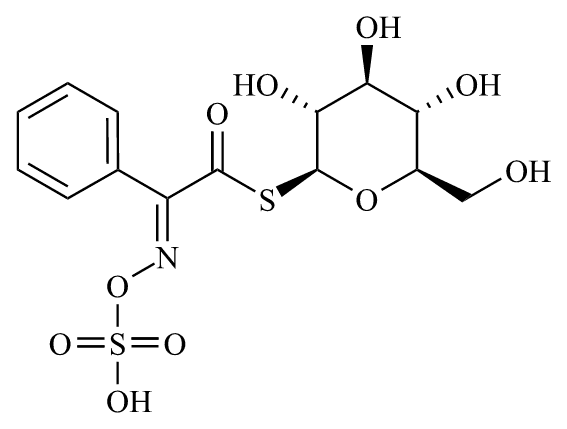
The Glucosinolate category comprises a diverse class of sulfur-containing organic compounds primarily found in cruciferous plants, where they function as key chemical defense mechanisms and precursors to bioactive isothiocyanates. While these substances play significant roles in plant metabolism rather than direct clinical therapy, they are vital components in modern laboratory research and analytical workflows. Scientists and pharmaceutical laboratories utilize these compounds as high-quality reference standards to facilitate complex impurity profiling, metabolite identification, and method validation. The inclusion of various derivatives, alongside stable isotope labelled compounds, supports precise analytical testing and rigorous quality control for formulations containing sulfur-based structures. By providing reliable benchmarks for identification and quantification, these standards are essential for the development and verification of analytical methods used to characterize biochemical profiles in diverse research and development applications.

