India +91 94223 00020abhay@splendidlab.comISO 17034:2016 · GLP certified
Glycopyrrolate is a synthetic quaternary ammonium anticholinergic agent that functions as a muscarinic receptor antagonist, primarily used to inhibit salivary and respiratory secretions and to treat conditions… Read more

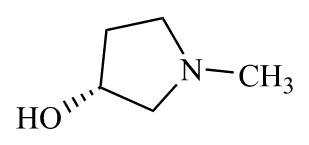

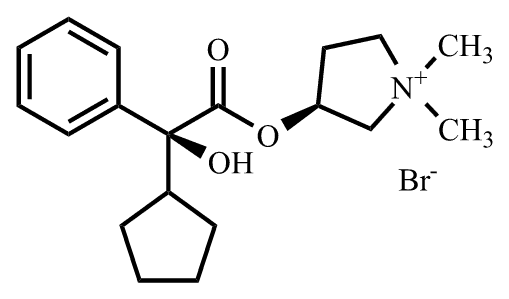
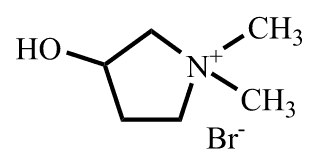
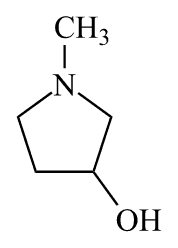
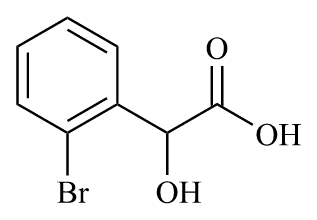
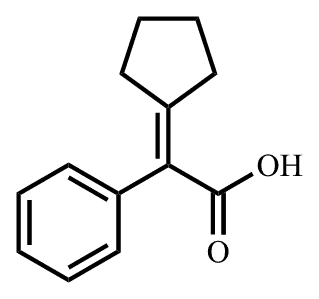
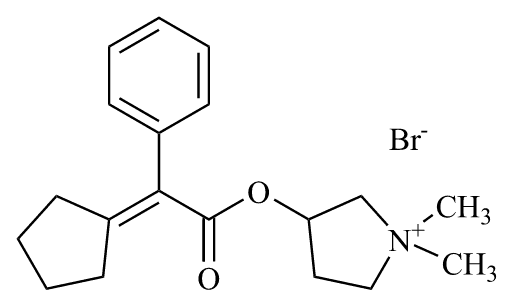
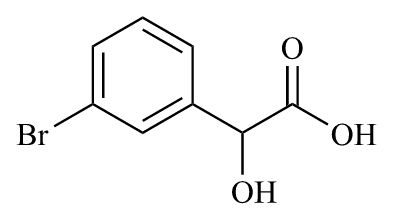
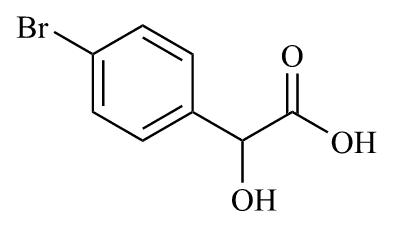

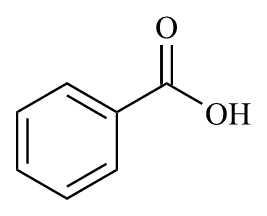
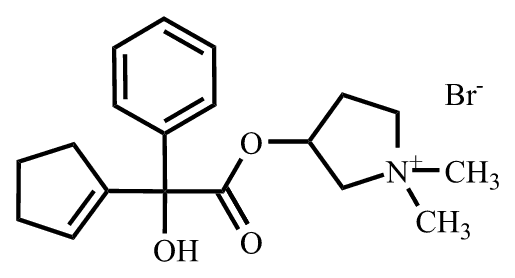
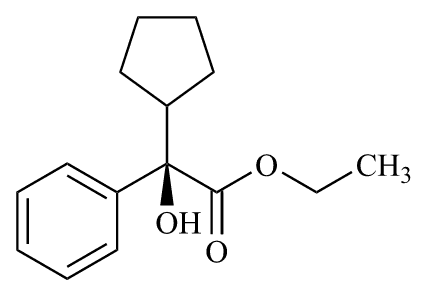
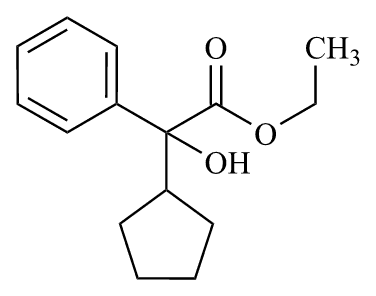


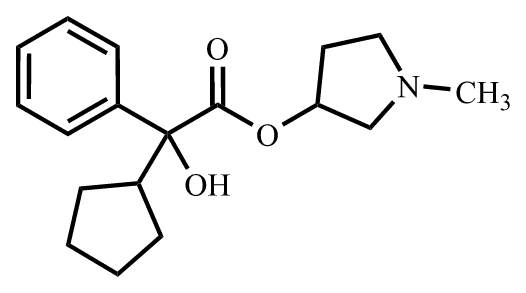
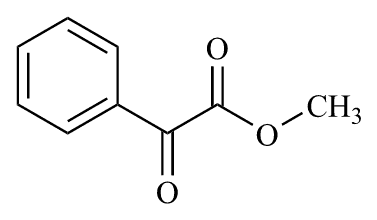
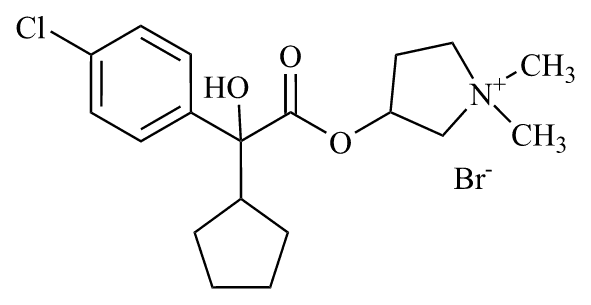
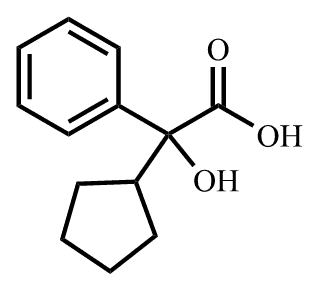
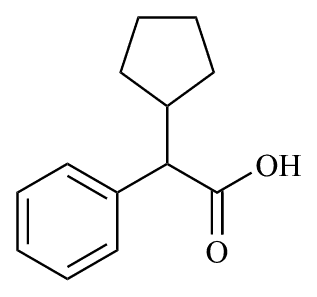
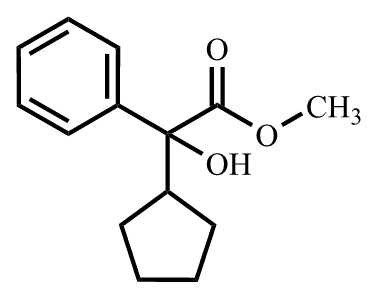
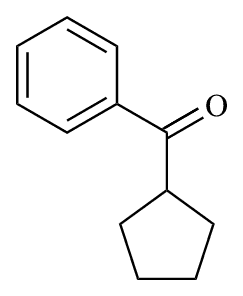
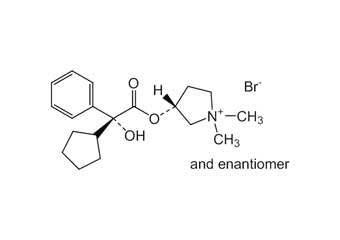
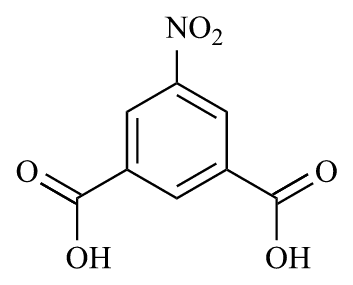
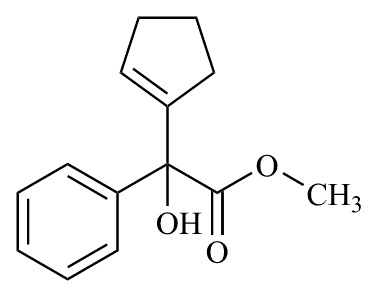
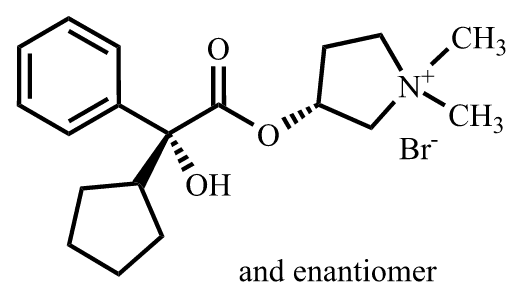
Glycopyrrolate is a synthetic quaternary ammonium anticholinergic agent that functions as a muscarinic receptor antagonist, primarily used to inhibit salivary and respiratory secretions and to treat conditions such as peptic ulcers. This category provides comprehensive reference standards for the drug, along with its pharmacopeial and non-pharmacopeial impurities, degradation products, and stereoisomeric variants. Pharmaceutical laboratories utilize these materials for rigorous impurity profiling, method validation, and stability testing to ensure strict regulatory compliance. Additionally, stable isotope labelled compounds are available to serve as essential internal standards for accurate quantification in mass spectrometry-based analytical procedures. By incorporating these high-quality standards into analytical workflows, laboratories can effectively characterize chemical profiles, monitor trace-level impurities, and maintain consistent quality control protocols throughout the entire drug product lifecycle.

