India +91 94223 00020abhay@splendidlab.comISO 17034:2016 · GLP certified
Halcinonide is a high-potency topical corticosteroid belonging to the fluorinated glucocorticoid class, widely indicated for the treatment of inflammatory skin conditions such as dermatitis, eczema, and… Read more

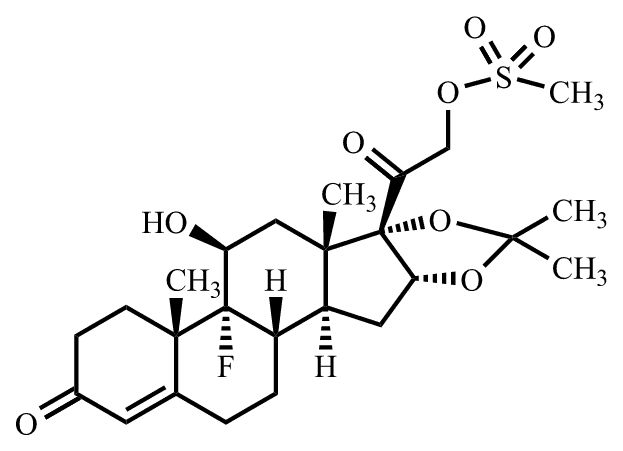
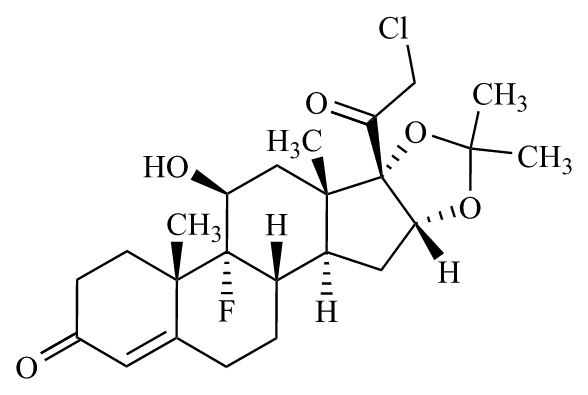
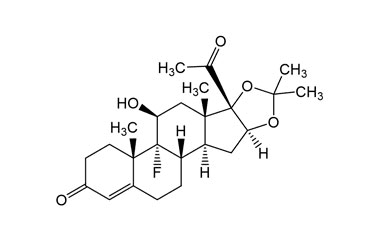
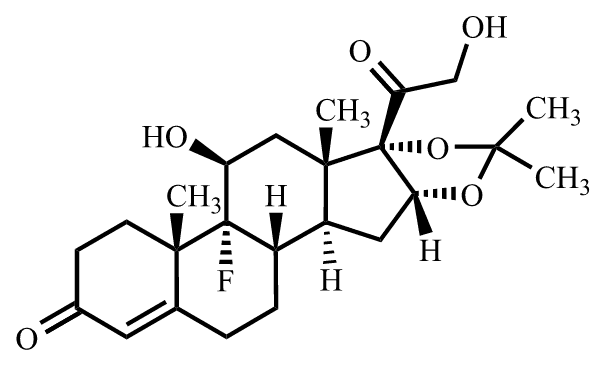
Halcinonide is a high-potency topical corticosteroid belonging to the fluorinated glucocorticoid class, widely indicated for the treatment of inflammatory skin conditions such as dermatitis, eczema, and psoriasis. Analytical laboratories rely on high-quality reference standards of the parent drug, its related impurities, and degradation products to ensure rigorous quality control and regulatory compliance. These compounds are essential for accurate impurity profiling and method validation, allowing researchers to detect and quantify process-related substances or storage-induced degradation products within pharmaceutical formulations. By utilizing these characterized standards, including synthetic intermediates and structurally related analogs, analytical scientists can perform precise stability studies and forced degradation testing. Consistent access to these materials supports the development of reliable analytical methods and adherence to international quality guidelines, ensuring that therapeutic products maintain their expected safety and efficacy profiles throughout their shelf life.

