India +91 94223 00020abhay@splendidlab.comISO 17034:2016 · GLP certified
Heparin is a glycosaminoglycan anticoagulant medication essential for the prevention and treatment of thromboembolic disorders, including pulmonary embolism and deep vein thrombosis. By potentiating antithrombin… Read more

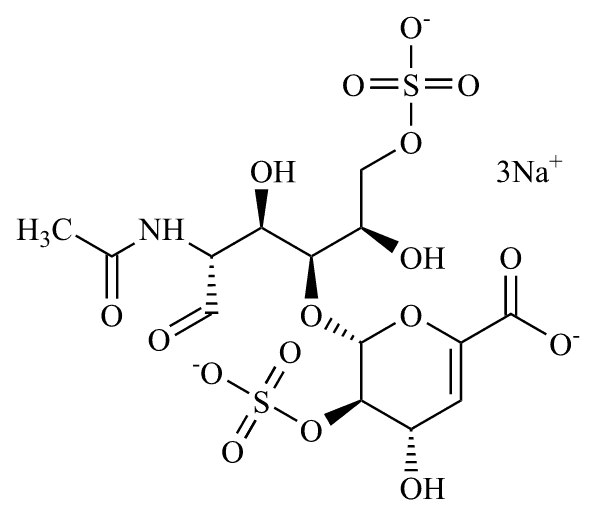
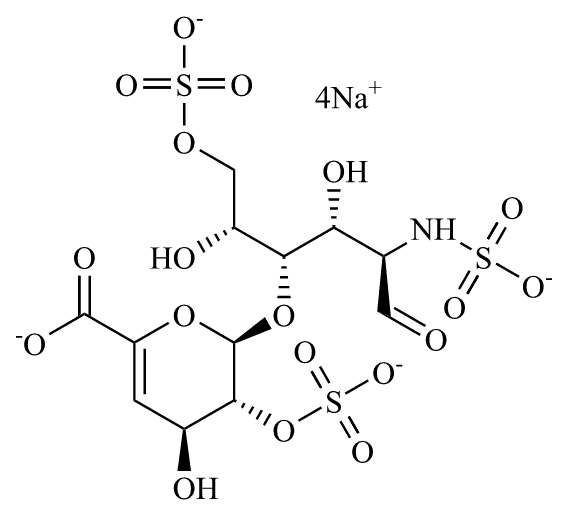
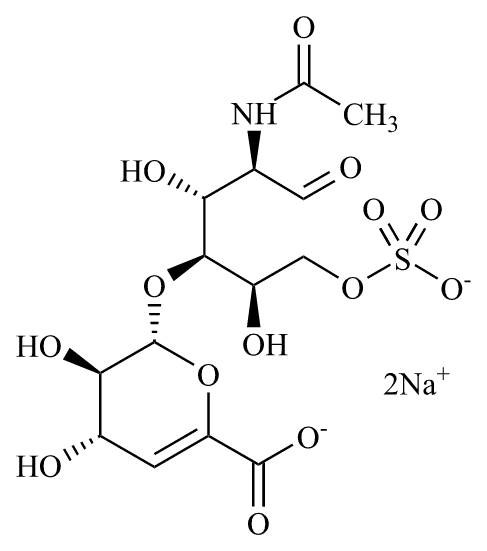
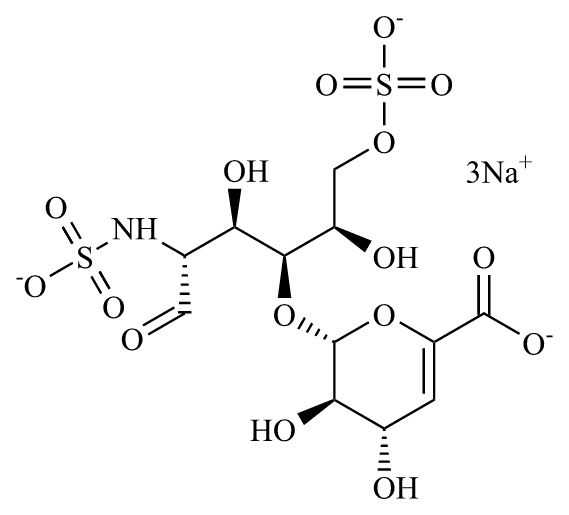
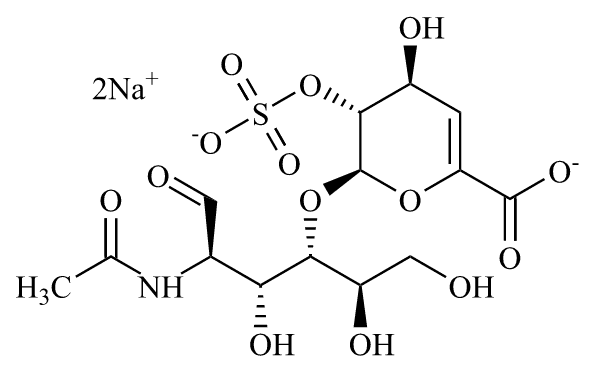
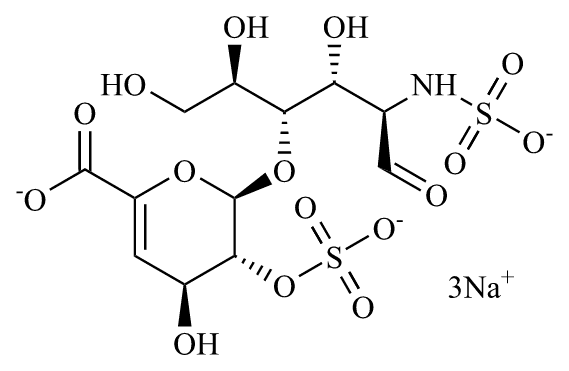
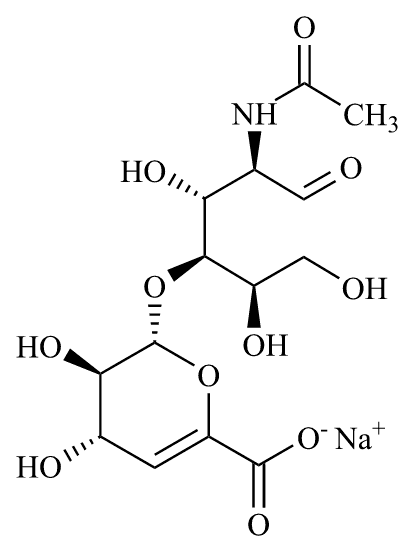
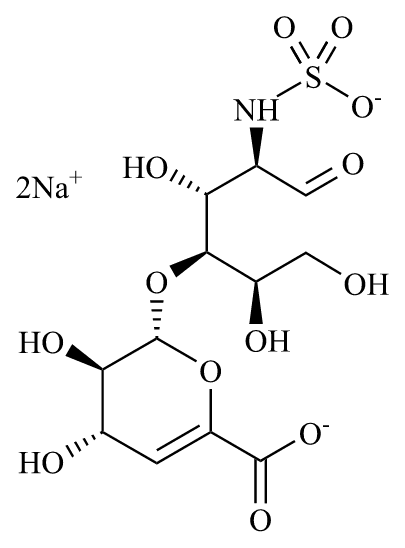
Heparin is a glycosaminoglycan anticoagulant medication essential for the prevention and treatment of thromboembolic disorders, including pulmonary embolism and deep vein thrombosis. By potentiating antithrombin III, it inhibits clotting factors IIa and Xa to effectively regulate blood coagulation. Analytical laboratories rely on high-quality reference standards for heparin to ensure the safety, efficacy, and consistency of therapeutic products. This category includes comprehensive materials such as heparin disaccharides, low-molecular-mass variants, and various sodium or calcium salts required for rigorous analytical testing and quality control. These reference standards are indispensable for method validation, structural characterization, and the precise identification of complex heparin-derived compounds during pharmaceutical development. Whether conducting assay testing or performing detailed NMR identification, these specialized reagents provide the accuracy necessary to meet strict regulatory standards for anticoagulant therapy.

