India +91 94223 00020abhay@splendidlab.comISO 17034:2016 · GLP certified
Heptane is a saturated hydrocarbon and straight-chain alkane primarily utilized as a non-polar solvent in chemical synthesis and industrial processes. While heptane itself serves as a foundational solvent,… Read more

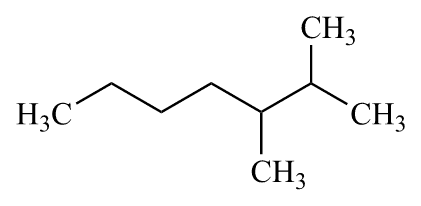
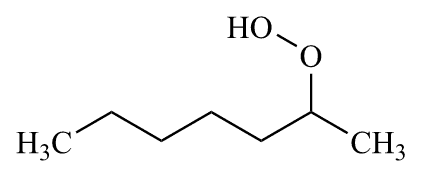
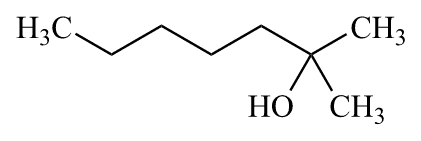
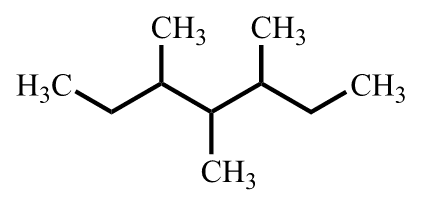

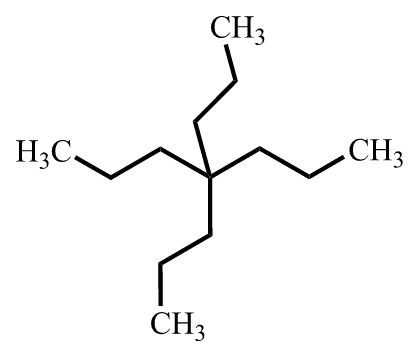

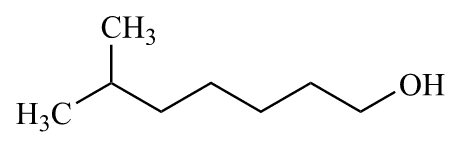
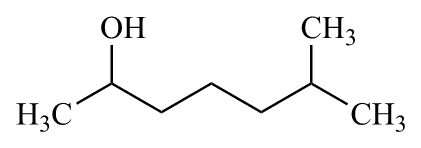
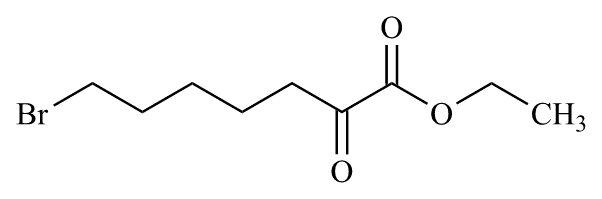
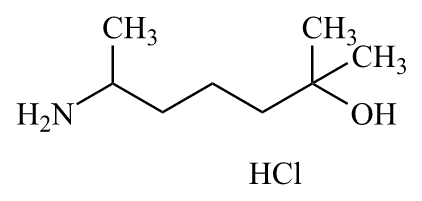


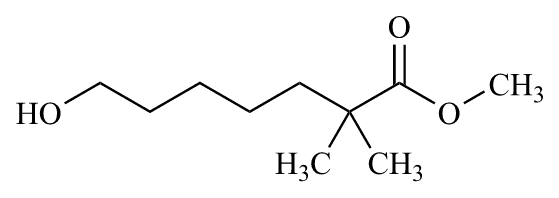

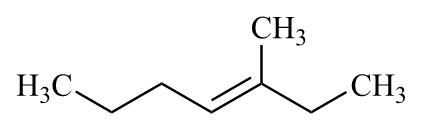
Heptane is a saturated hydrocarbon and straight-chain alkane primarily utilized as a non-polar solvent in chemical synthesis and industrial processes. While heptane itself serves as a foundational solvent, this category also includes a diverse array of heptane derivatives, functionalized alkanes, and pharmaceutical compounds such as heptaminol, a vasodilatory agent used for its cardiotonic properties. Laboratories and analytical facilities require these reference standards, including stable isotope labelled compounds and specific impurities, to support rigorous quality control and impurity profiling. These materials are essential for verifying the chemical composition and structural integrity of substances during analytical method validation, synthetic research, and the characterization of chemical intermediates. Whether used as markers for chromatographic testing or as building blocks in complex synthesis, these heptane-based compounds provide the precise chemical standards necessary for accurate quantitative analysis and reproducible research outcomes across chemical and pharmaceutical disciplines.

