India +91 94223 00020abhay@splendidlab.comISO 17034:2016 · GLP certified
Ibandronate is a nitrogen-containing bisphosphonate medication primarily indicated for the treatment and prevention of osteoporosis in postmenopausal women, as well as for reducing skeletal-related events… Read more

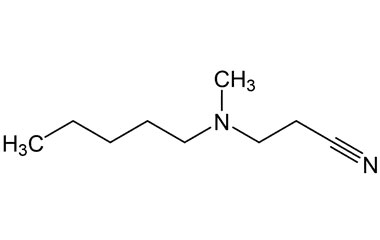
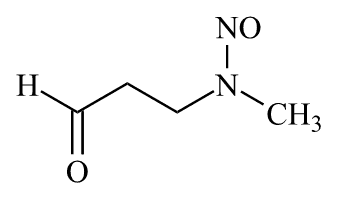
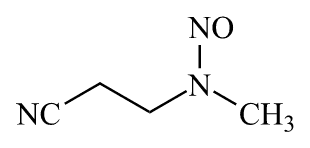


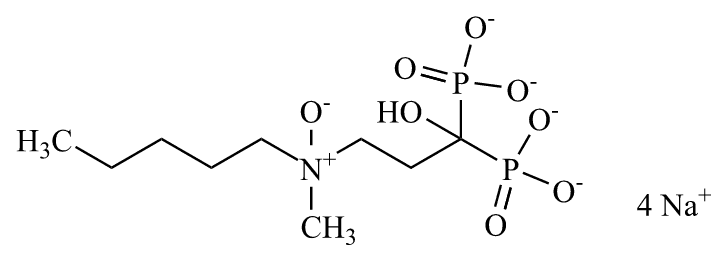


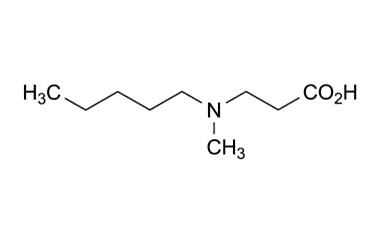




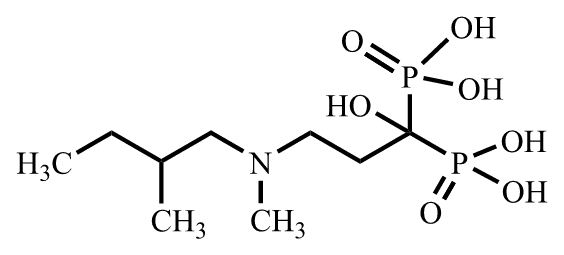



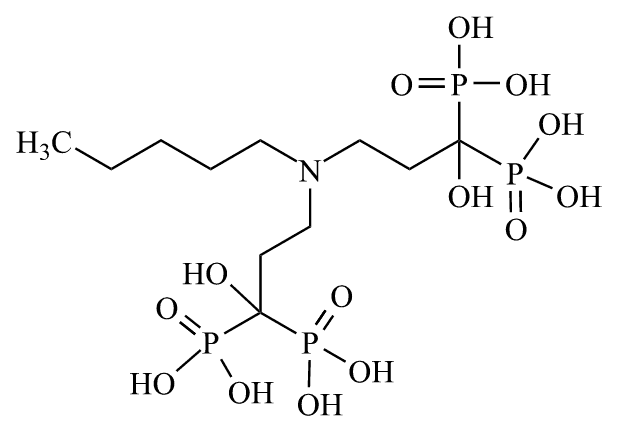
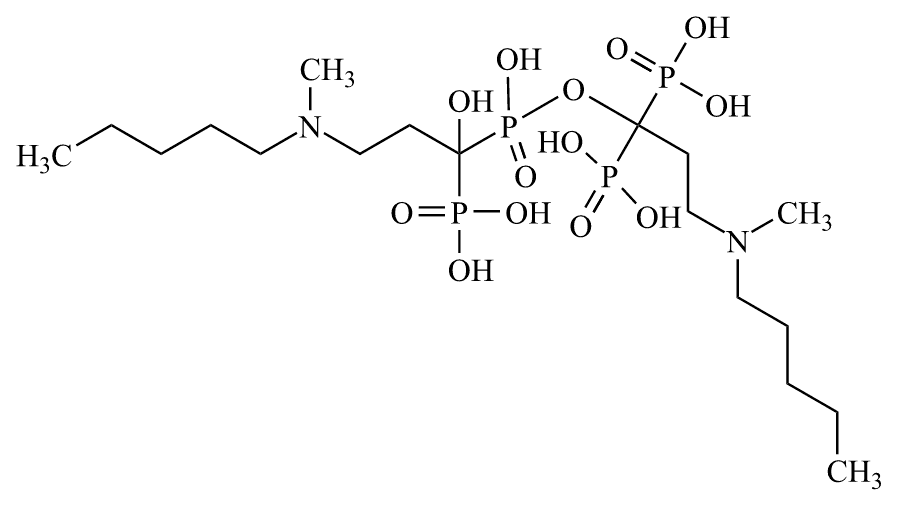
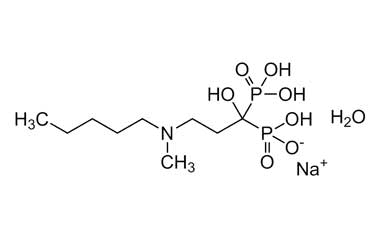
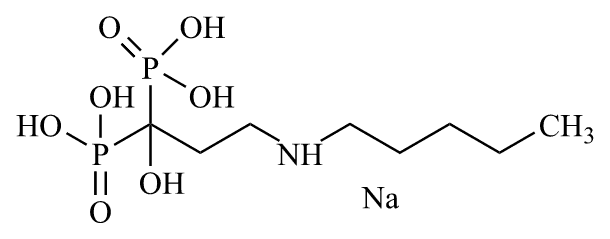
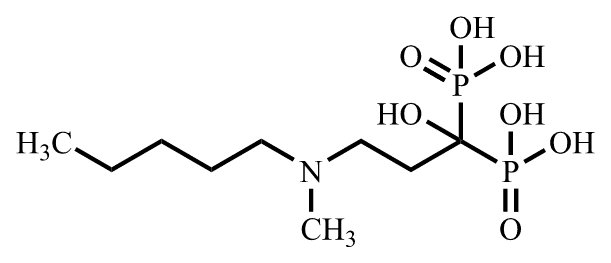
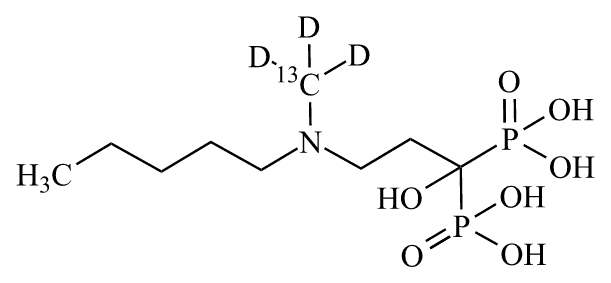
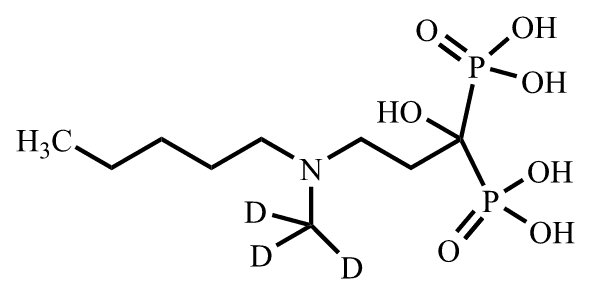
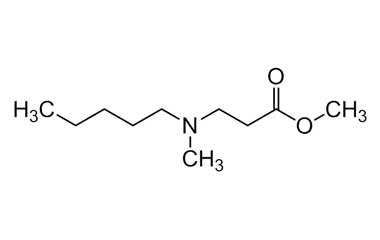
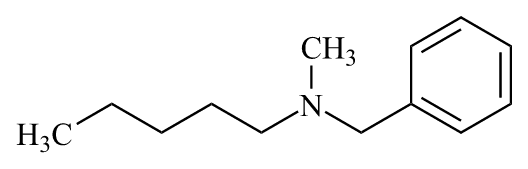
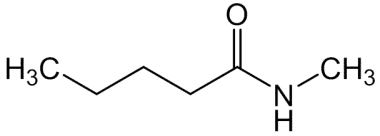
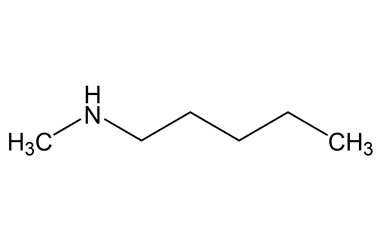


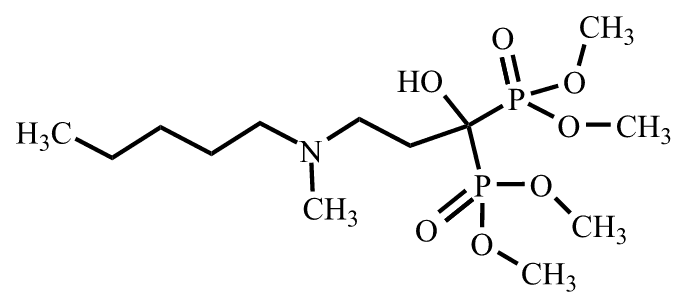
Ibandronate is a nitrogen-containing bisphosphonate medication primarily indicated for the treatment and prevention of osteoporosis in postmenopausal women, as well as for reducing skeletal-related events in patients with bone metastases from solid tumors. To ensure the safety and efficacy of the therapeutic product, analytical laboratories utilize this comprehensive selection of Ibandronate reference standards, which encompasses the active pharmaceutical ingredient, pharmacopeial and non-pharmacopeial impurities, and degradation products. These materials are essential for rigorous impurity profiling and method validation, allowing analysts to accurately detect and quantify structurally related analogs and process-related substances. Furthermore, the inclusion of stable isotope labelled compounds provides critical internal standards for precise quantitative analysis during quality control procedures. By supporting standardized testing protocols, these reference materials assist in characterizing the drug's stability and maintaining strict adherence to regulatory quality guidelines.

