India +91 94223 00020abhay@splendidlab.comISO 17034:2016 · GLP certified
Indole is a fundamental bicyclic heterocyclic organic compound, widely recognized as a privileged scaffold in pharmaceutical chemistry and the broader benzazoles class. While it serves as a critical structural… Read more
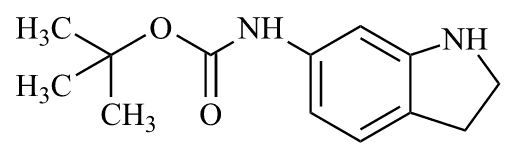
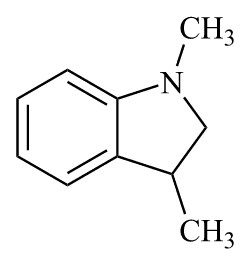
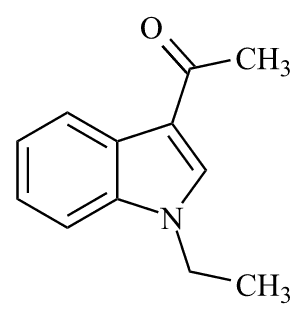
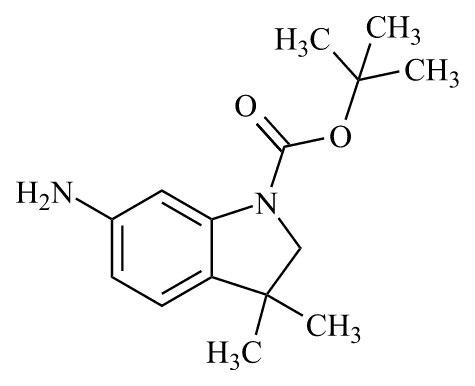
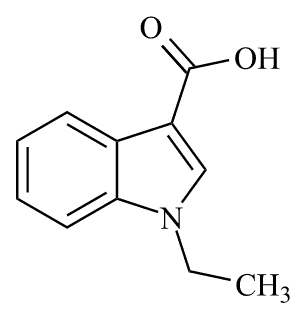
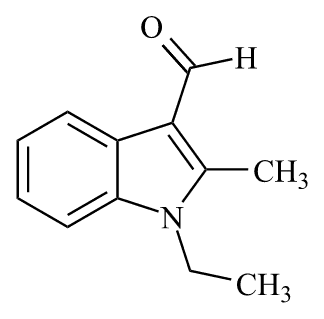
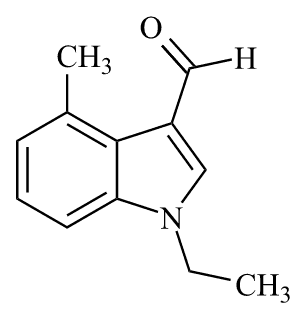


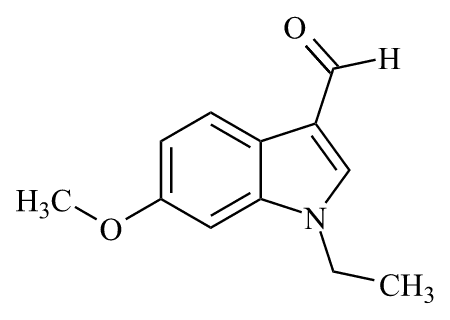
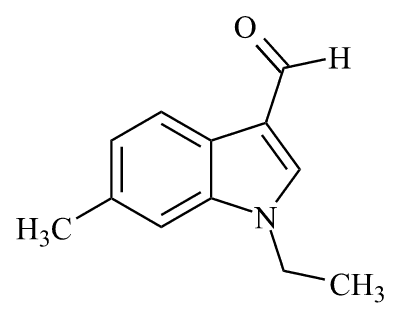
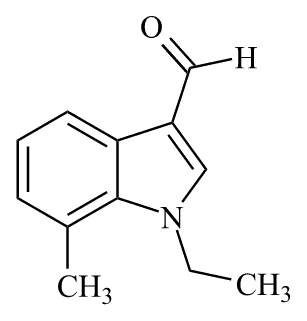
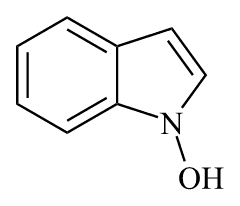
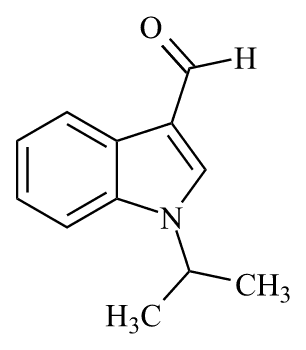
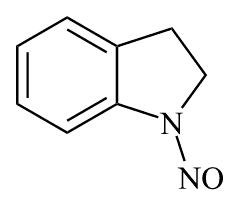
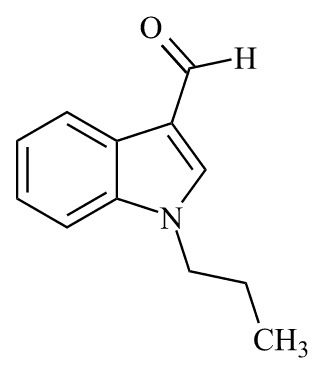

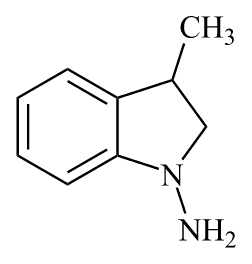
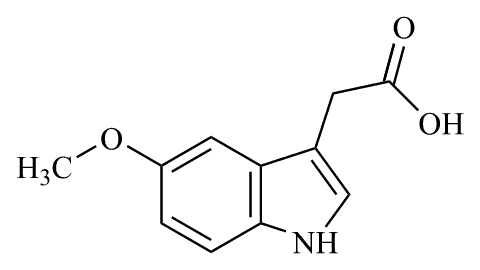

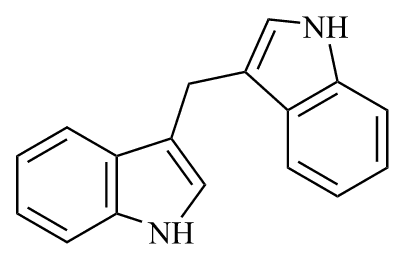
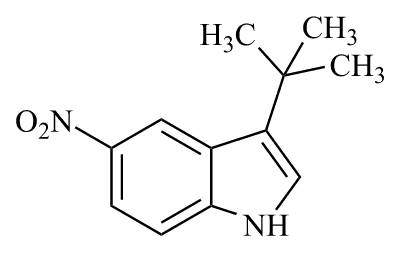
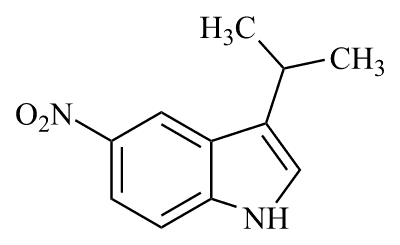
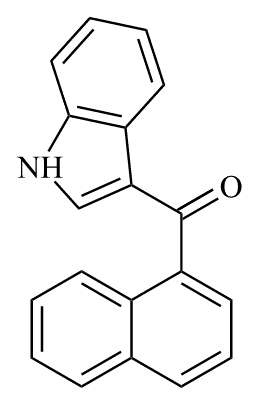
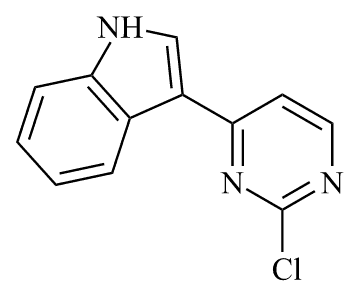
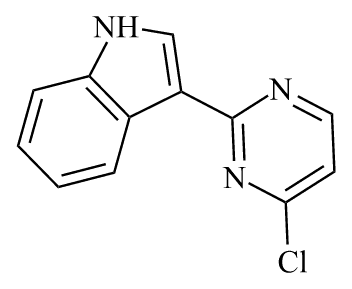
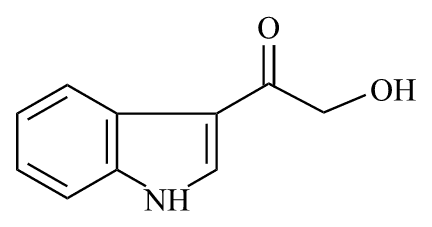

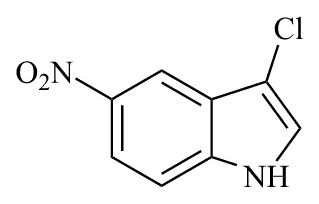
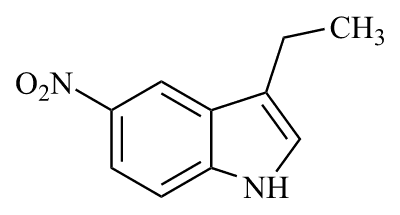
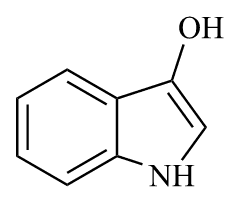
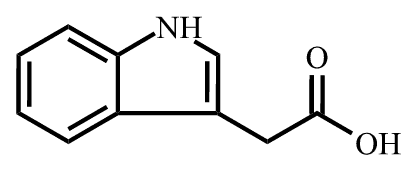
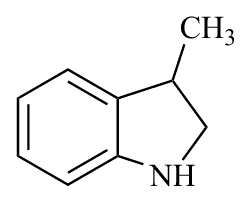
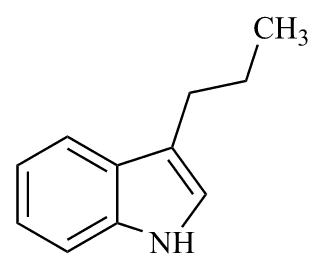
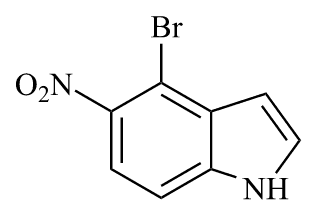
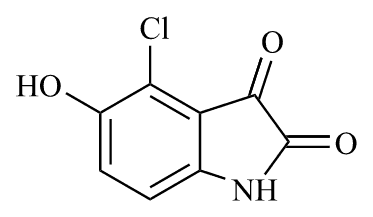
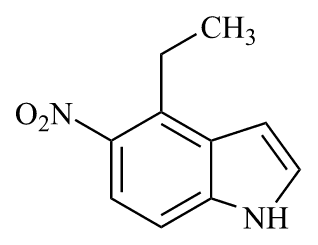
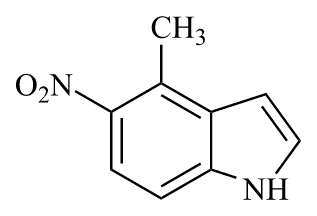
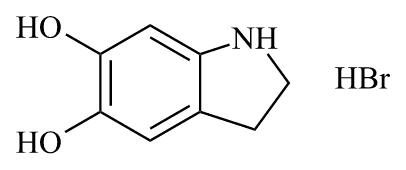
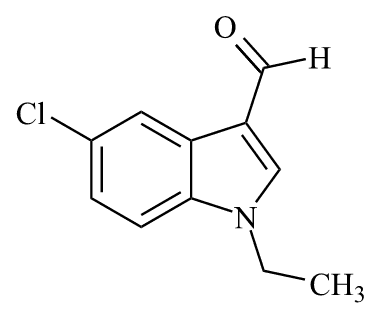
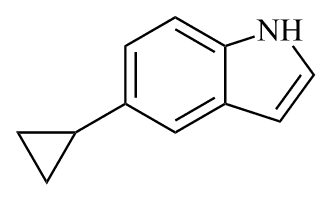
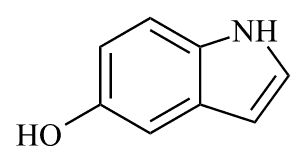
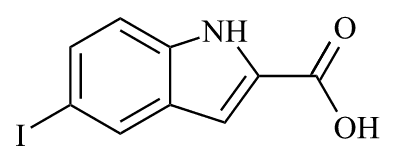
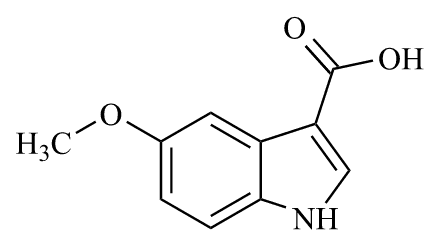
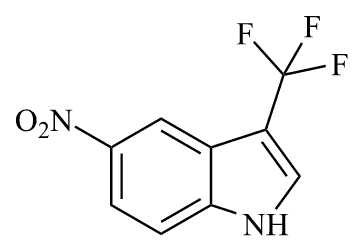
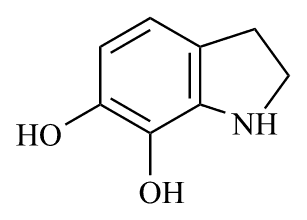
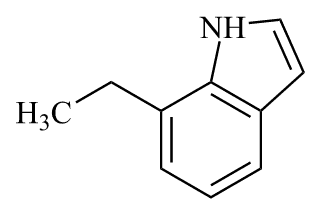
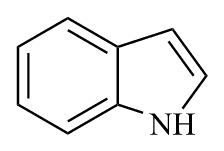
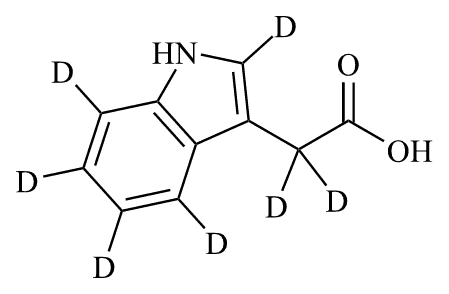
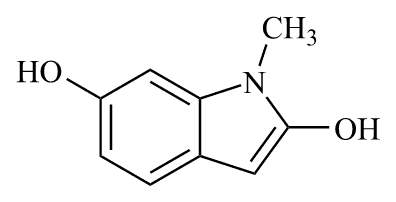
Indole is a fundamental bicyclic heterocyclic organic compound, widely recognized as a privileged scaffold in pharmaceutical chemistry and the broader benzazoles class. While it serves as a critical structural motif for the design and synthesis of diverse bioactive molecules, it is not a therapeutic agent itself. Laboratories utilize this comprehensive range of indole-related compounds, including various impurities, metabolites, and stable isotope-labelled standards, to support rigorous analytical testing and quality control processes. These materials are essential for accurate impurity profiling and method validation, ensuring compliance and analytical precision in complex pharmaceutical matrices. Furthermore, stable isotope-labelled compounds provide necessary internal standards for liquid chromatography-mass spectrometry quantification, allowing researchers to correct for matrix effects and improve measurement reproducibility in pharmacokinetic studies and drug development. These analytical tools are vital for the reliable characterization and quality assessment of indole-based compounds throughout the pharmaceutical product lifecycle.

