India +91 94223 00020abhay@splendidlab.comISO 17034:2016 · GLP certified
Indomethacin is a potent nonsteroidal anti-inflammatory drug (NSAID) of the indoleacetic acid class, widely prescribed to manage pain, inflammation, and stiffness associated with conditions such as rheumatoid… Read more
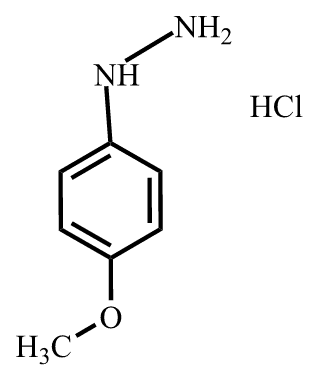
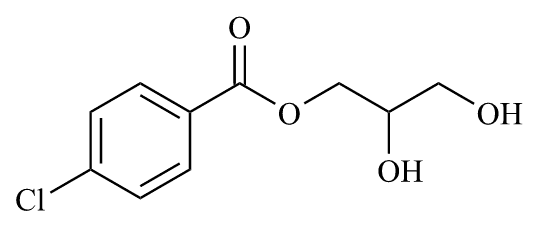
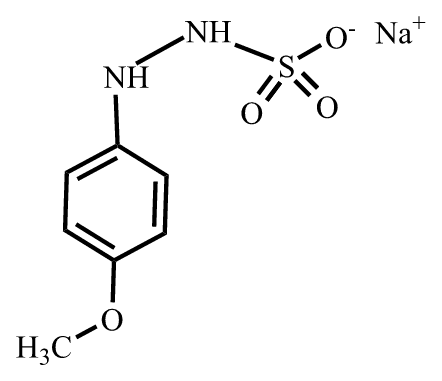
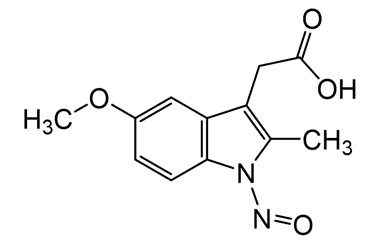
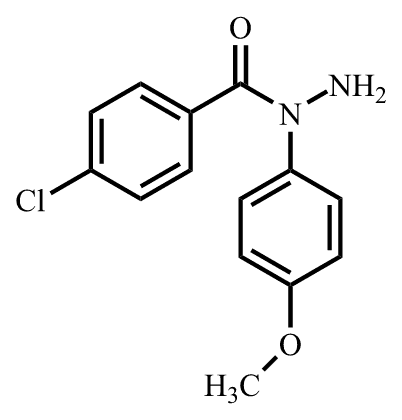
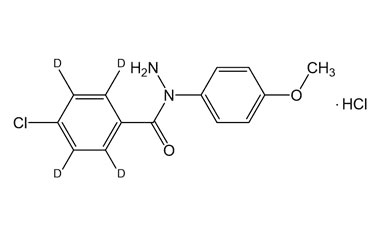


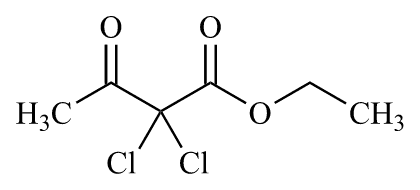

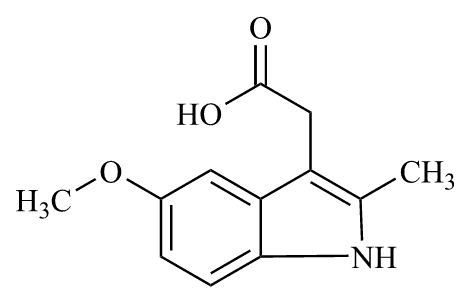
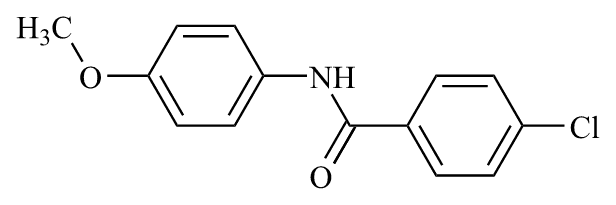
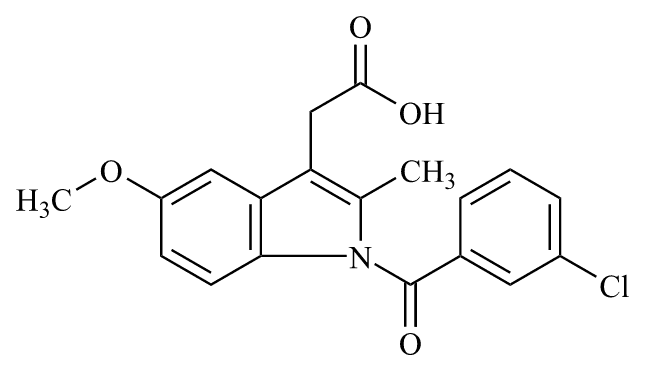

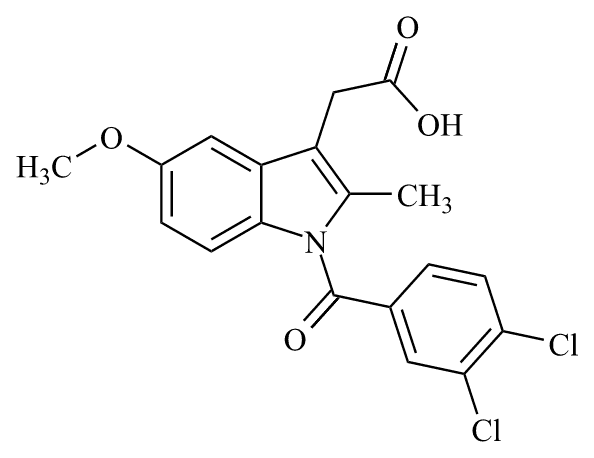
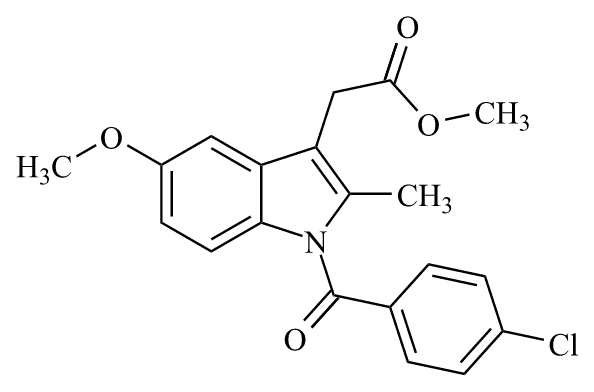
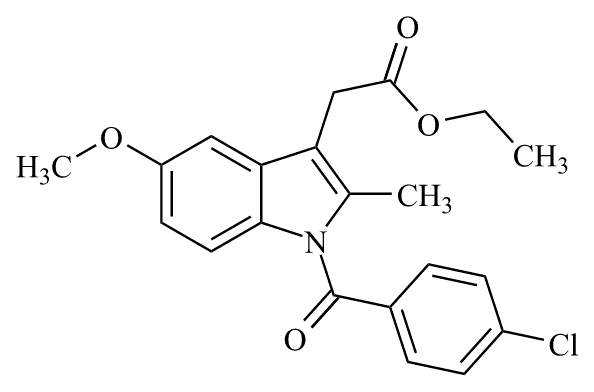
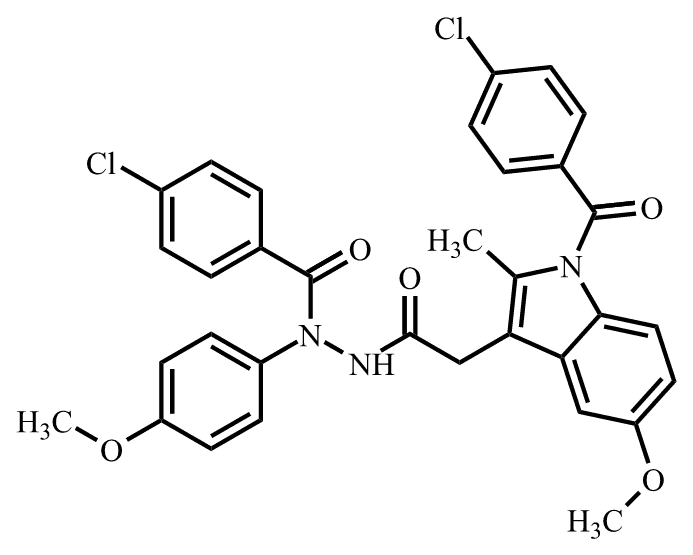


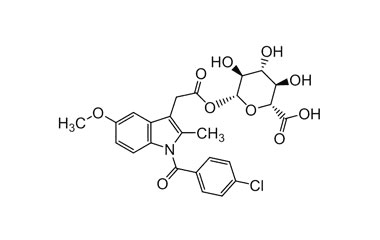
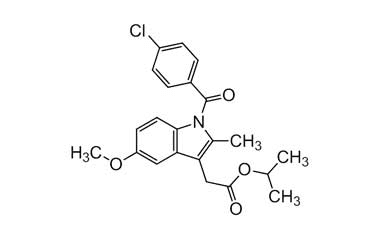
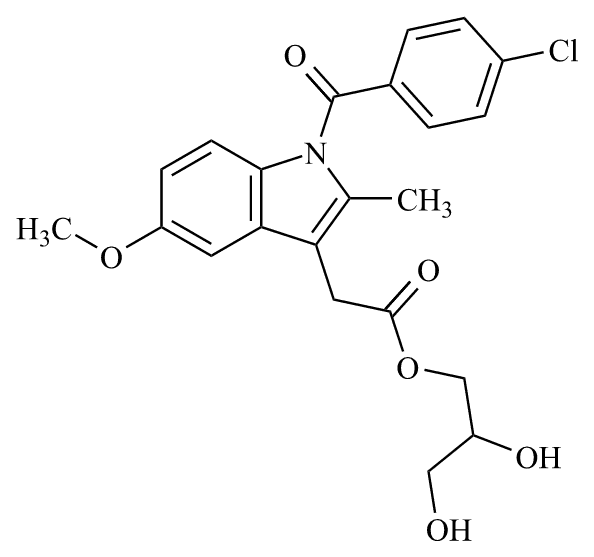


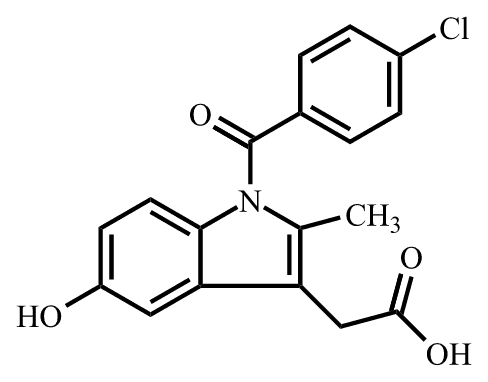

Indomethacin is a potent nonsteroidal anti-inflammatory drug (NSAID) of the indoleacetic acid class, widely prescribed to manage pain, inflammation, and stiffness associated with conditions such as rheumatoid arthritis, osteoarthritis, gout, bursitis, and tendonitis. Laboratory professionals utilize this category to access high-quality reference standards for Indomethacin and its related substances, including metabolites like acyl glucuronides, degradation products, and stable isotope labelled compounds. These materials are essential for rigorous impurity profiling, structural characterization, and the validation of analytical methods to ensure regulatory compliance and therapeutic safety. By serving as precise benchmarks, these reference standards enable laboratories to accurately detect and quantify impurities formed through pathways such as hydrolysis, oxidation, or photolysis. The availability of diverse labelled standards and synthetic derivatives further supports quality control protocols, facilitating reliable performance monitoring and consistent results in advanced pharmaceutical research and development applications.

