India +91 94223 00020abhay@splendidlab.comISO 17034:2016 · GLP certified
Iodixanol is a non-ionic iodinated contrast agent utilized in medical imaging to enhance the visibility of blood vessels and organs during diagnostic procedures such as coronary angiography. As a specialized… Read more
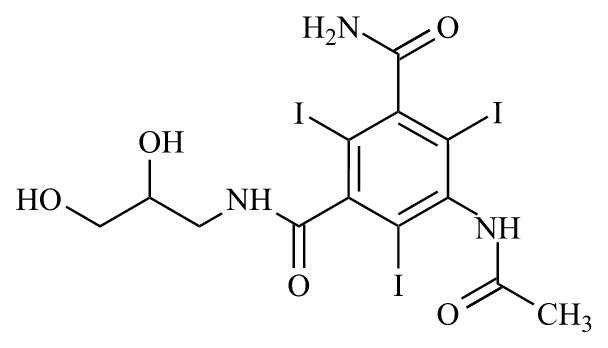
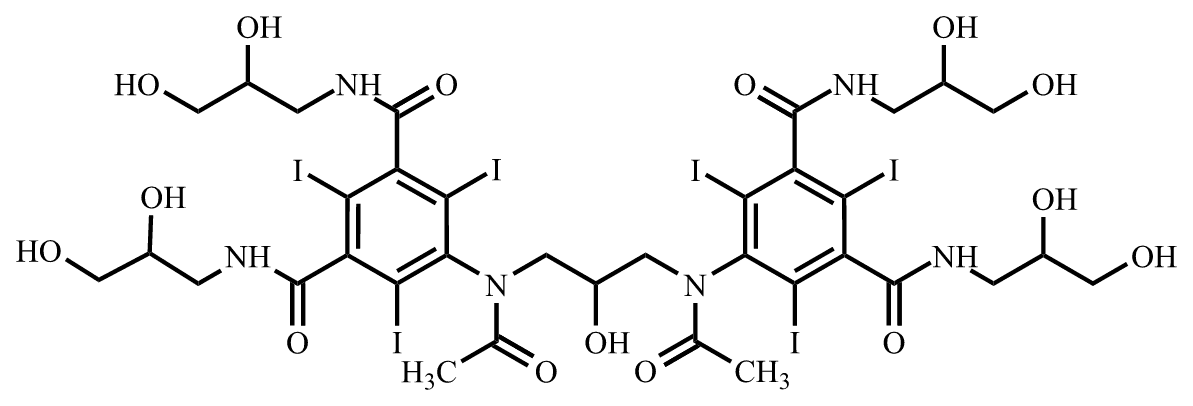

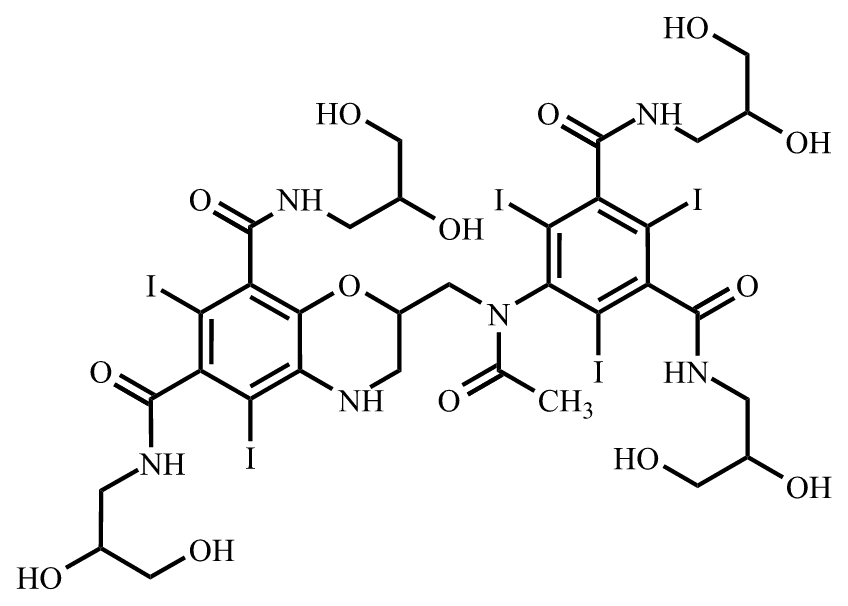
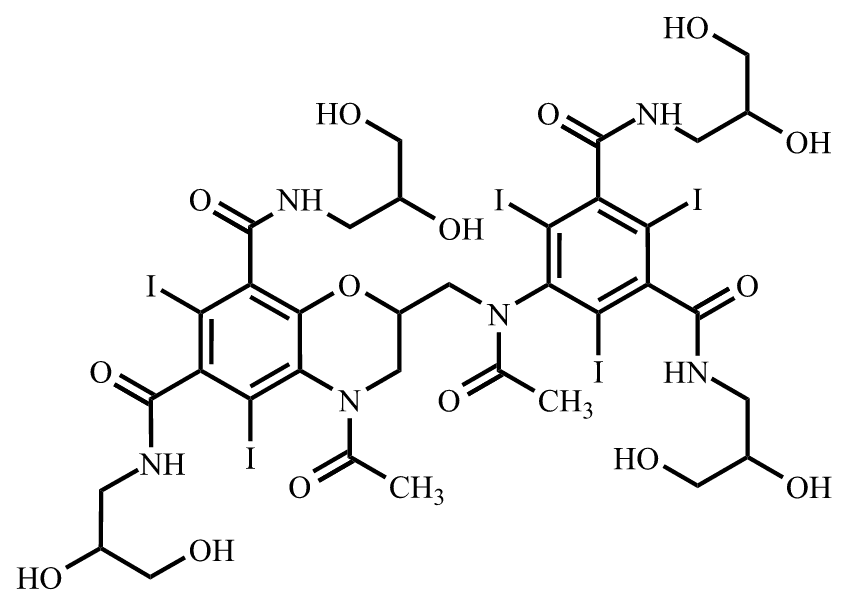
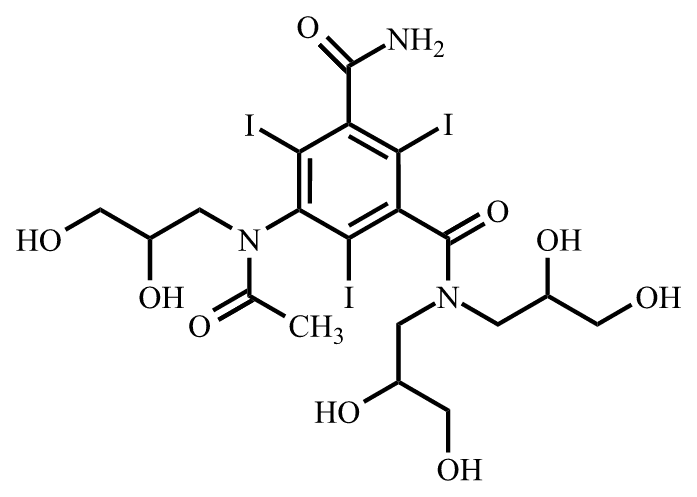
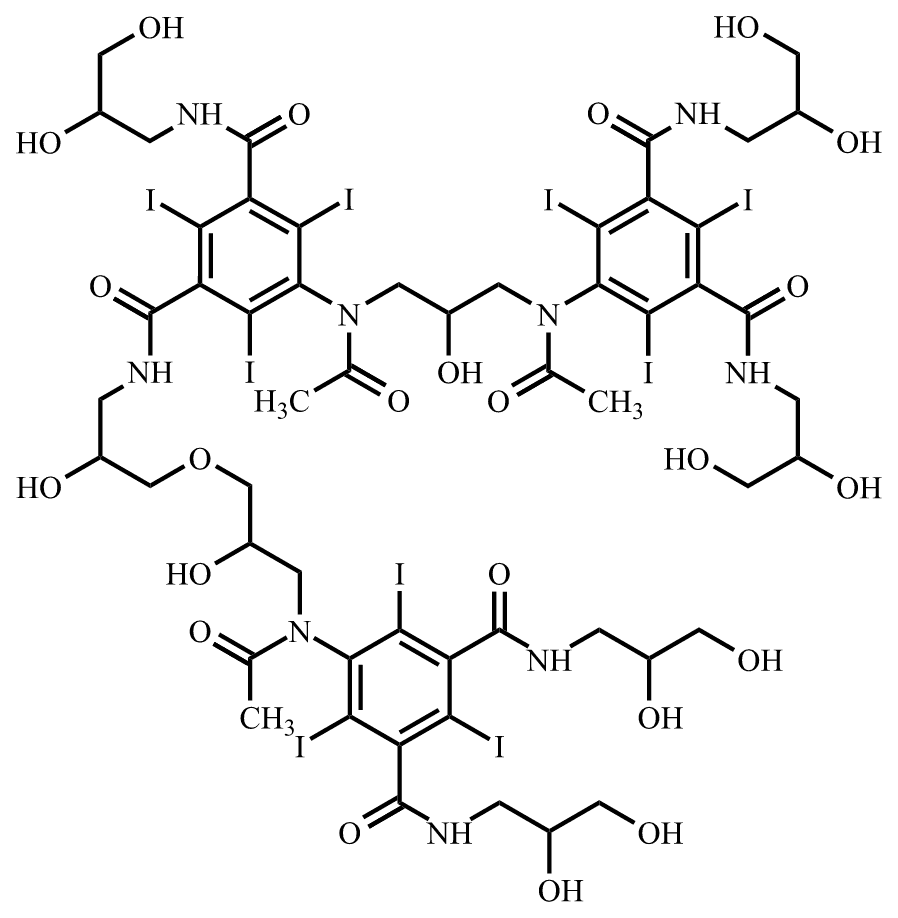
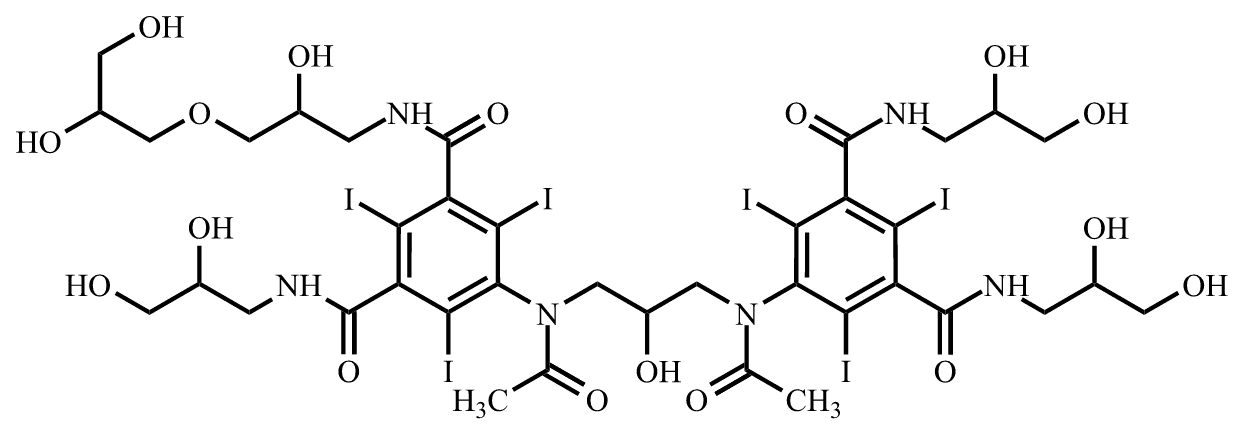
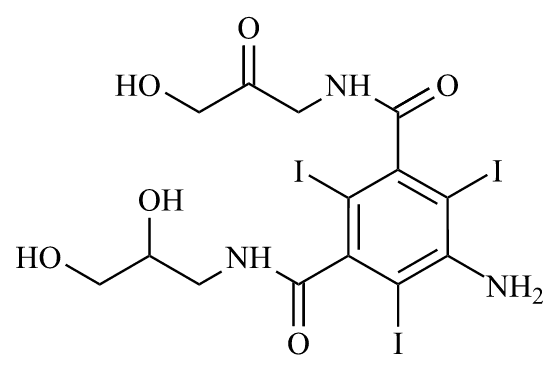
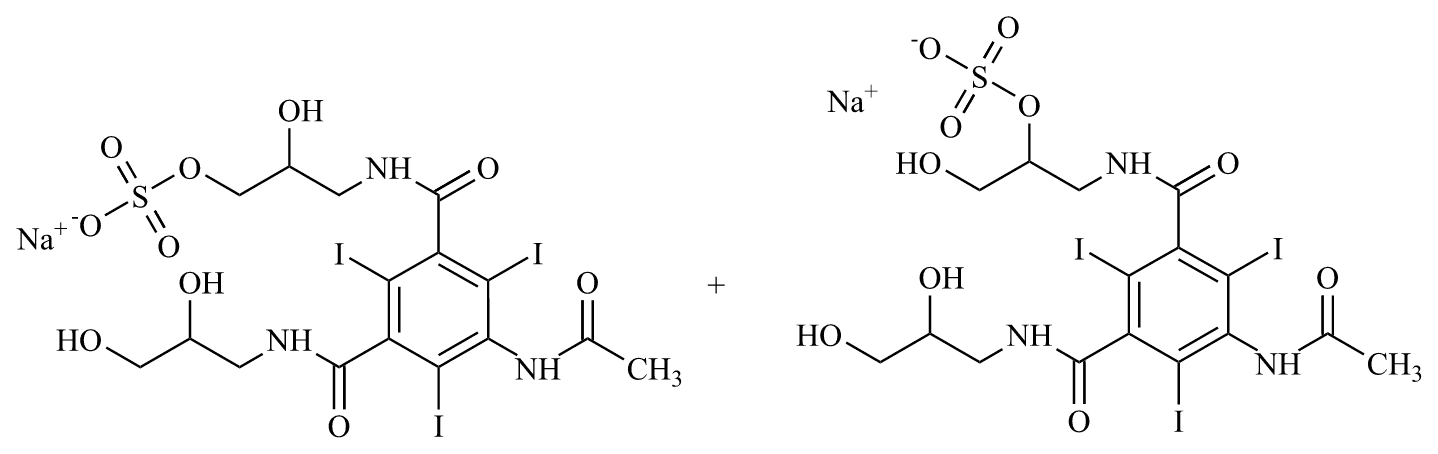
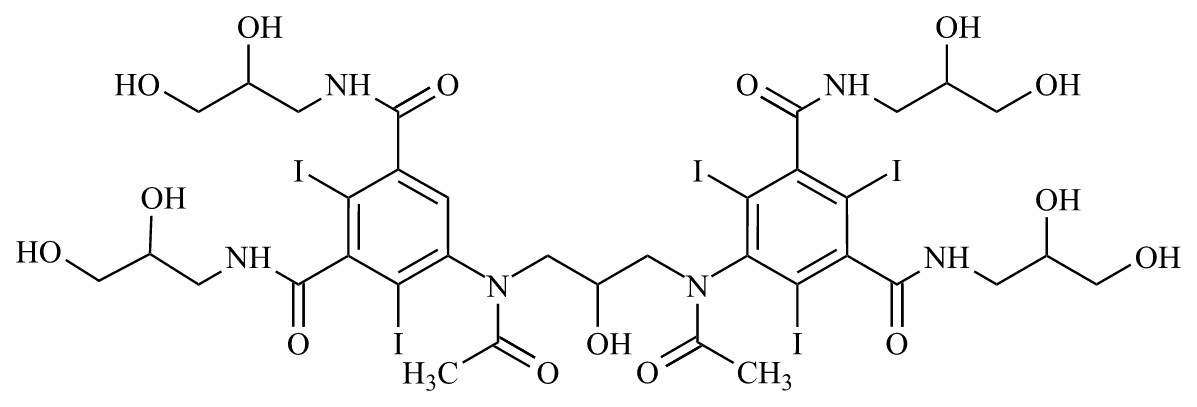
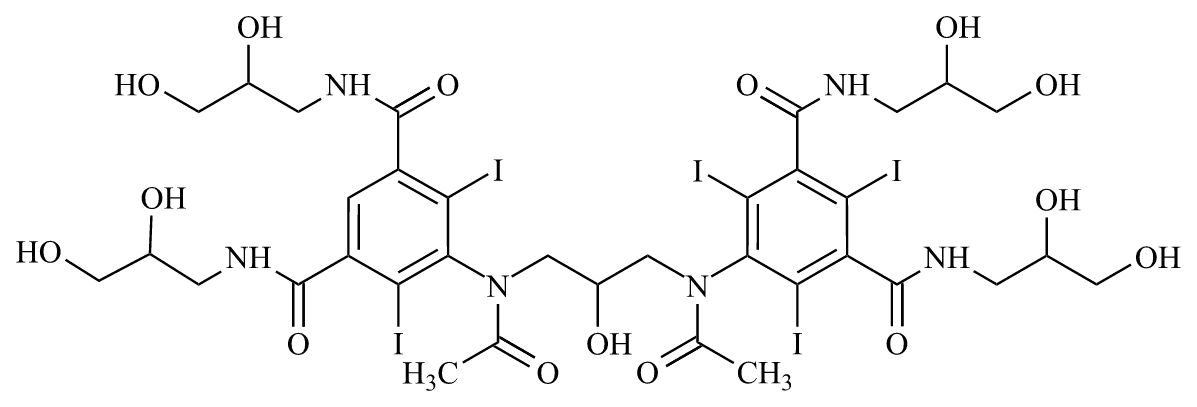
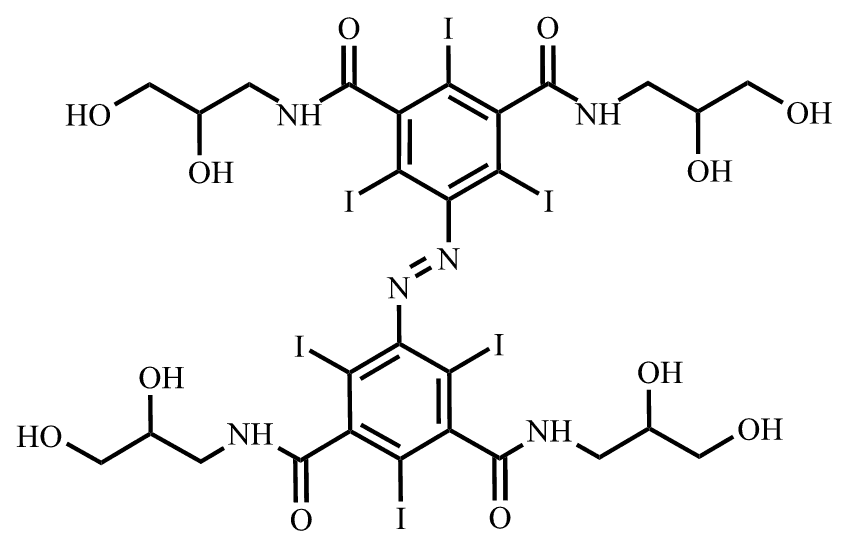
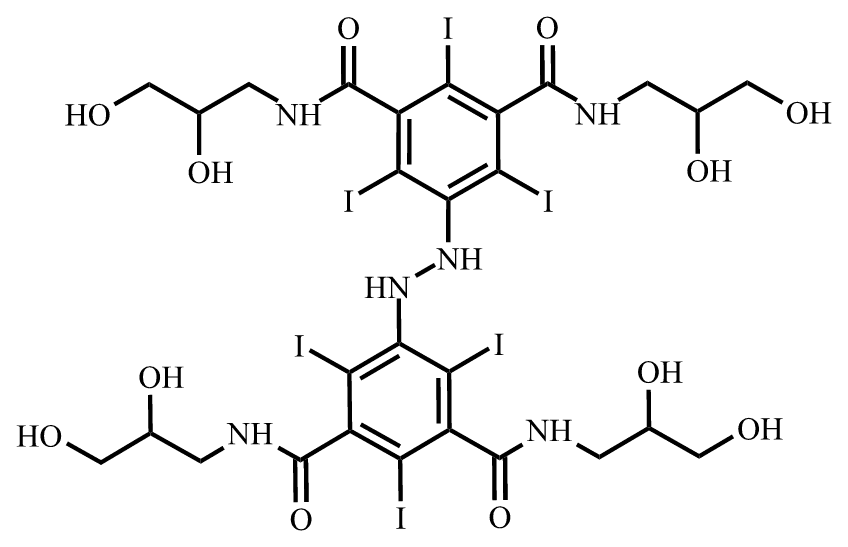
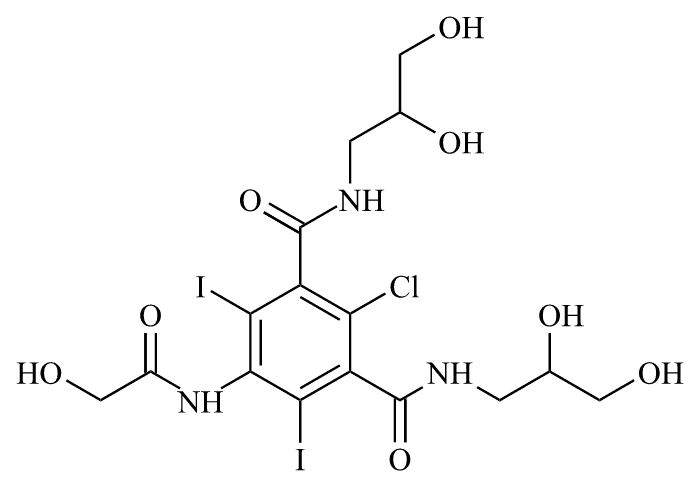
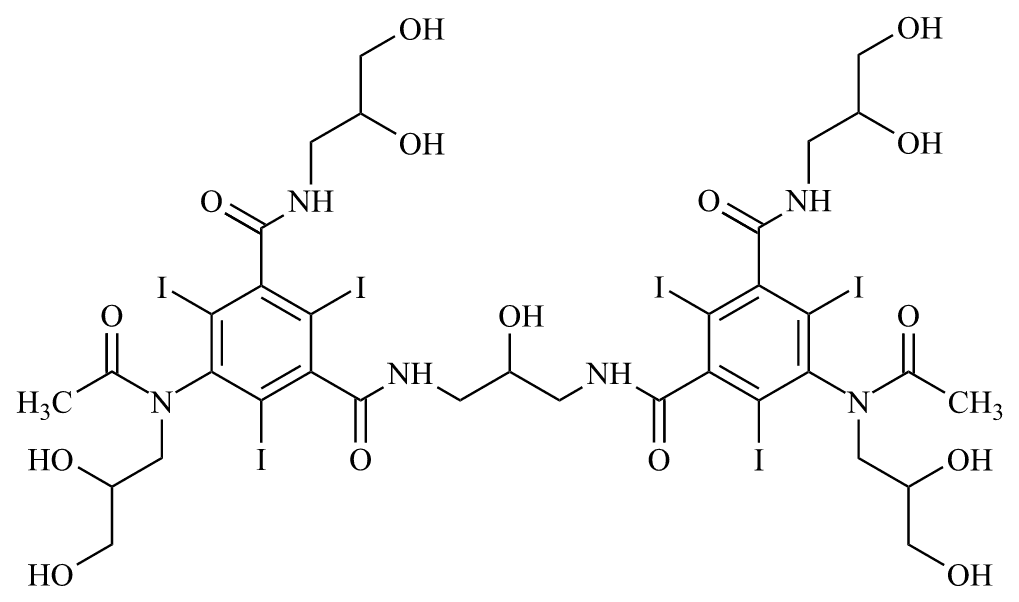
![Chemical structure of Iodixanol Related Compound C (5-[Acetyl[3-[[3,5-bis[[(2,3-dihydroxypropyl)amino]carbonyl]-2,4,6-tri (1343540)](/_next/image?url=https%3A%2F%2Fassets.splendidlab.com%2F171897-74-8-Iodixanol-Related-Compound-C-5-Acetyl3-35-bis23-dihydroxypropylaminocarbonyl-246-tri-1343540.png&w=3840&q=75)

Iodixanol is a non-ionic iodinated contrast agent utilized in medical imaging to enhance the visibility of blood vessels and organs during diagnostic procedures such as coronary angiography. As a specialized organic iodine compound, it is employed to provide diagnostic clarity while minimizing adverse effects common to older ionic media. For laboratories engaged in the characterization of this pharmaceutical, access to reliable reference standards is essential for rigorous quality control and method validation. The compounds included in this category, encompassing known impurities, degradation products, and stable isotope labelled variants, are critical for accurate impurity profiling and precise analytical testing. These materials enable chemists to develop robust detection methods, ensuring regulatory compliance and consistency by providing the necessary benchmarks to monitor the purity, stability, and integrity of the drug substance throughout the entire manufacturing and quality assurance lifecycle.

