India +91 94223 00020abhay@splendidlab.comISO 17034:2016 · GLP certified
Isotretinoin is a retinoid in the vitamin A acid class, primarily indicated for the treatment of severe, recalcitrant nodular acne and certain malignancies, including the prevention of specific skin cancers.… Read more

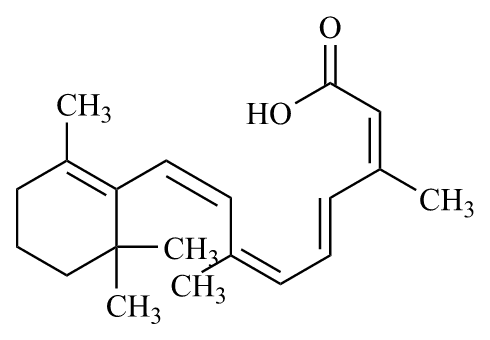


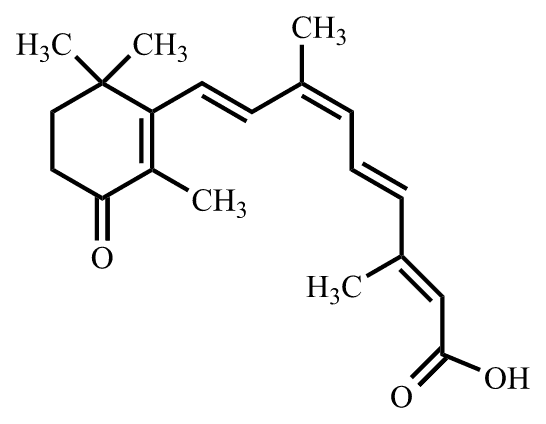

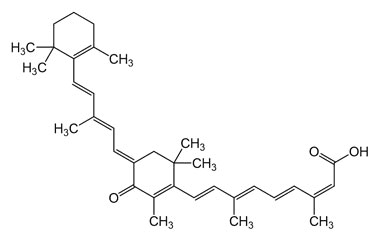
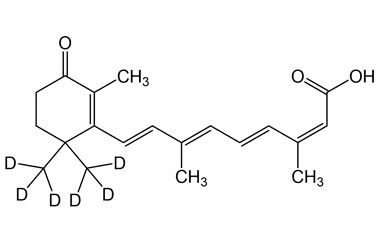
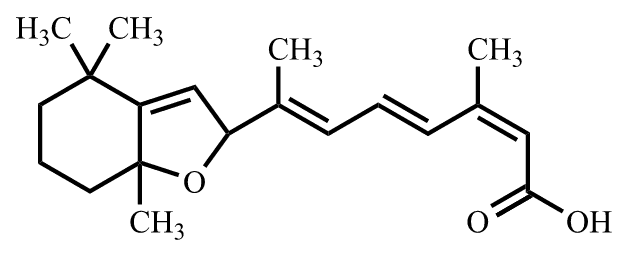
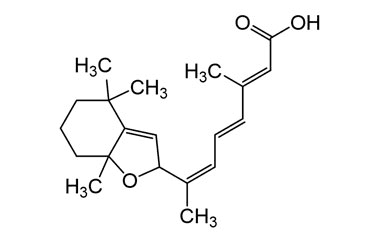
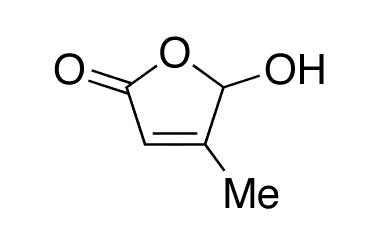
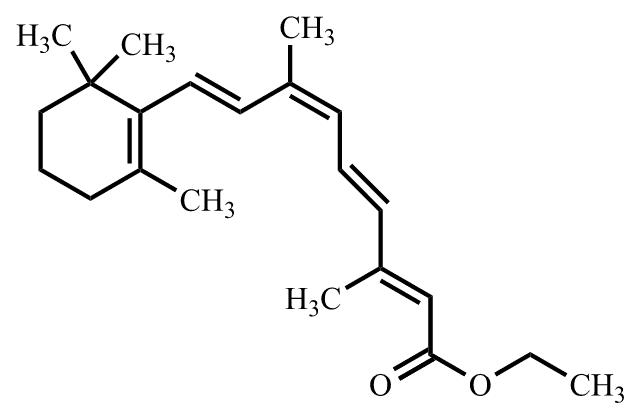
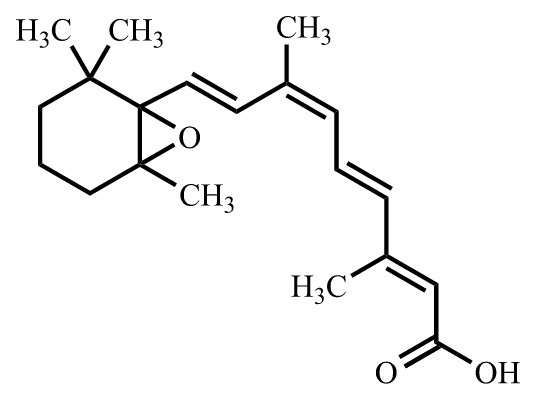
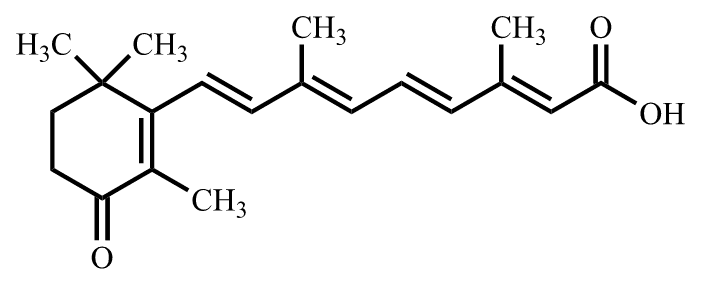
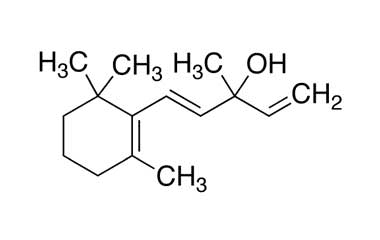
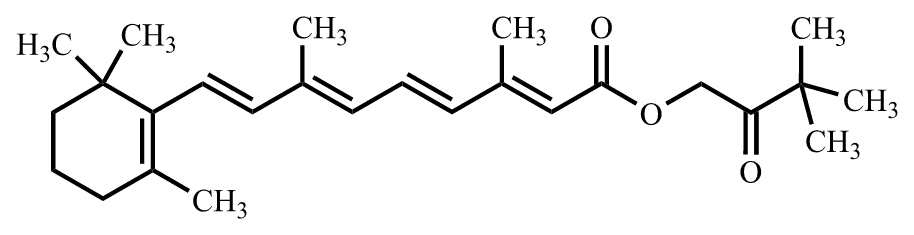
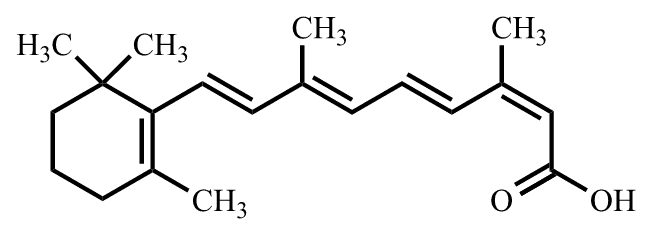

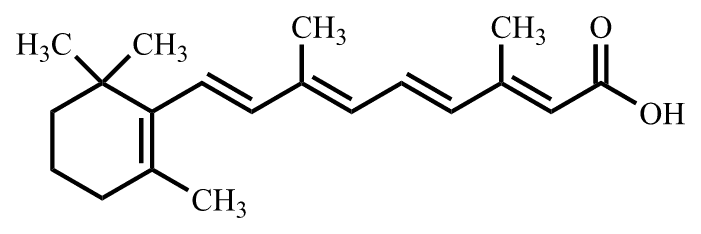
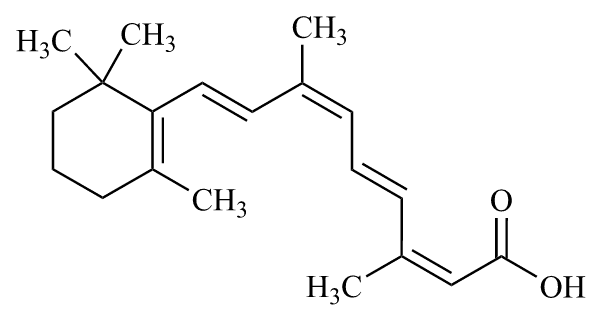
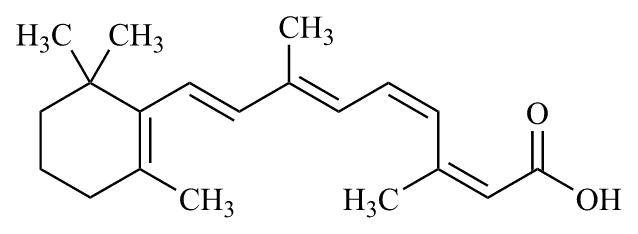
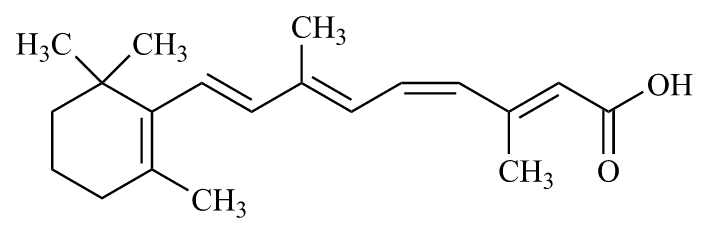
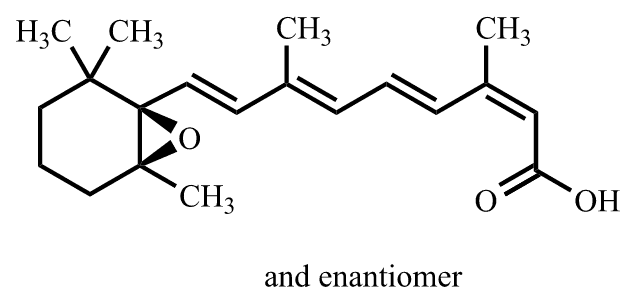
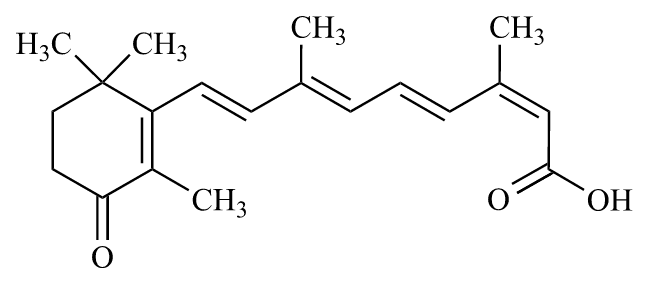
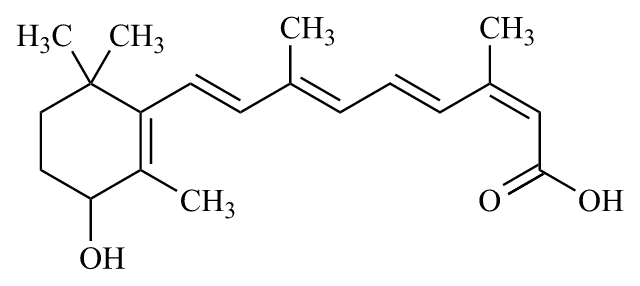

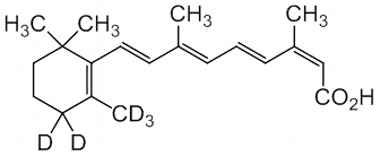

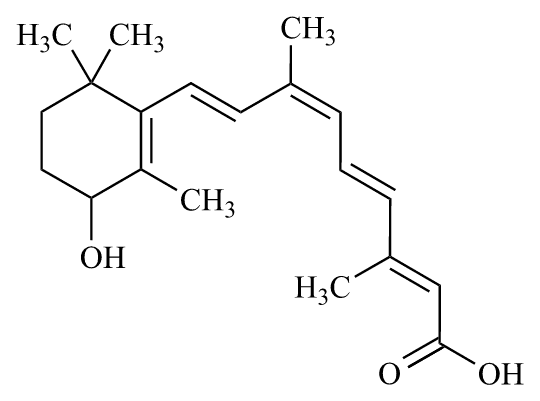
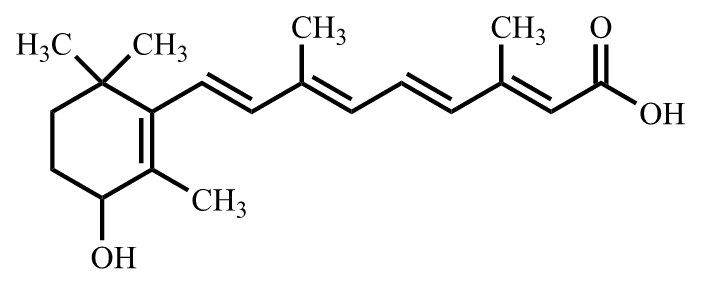
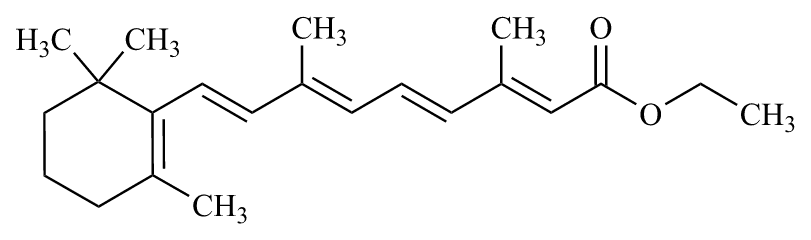
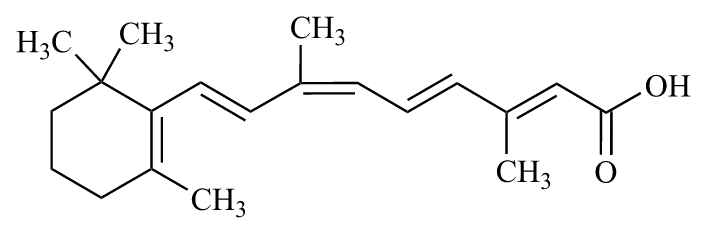
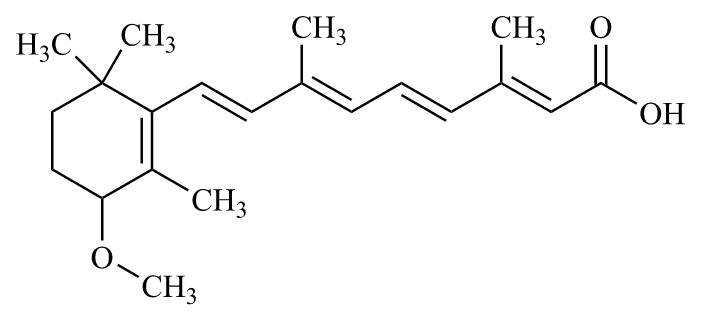
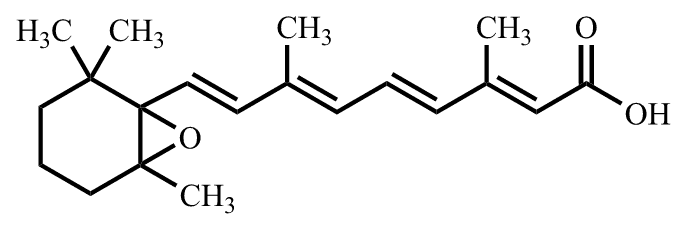
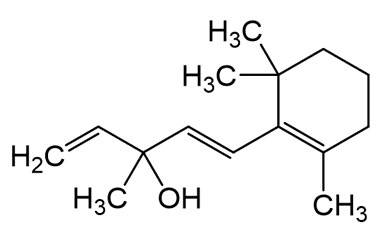

Isotretinoin is a retinoid in the vitamin A acid class, primarily indicated for the treatment of severe, recalcitrant nodular acne and certain malignancies, including the prevention of specific skin cancers. It functions by normalizing keratinization and reducing sebaceous gland activity. Because this compound is sensitive to factors such as oxidation, hydrolysis, and photolysis, pharmaceutical laboratories require precise reference standards to support rigorous analytical method development and quality control. This category provides essential impurities and degradation products, such as various retinoic acid isomers and oxo-derivatives, which are critical for accurate impurity profiling and stability testing. Additionally, stable isotope labelled compounds are available to assist in quantitative analysis and as internal standards, ensuring that researchers can effectively characterize drug purity and meet stringent regulatory requirements for safety and efficacy in compliance with industry standards.

