India +91 94223 00020abhay@splendidlab.comISO 17034:2016 · GLP certified
L-ornithine is a non-proteinogenic amino acid that functions as a critical intermediate in the urea cycle and acts as a substrate for the enzyme ornithine transcarbamylase. Medically, it is used in the… Read more


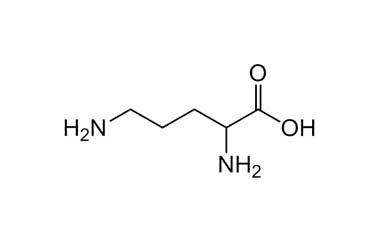
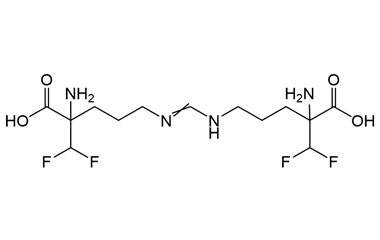

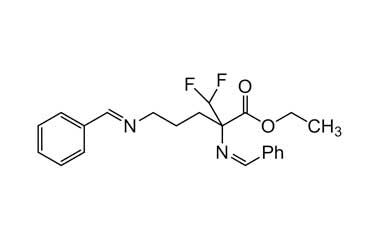
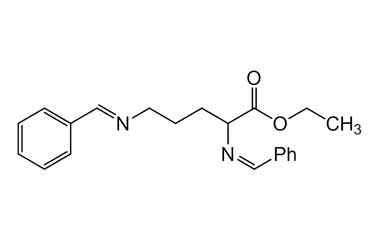
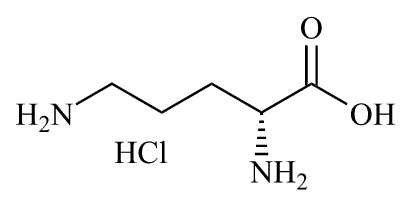
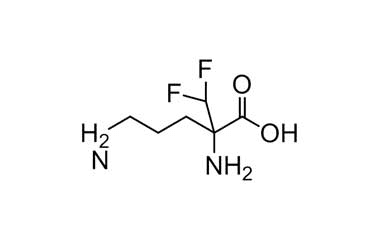
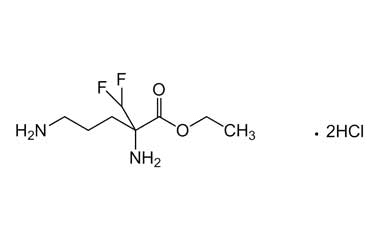
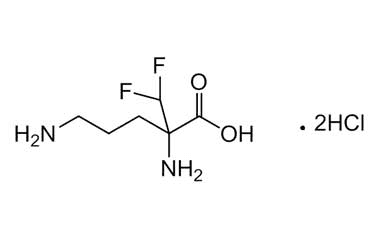
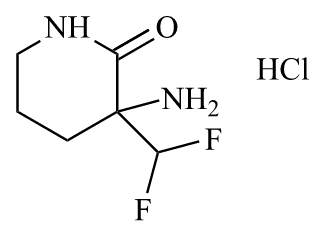
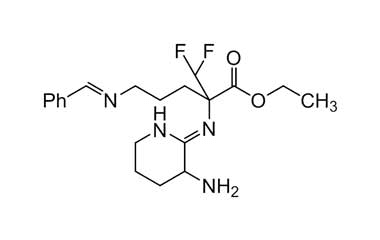
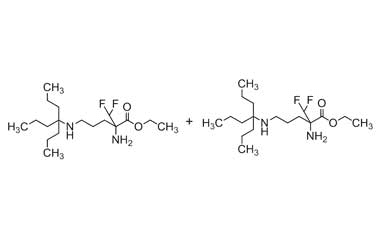
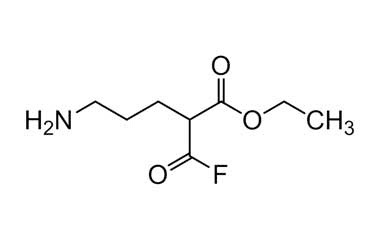
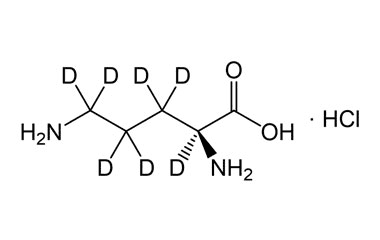
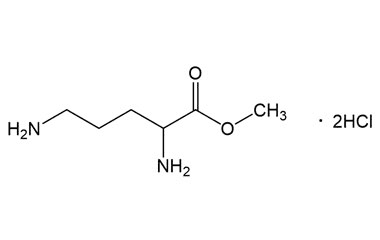
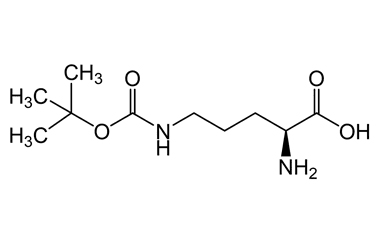
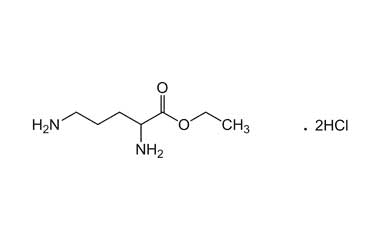
L-ornithine is a non-proteinogenic amino acid that functions as a critical intermediate in the urea cycle and acts as a substrate for the enzyme ornithine transcarbamylase. Medically, it is used in the management of ornithine transcarbamylase deficiency, a rare metabolic disorder associated with the abnormal accumulation of this compound in the body. This category provides a comprehensive selection of reference standards, including synthetic derivatives, pharmacopeial and non-pharmacopeial impurities, and stable isotope labelled compounds, designed to support rigorous analytical testing. Pharmaceutical laboratories rely on these high-quality materials for accurate impurity profiling, method validation, and the development of robust quality control protocols. Furthermore, the inclusion of stable isotope labelled variants allows for precise quantification using mass spectrometry, ensuring the accuracy and reliability of analytical data throughout the drug development lifecycle and manufacturing processes.

