India +91 94223 00020abhay@splendidlab.comISO 17034:2016 · GLP certified
Labetalol is a mixed alpha- and beta-adrenergic antagonist primarily indicated for the treatment of hypertension, including hypertensive emergencies and hypertension during pregnancy. This pharmaceutical… Read more
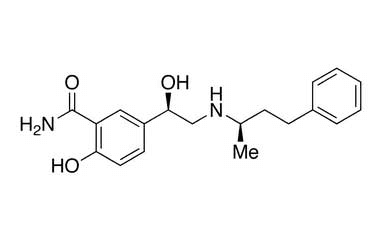
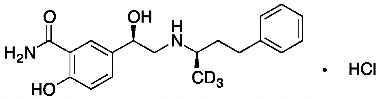
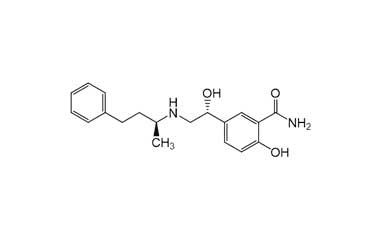
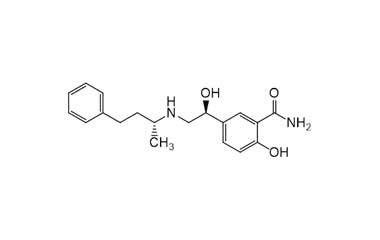
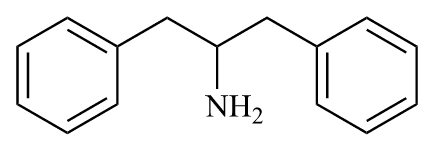
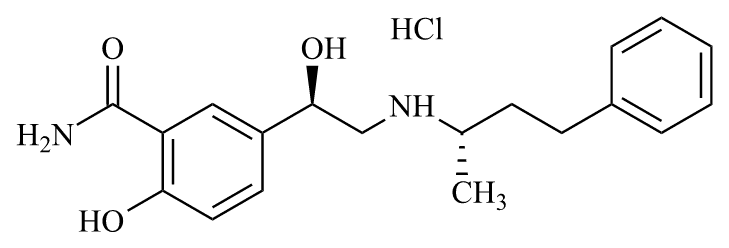
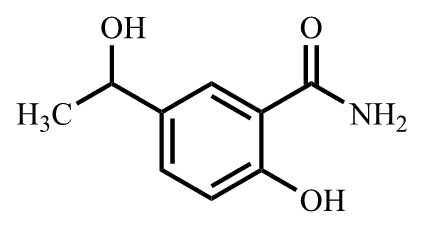

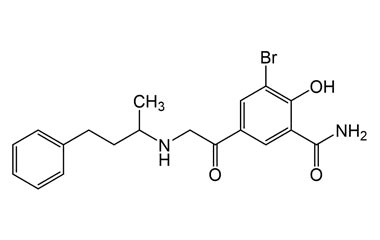
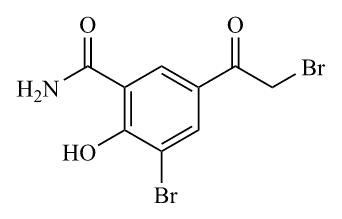
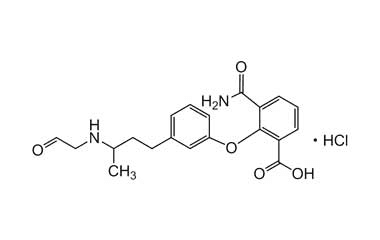
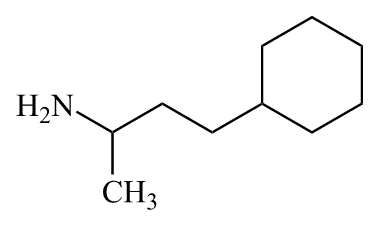

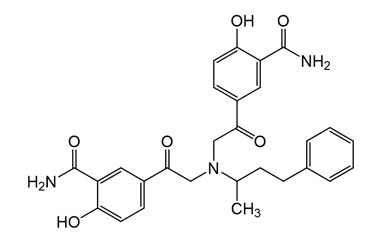
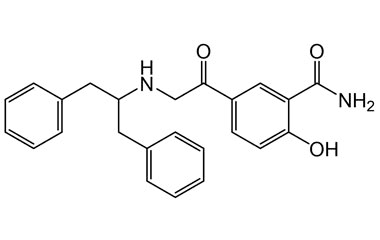
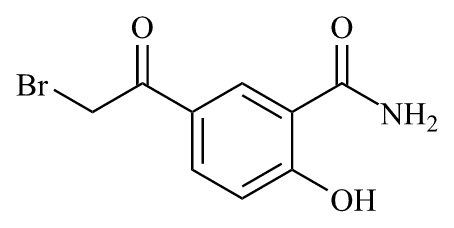
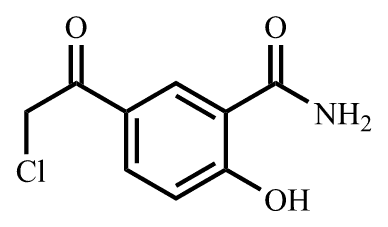
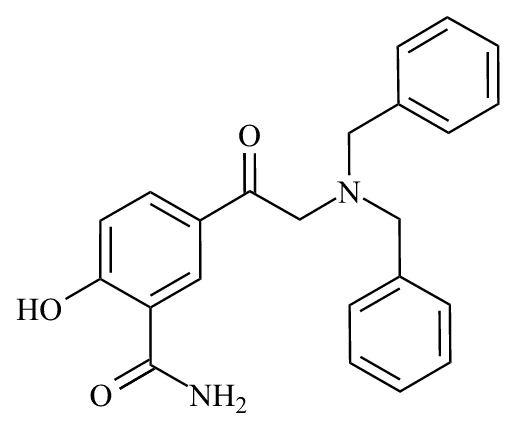
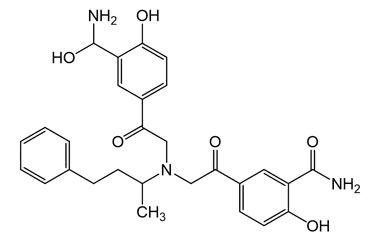
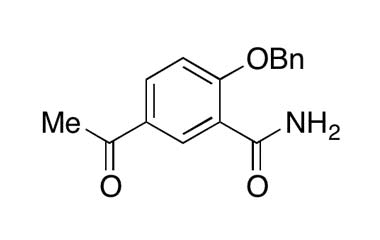

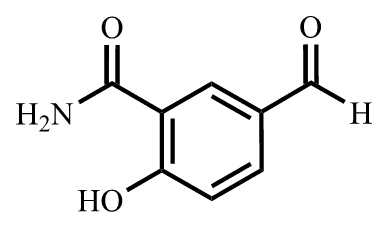

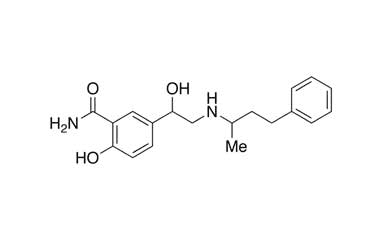

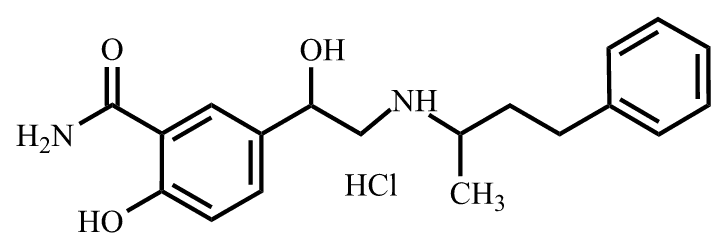


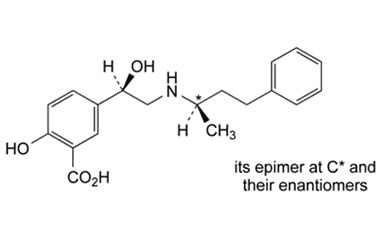
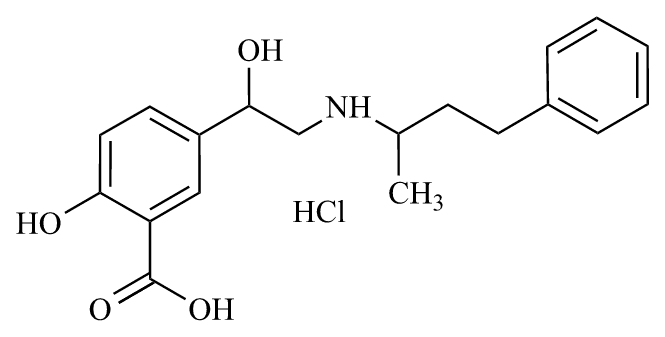
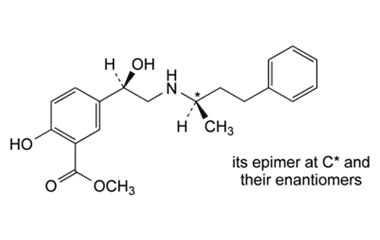
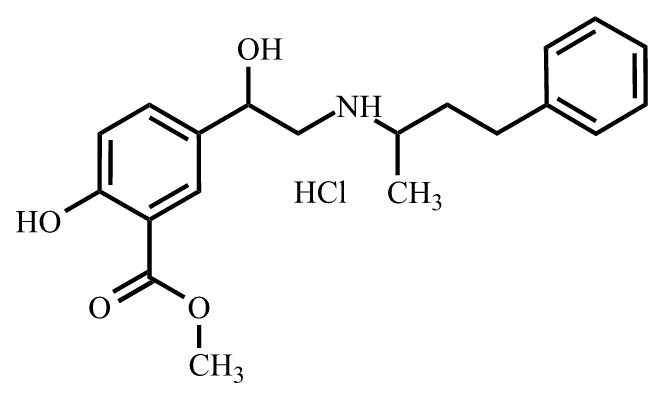
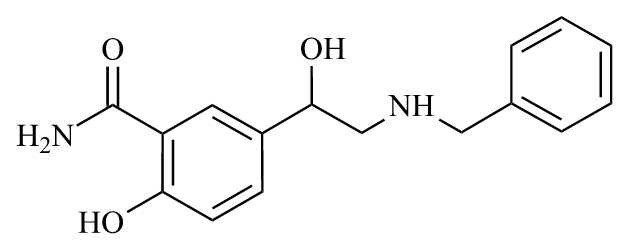
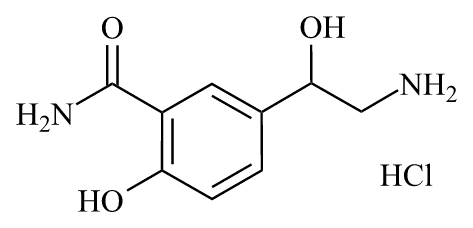
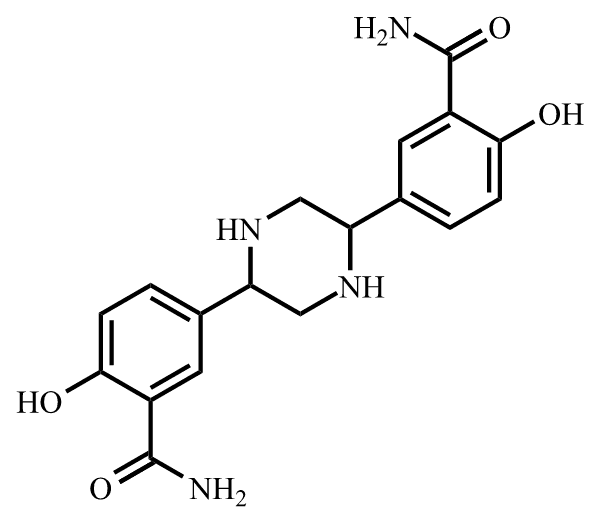
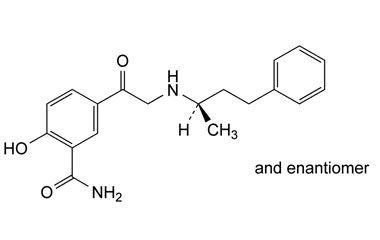
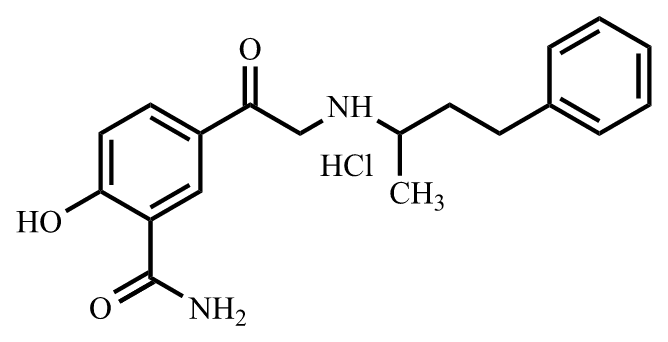
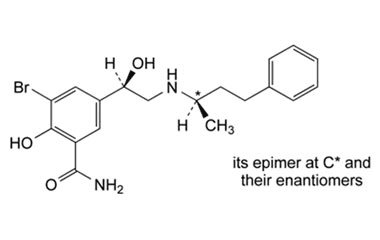
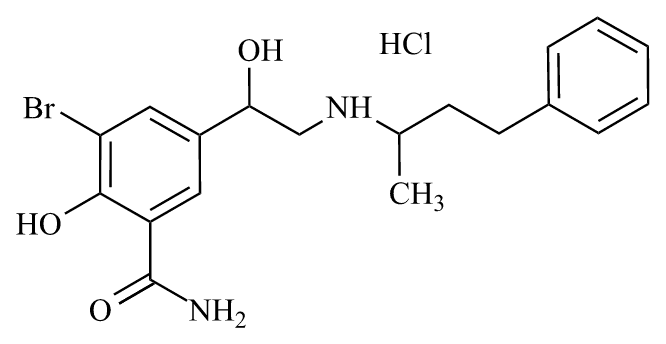


Labetalol is a mixed alpha- and beta-adrenergic antagonist primarily indicated for the treatment of hypertension, including hypertensive emergencies and hypertension during pregnancy. This pharmaceutical agent works by blocking beta-1, beta-2, and alpha-1 receptors to reduce blood pressure, decrease vascular resistance, and manage heart rate. The category of Labetalol encompasses essential analytical tools, including reference standards for the parent drug, various pharmacopeial and non-pharmacopeial impurities, and stable isotope labelled compounds. These materials are critical for laboratories to perform accurate impurity profiling, facilitate method validation, and ensure stringent quality control. By utilizing these high-quality standards, analytical chemists can reliably quantify analytes in pharmaceutical formulations, monitor degradation products, and maintain compliance with regulatory standards throughout the drug development and manufacturing lifecycle.

