India +91 94223 00020abhay@splendidlab.comISO 17034:2016 · GLP certified
Lapatinib is a dual tyrosine kinase inhibitor targeting EGFR and HER2, primarily indicated for the treatment of HER2-positive breast cancer. This category offers a comprehensive range of Lapatinib reference… Read more
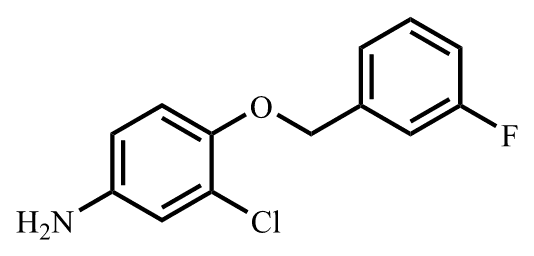


![Chemical structure of 5-[4-[[3-Chloro-4-[(3-fluorophenyl)methoxy]phenyl]amino]-6-quinazolinyl]-2-furancarboxaldehyde](/_next/image?url=https%3A%2F%2Fassets.splendidlab.com%2F231278-84-5-5-4-3-Chloro-4-3-fluorophenylmethoxyphenylamino-6-quinazolinyl-2-furancarboxaldehyde.png&w=3840&q=75)
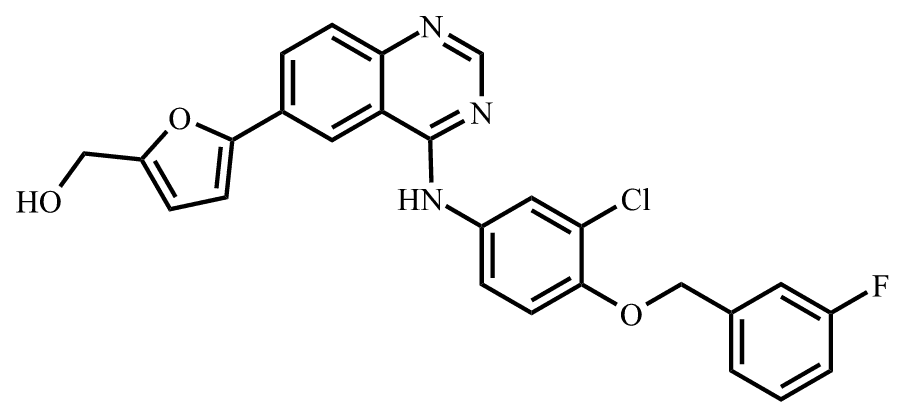
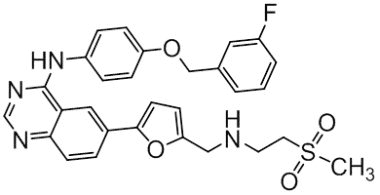
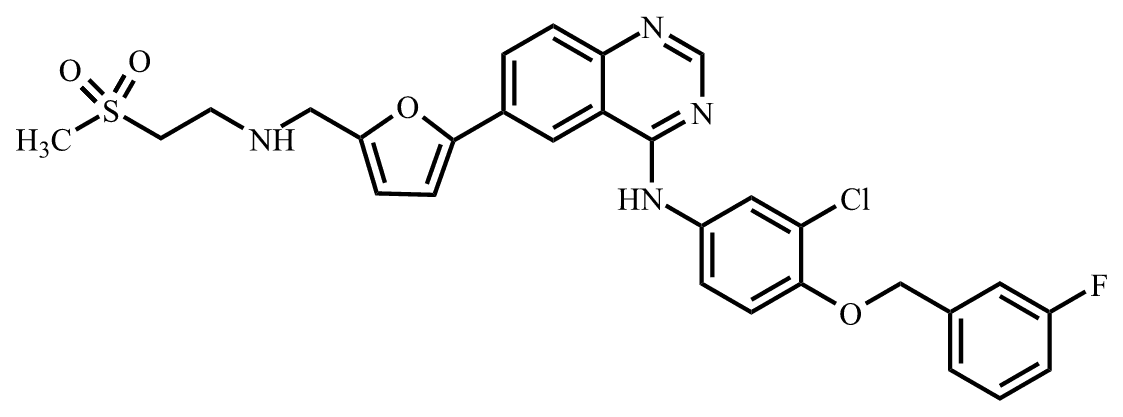
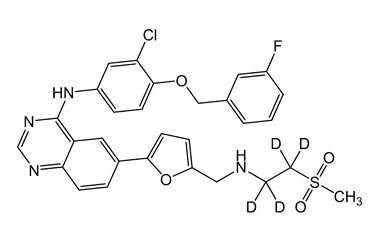
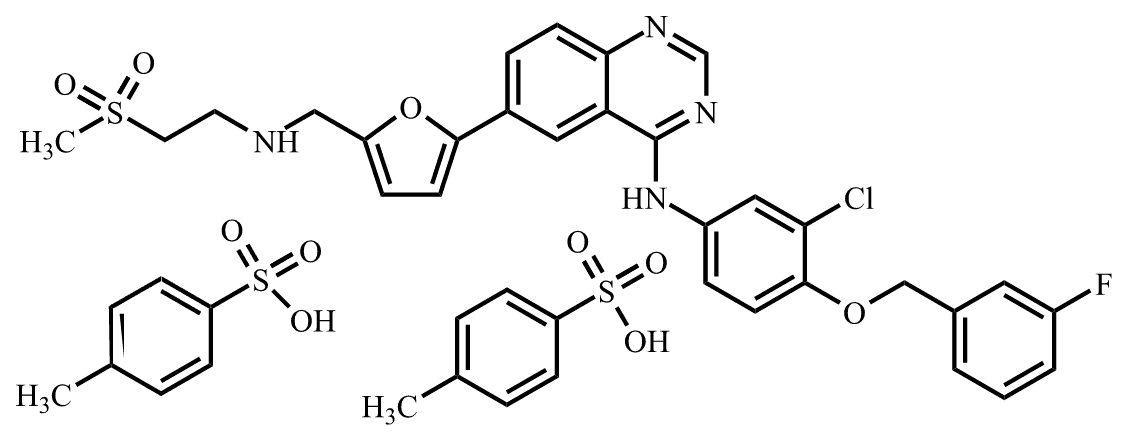
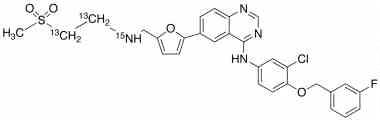
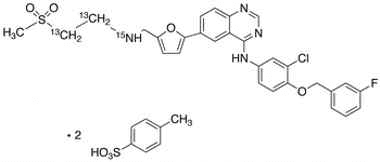
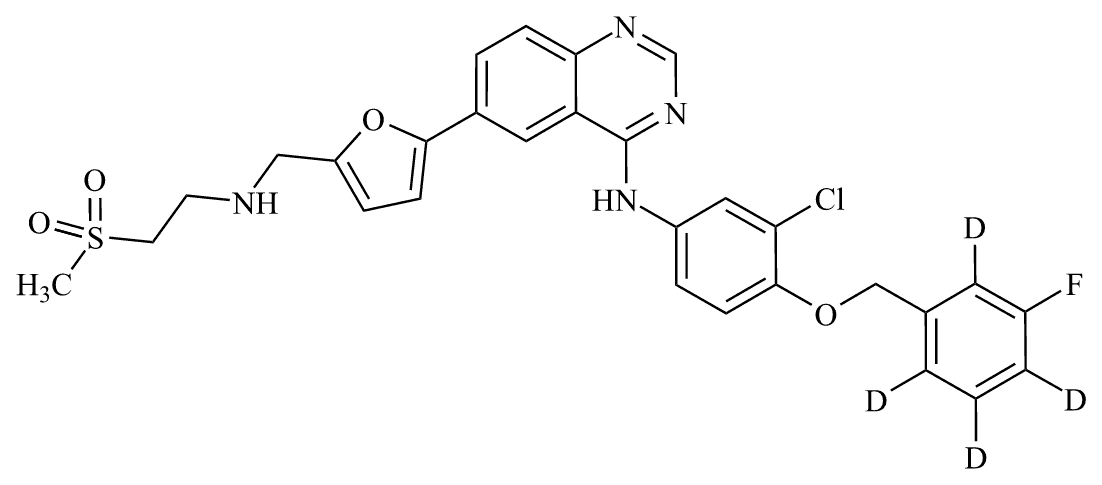
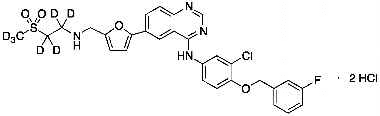
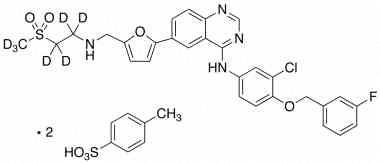

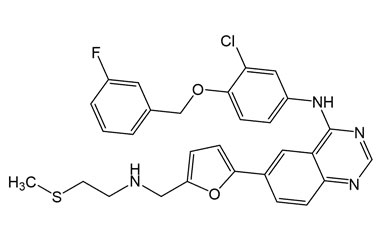
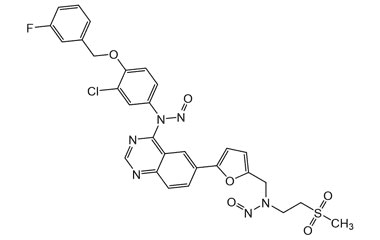


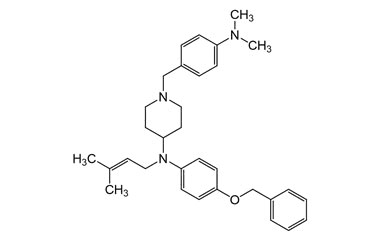

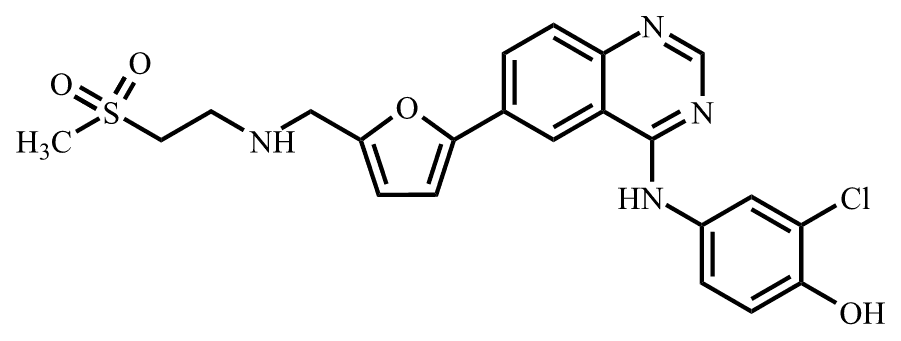
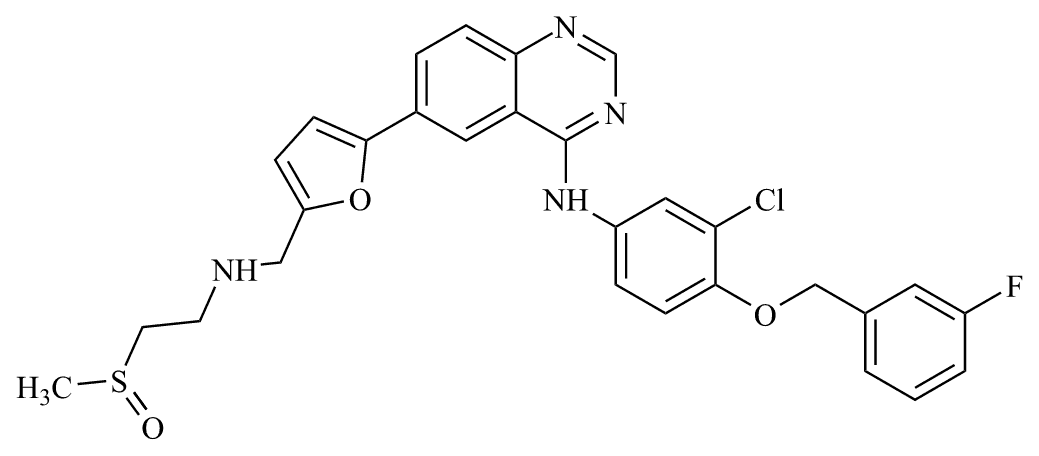
Lapatinib is a dual tyrosine kinase inhibitor targeting EGFR and HER2, primarily indicated for the treatment of HER2-positive breast cancer. This category offers a comprehensive range of Lapatinib reference standards, including the active pharmaceutical ingredient, critical impurities, and stable isotope labelled compounds. These materials are essential for pharmaceutical laboratories performing rigorous quality control and analytical method validation. Laboratories utilize these standards for precise impurity profiling—including structurally related analogs and degradation products formed through pathways such as oxidation or hydrolysis—to ensure compliance with stringent regulatory guidelines. Additionally, stable isotope labelled Lapatinib compounds, such as deuterated and 13C/15N variants, serve as reliable internal standards for quantitative analysis in complex matrices, enabling accurate detection and quantification during drug development and stability testing.

