India +91 94223 00020abhay@splendidlab.comISO 17034:2016 · GLP certified
Leflunomide is an immunomodulatory drug indicated for the treatment of rheumatoid arthritis and psoriatic arthritis. By inhibiting the enzyme dihydroorotate dehydrogenase, this agent disrupts pyrimidine… Read more
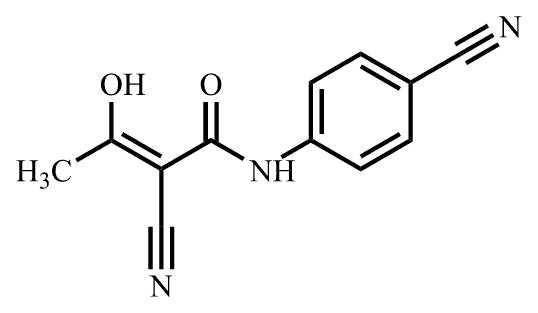
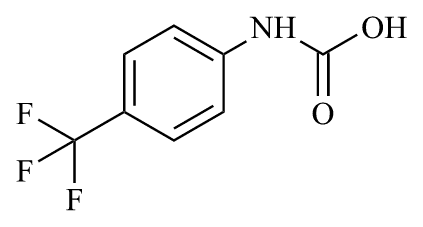
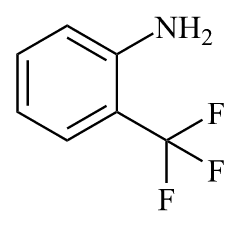
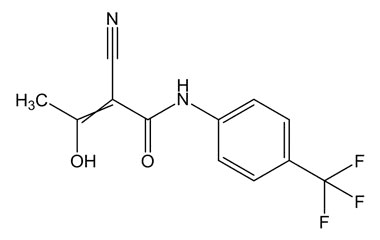
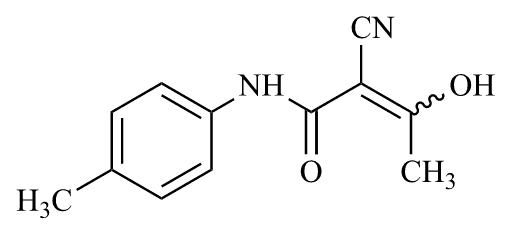



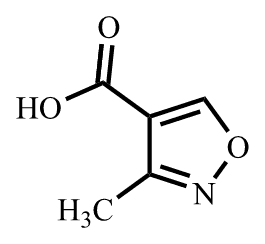
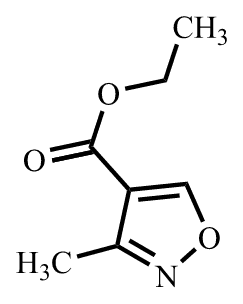
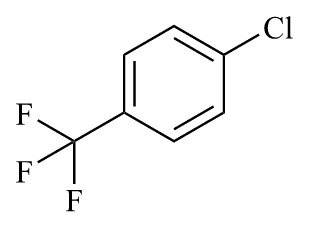

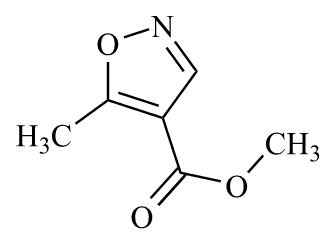


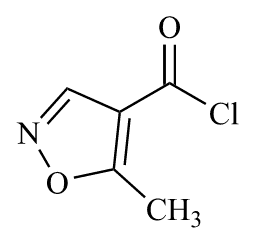
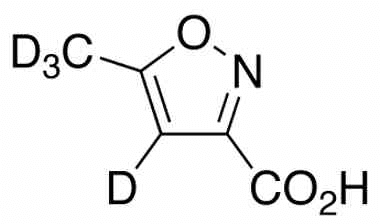


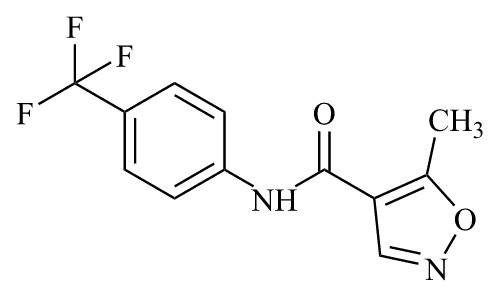
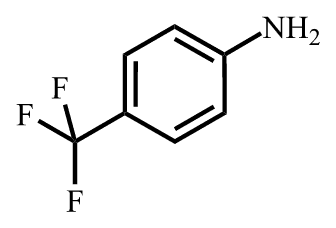
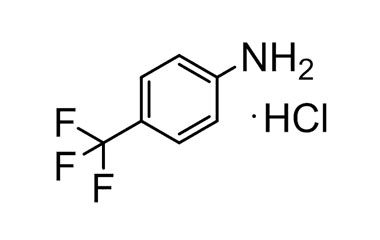
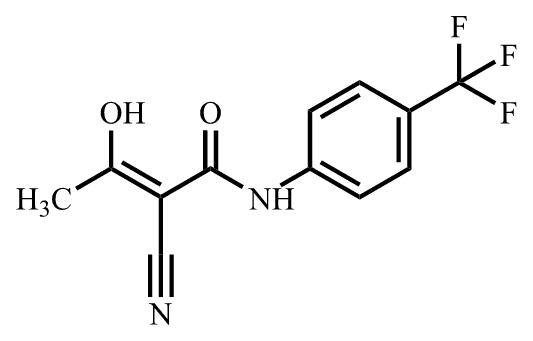
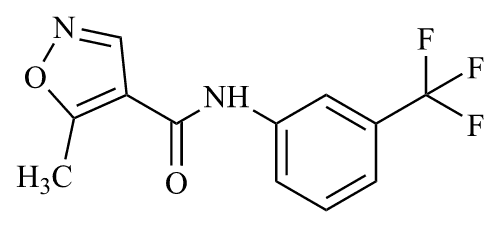
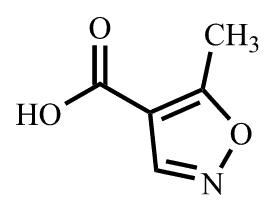
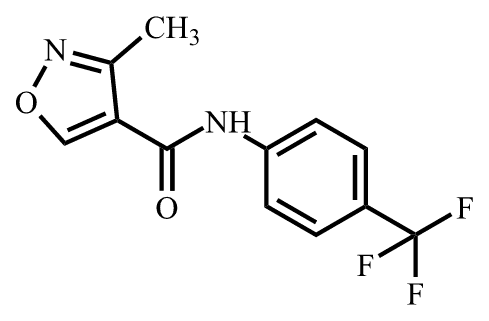
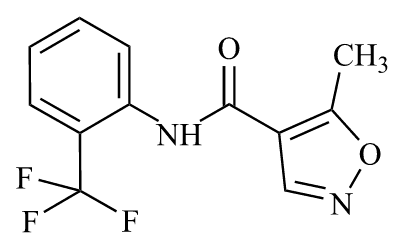
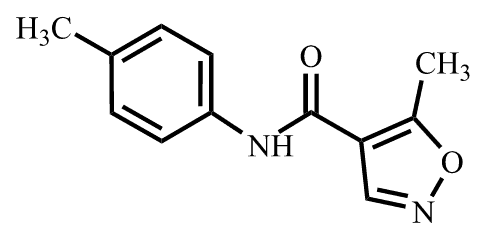
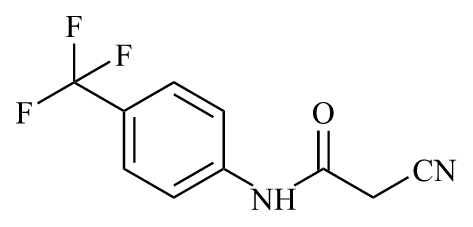
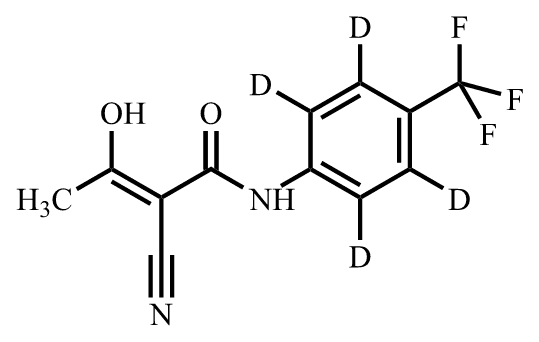


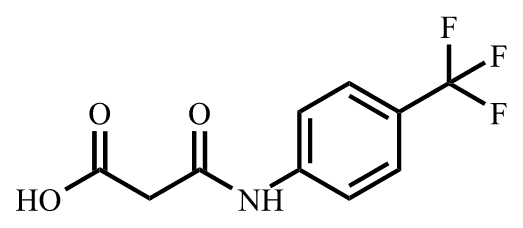
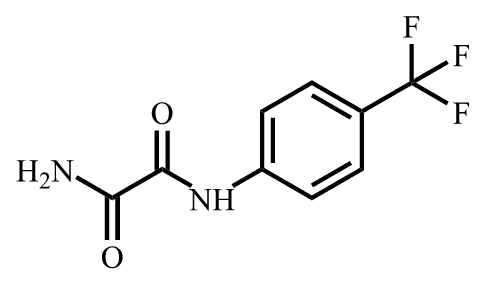
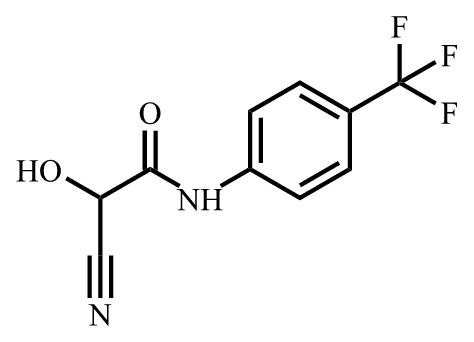
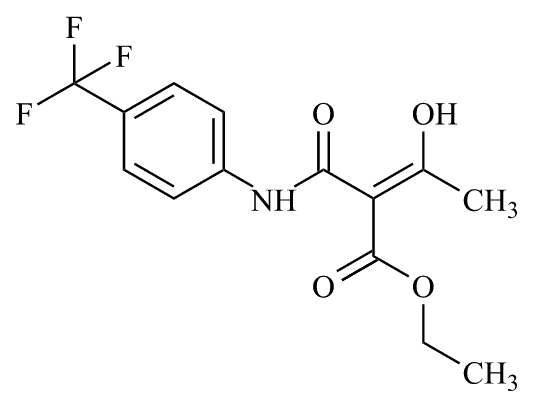
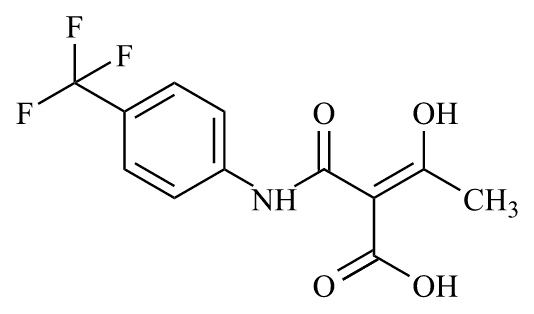
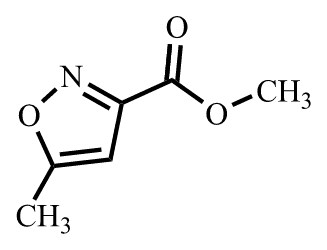
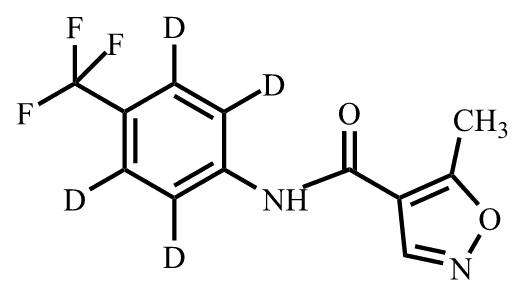

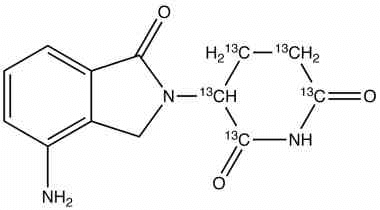
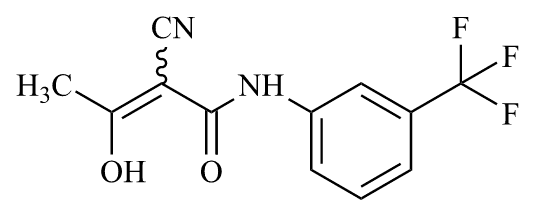
Leflunomide is an immunomodulatory drug indicated for the treatment of rheumatoid arthritis and psoriatic arthritis. By inhibiting the enzyme dihydroorotate dehydrogenase, this agent disrupts pyrimidine synthesis, a process essential for DNA and RNA production. Laboratories rely on comprehensive reference standards of Leflunomide to ensure accuracy in pharmaceutical quality control and regulatory compliance. This category encompasses a wide range of pharmacopeial and non-pharmacopeial impurities, degradation products, and structurally related analogs, all of which are vital for robust impurity profiling and method validation. Additionally, the availability of stable isotope labelled compounds provides scientists with precise tools for quantitative analysis and reliable internal standards in complex chromatographic and spectroscopic studies. These essential materials support detailed analytical testing throughout the development and manufacturing lifecycle, ensuring that pharmaceutical preparations meet strict safety and efficacy specifications.

