India +91 94223 00020abhay@splendidlab.comISO 17034:2016 · GLP certified
Levomepromazine, also known as methotrimeprazine, is a phenothiazine-class neuroleptic agent used in the treatment of schizophrenia, mania, and severe nausea or vomiting. Because pharmaceutical laboratories… Read more

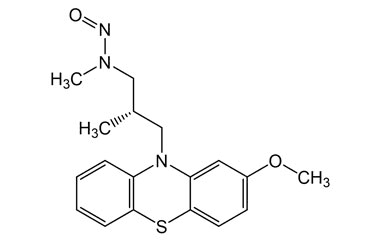


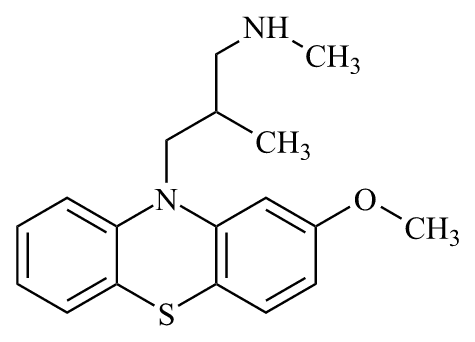


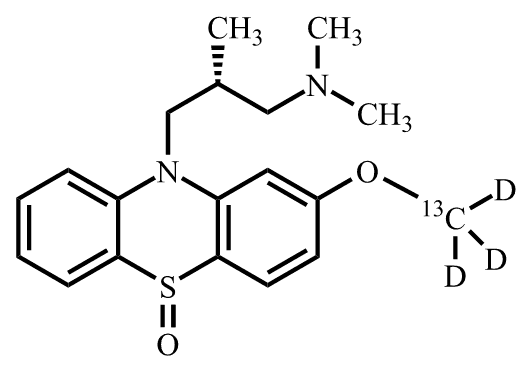


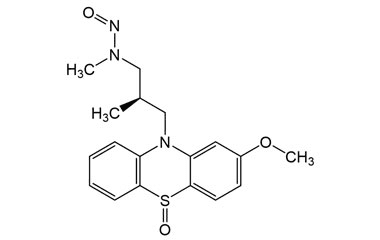
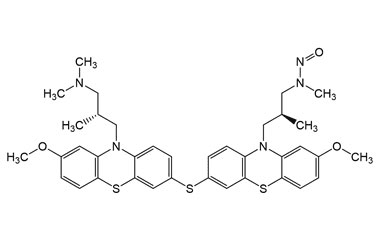


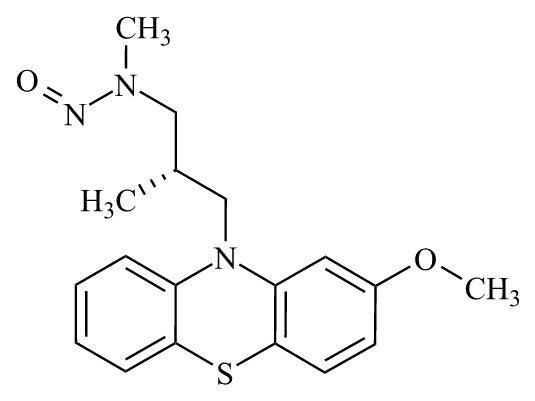

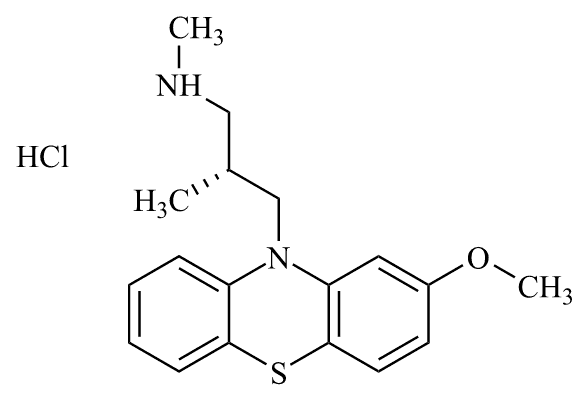


Levomepromazine, also known as methotrimeprazine, is a phenothiazine-class neuroleptic agent used in the treatment of schizophrenia, mania, and severe nausea or vomiting. Because pharmaceutical laboratories must ensure the safety and efficacy of this medication, this category provides essential reference standards for the active pharmaceutical ingredient, as well as a comprehensive range of related compounds for analytical testing. These products include pharmacopeial and non-pharmacopeial impurities, such as specific sulfoxides and desmethyl derivatives, which are necessary for accurate impurity profiling and method validation. Additionally, stable isotope labelled compounds are available to serve as internal standards for mass spectrometry and high-performance liquid chromatography applications. Together, these high-quality reference materials support rigorous quality control processes, enabling laboratories to precisely identify and quantify contaminants or degradation products within levomepromazine formulations.

