India +91 94223 00020abhay@splendidlab.comISO 17034:2016 · GLP certified
Lidocaine is a widely used amide-type local anesthetic and class Ib antiarrhythmic agent that functions by blocking voltage-gated sodium channels to inhibit nerve impulse transmission and stabilize cardiac… Read more
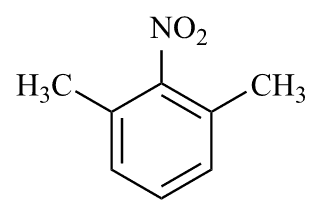
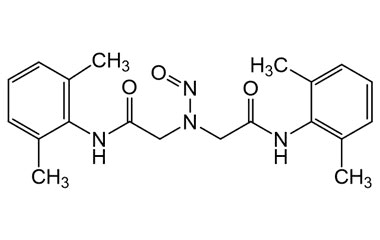
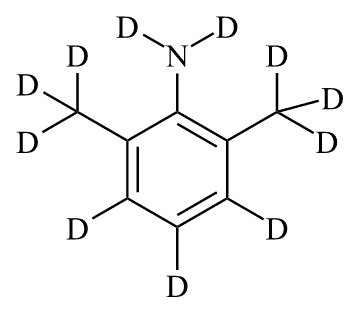

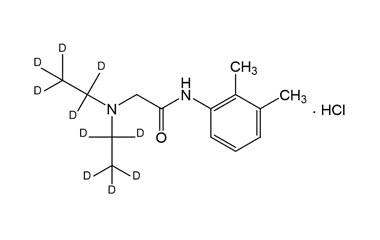


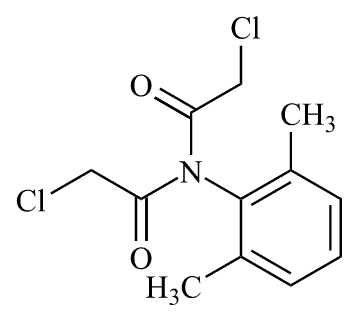


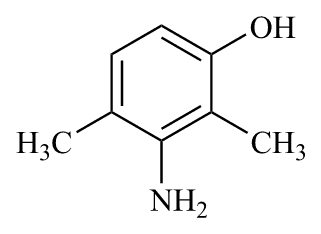


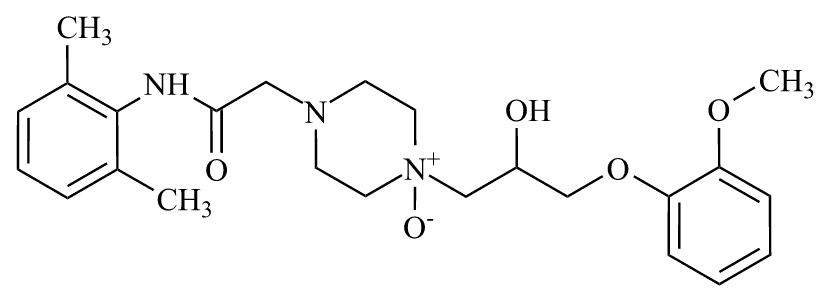


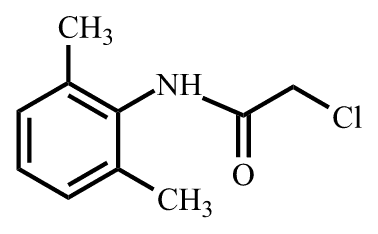


Lidocaine is a widely used amide-type local anesthetic and class Ib antiarrhythmic agent that functions by blocking voltage-gated sodium channels to inhibit nerve impulse transmission and stabilize cardiac electrical activity. This category provides a comprehensive selection of pharmaceutical reference standards to support rigorous quality control and analytical testing of lidocaine and its associated compounds. These include pharmacopeial and non-pharmacopeial impurities, synthetic analogs, and degradation products, which are essential for accurate impurity profiling and method validation throughout the drug development lifecycle. Additionally, researchers rely on stable isotope-labelled compounds as critical internal standards for mass spectrometry-based bioanalytical studies. By utilizing these highly characterized materials, laboratories can ensure the precision, reproducibility, and regulatory compliance of their analytical methods when identifying, quantifying, and controlling the levels of lidocaine, its metabolites, and potential process-related contaminants in various pharmaceutical formulations.

