India +91 94223 00020abhay@splendidlab.comISO 17034:2016 · GLP certified
Lincomycin is a lincosamide antibiotic derived from Streptomyces lincolnensis that functions as a protein synthesis inhibitor by binding to the 50S ribosomal subunit of susceptible bacteria. It is primarily… Read more
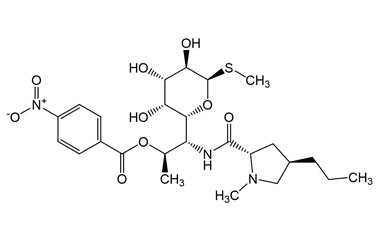
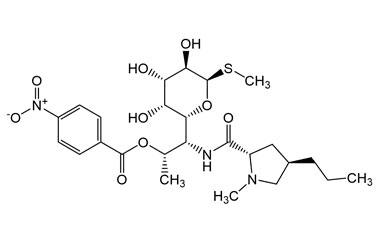
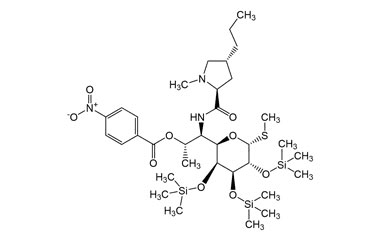

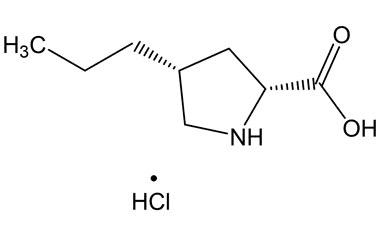
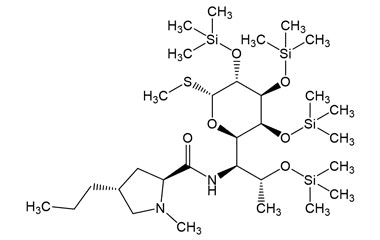

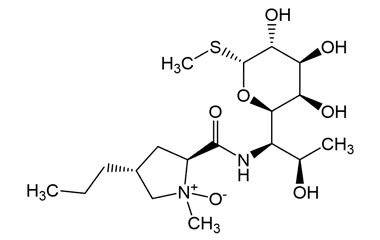


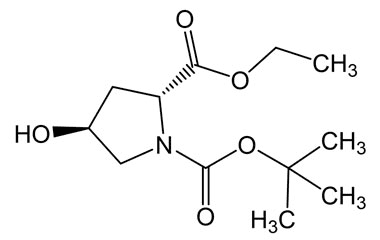
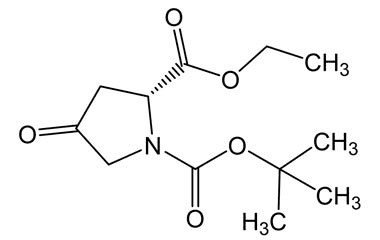
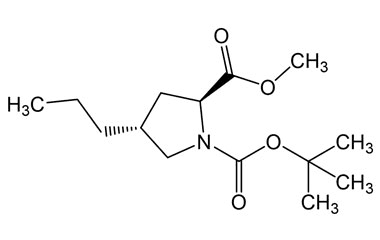
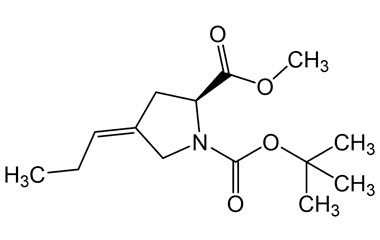
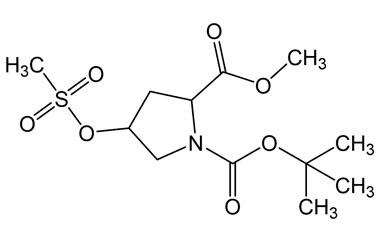

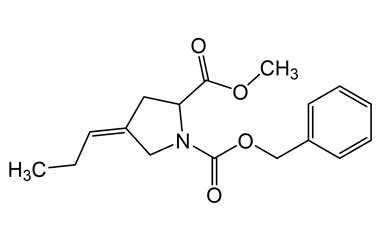

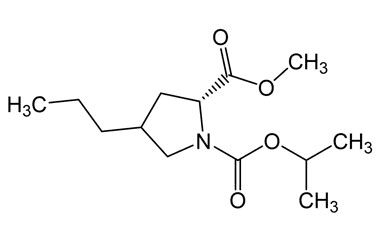
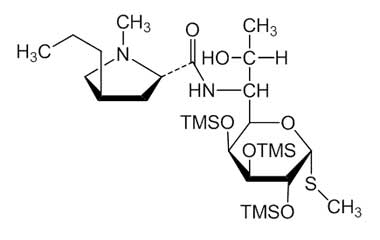
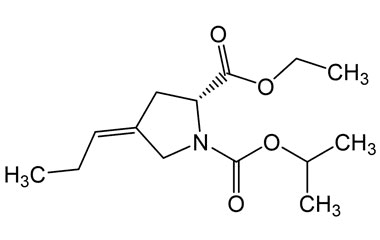
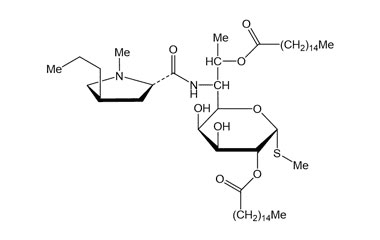
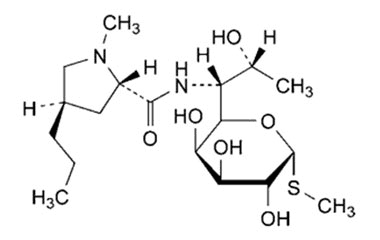
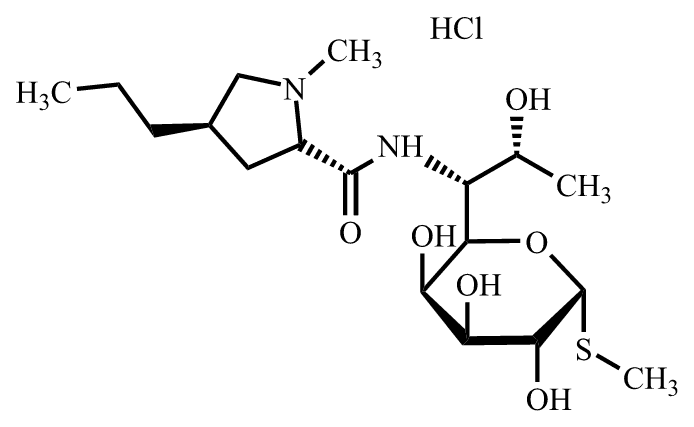

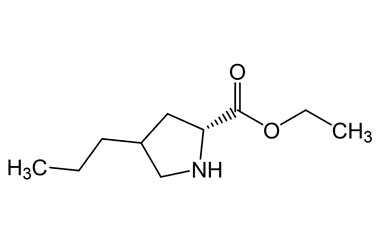
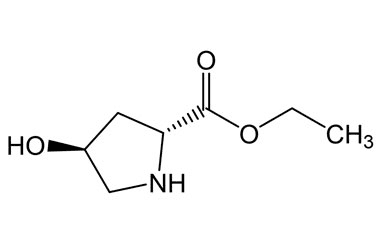
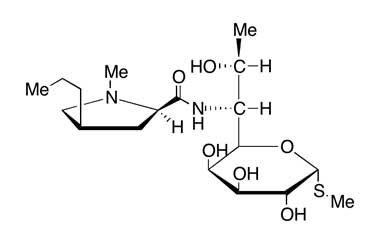
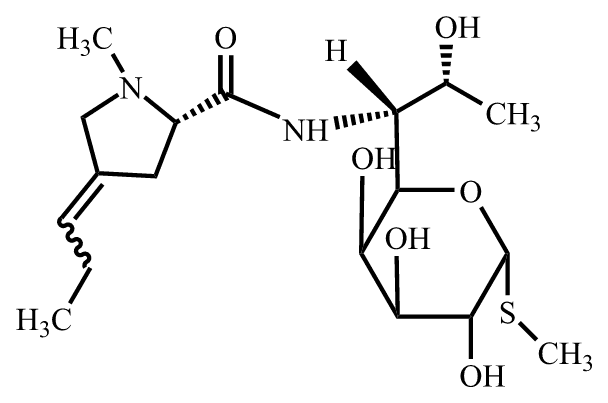
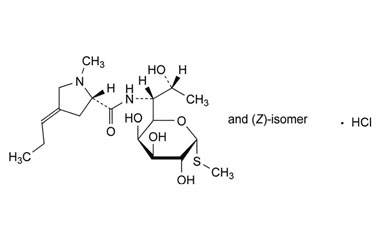
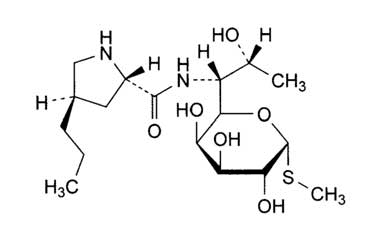
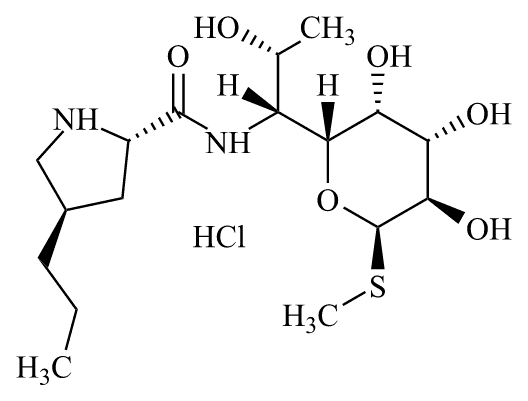
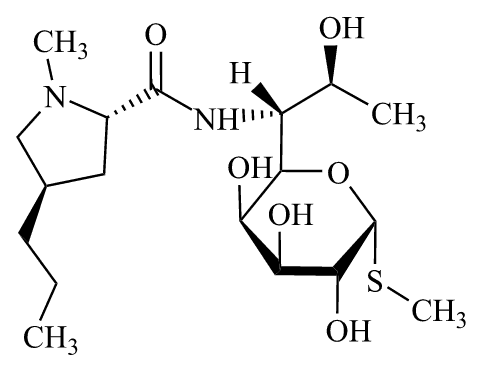
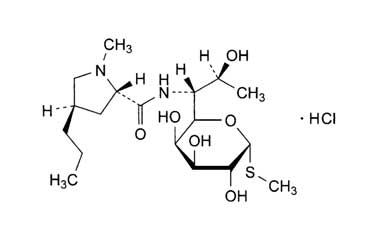
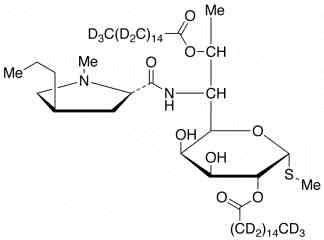
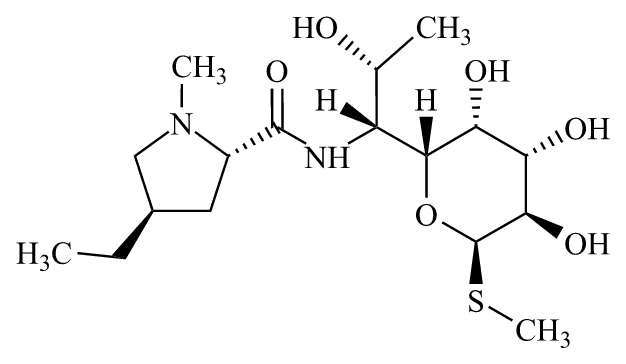
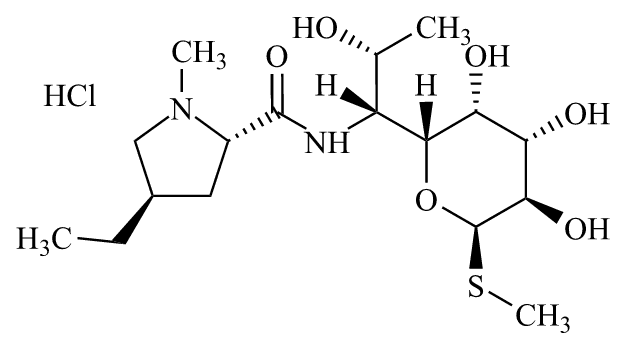
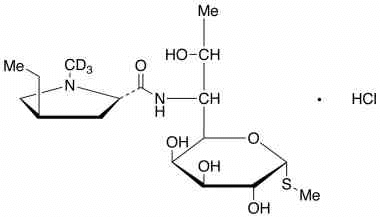

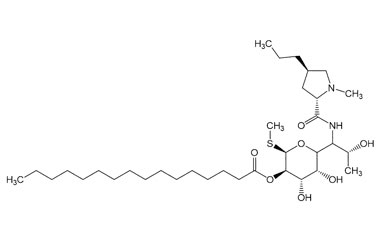
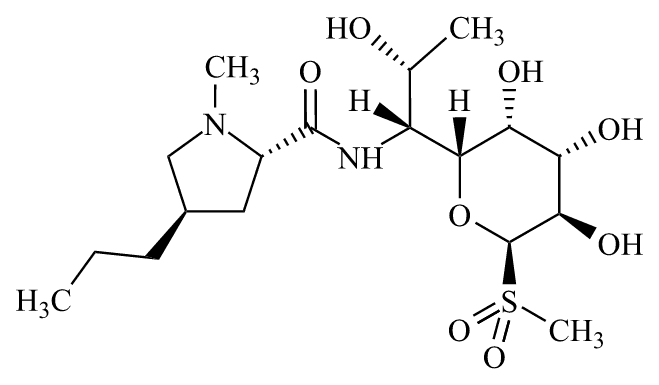
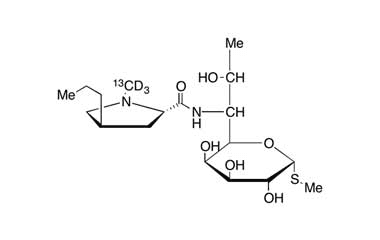
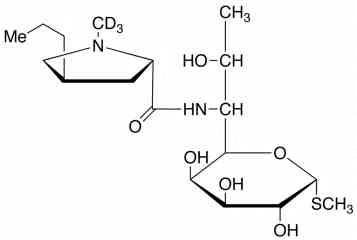
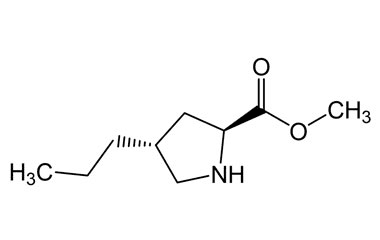

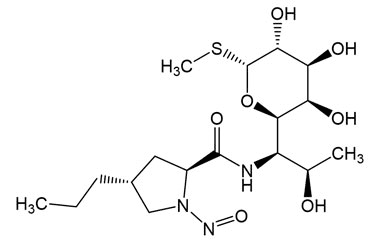
Lincomycin is a lincosamide antibiotic derived from Streptomyces lincolnensis that functions as a protein synthesis inhibitor by binding to the 50S ribosomal subunit of susceptible bacteria. It is primarily indicated for the treatment of serious infections caused by gram-positive organisms, such as staphylococci and streptococci, particularly in patients who are allergic to penicillin. Within this catalogue, the collection of lincomycin reference standards, including pharmacopeial and non-pharmacopeial impurities, metabolites, and stable isotope labelled compounds, provides essential materials for rigorous analytical testing and quality control. Laboratories utilize these high-purity compounds for impurity profiling, method validation, and stability-indicating assays, ensuring regulatory compliance and accurate identification of degradation products or process-related contaminants. These standards support the development of robust analytical methods, while stable isotope labelled variants serve as critical internal standards for precise quantification in complex biological matrices via mass spectrometry.

