India +91 94223 00020abhay@splendidlab.comISO 17034:2016 · GLP certified
Liothyronine is a synthetic form of the thyroid hormone triiodothyronine (T3), which is utilized clinically for the management of hypothyroidism and myxedema coma. Pharmaceutical laboratories require access… Read more
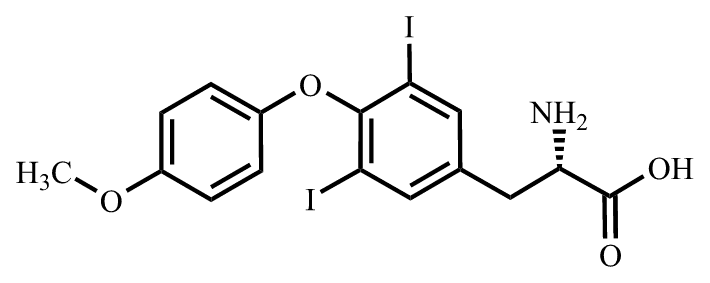
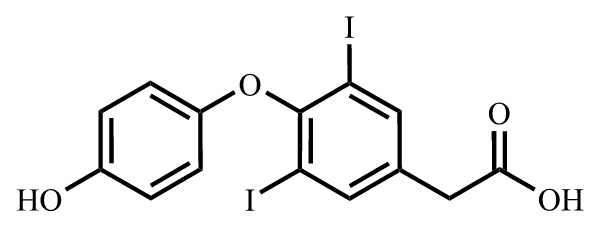
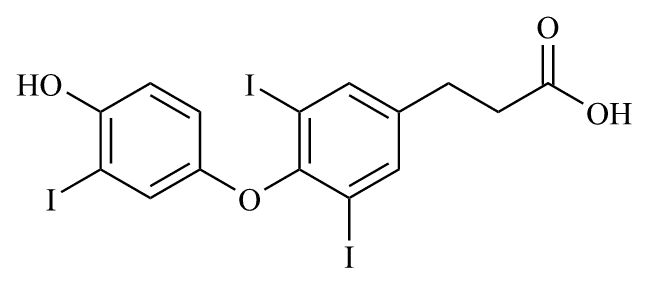

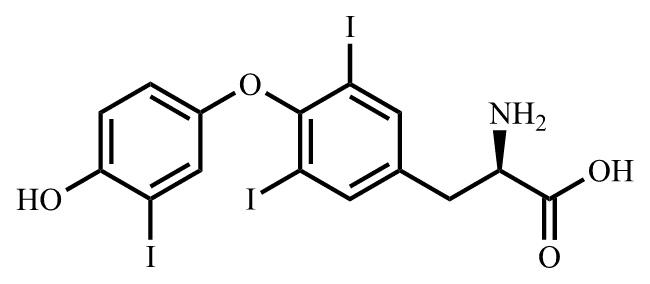


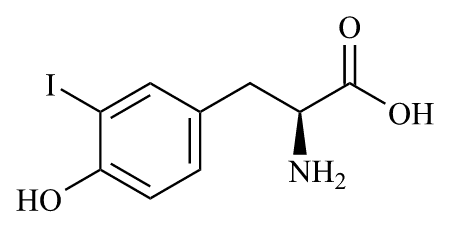
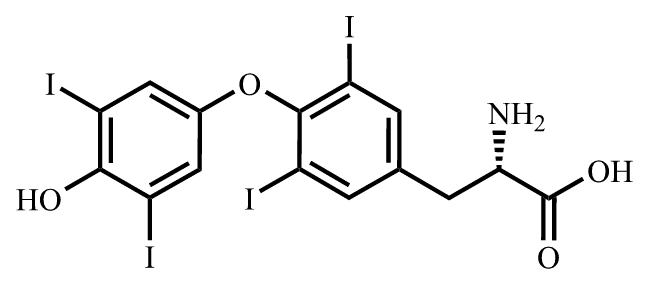


Liothyronine is a synthetic form of the thyroid hormone triiodothyronine (T3), which is utilized clinically for the management of hypothyroidism and myxedema coma. Pharmaceutical laboratories require access to a comprehensive range of Liothyronine reference standards, including impurities, metabolites, and stable isotope-labelled compounds, to support rigorous quality control and regulatory compliance. These analytical standards are essential for characterizing the impurity profile of the active pharmaceutical ingredient, encompassing degradation products formed through pathways such as oxidative deiodination, hydrolysis, and Maillard-type reactions with excipients like lactose. By utilizing these materials, researchers can perform accurate impurity profiling and validate analytical methods for stability studies. Stable isotope-labelled compounds provide reliable internal standards for quantitative analysis, ensuring the precision necessary for monitoring drug potency and safety during formulation development and routine quality testing.

