India +91 94223 00020abhay@splendidlab.comISO 17034:2016 · GLP certified
Lithocholic acid is a secondary bile acid that belongs to the cholic acid family and is frequently investigated in preclinical research to assess biliary excretion, hepatotoxicity, and mechanisms related… Read more

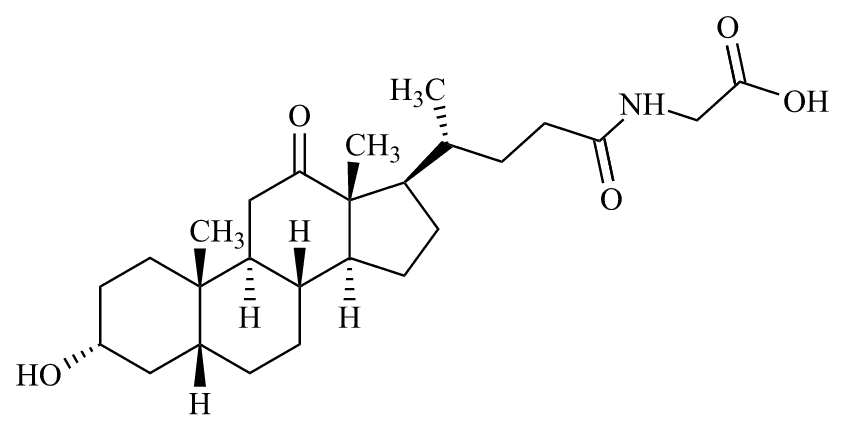
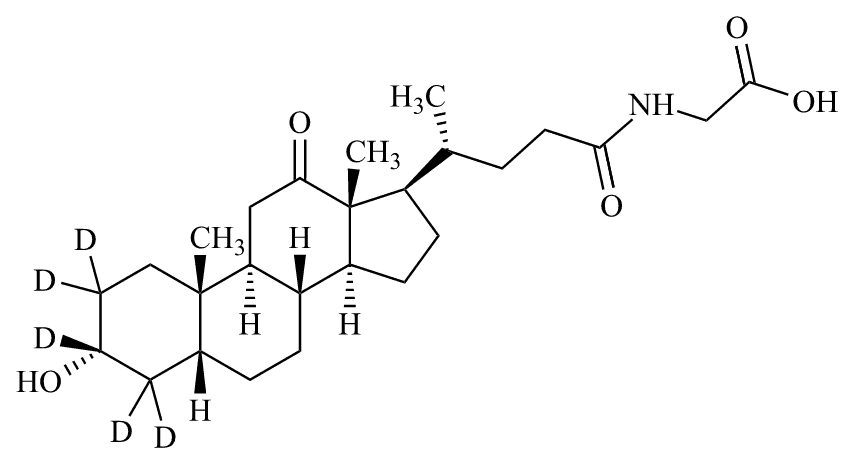
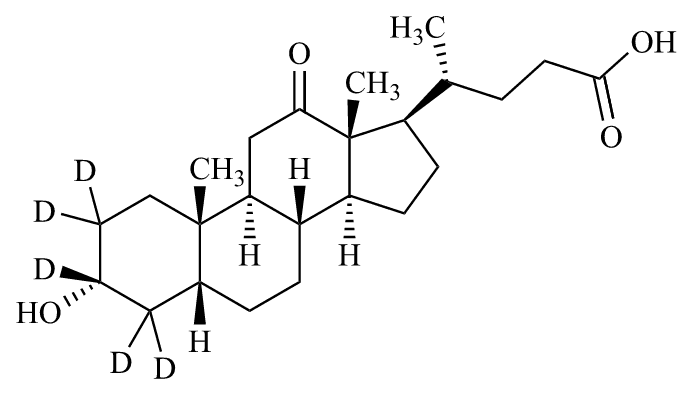
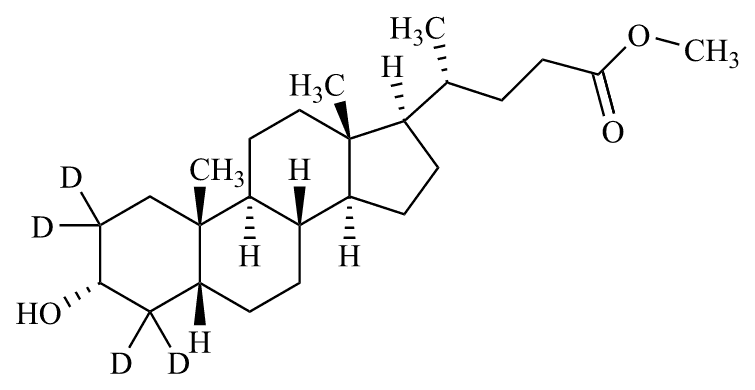
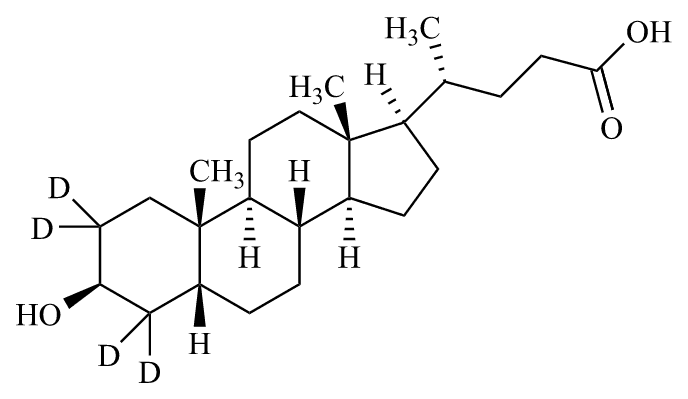
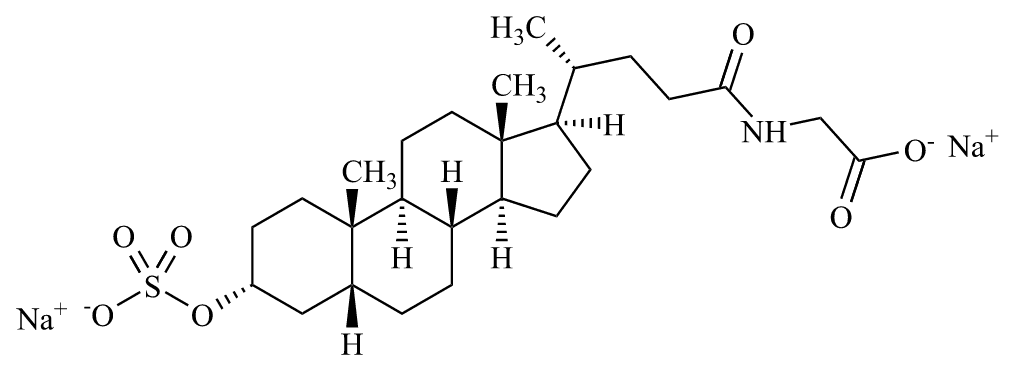
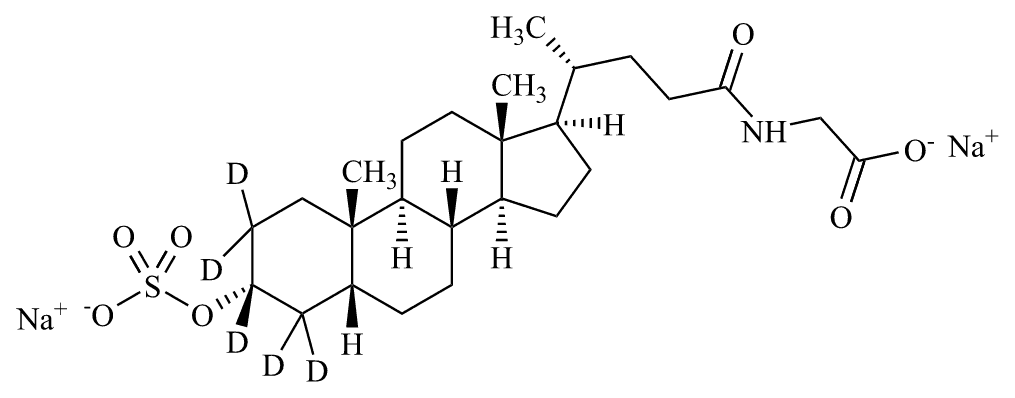

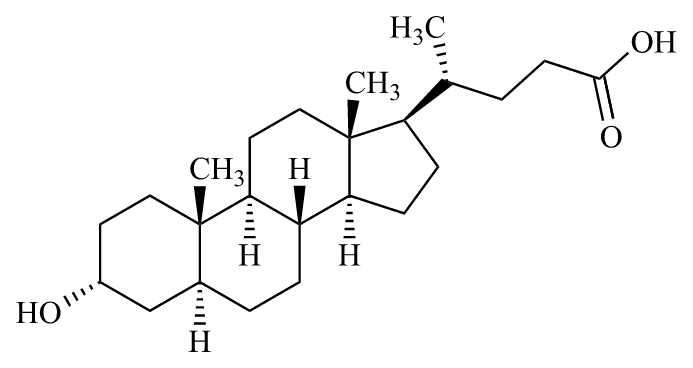
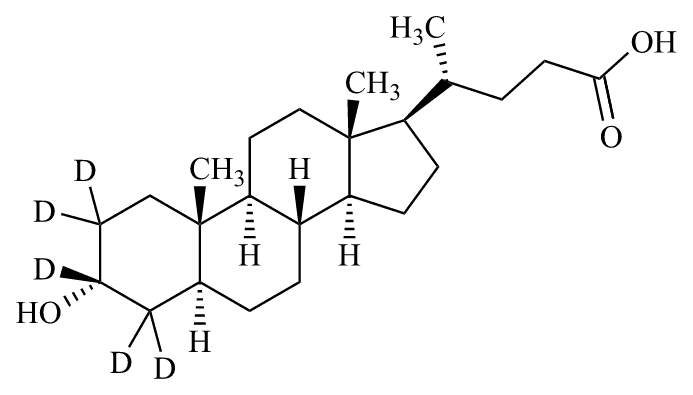

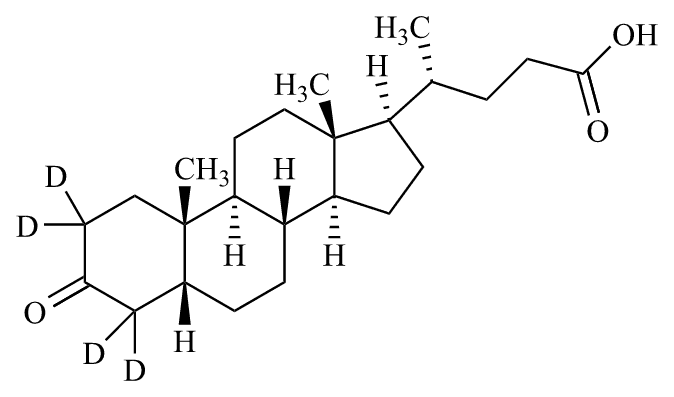
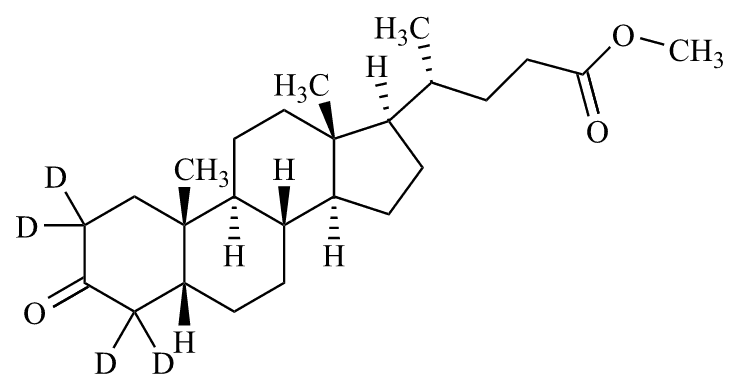
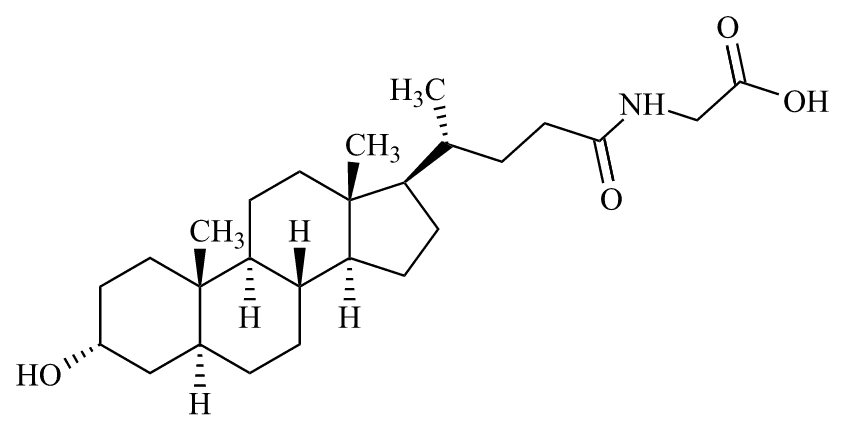
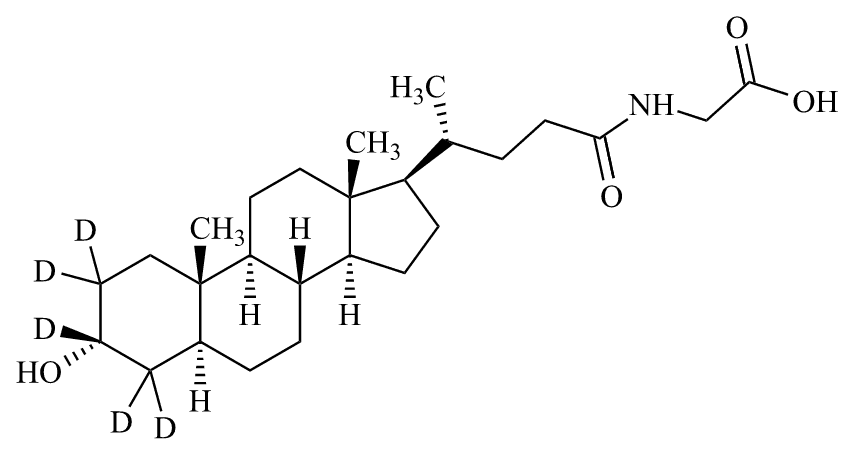
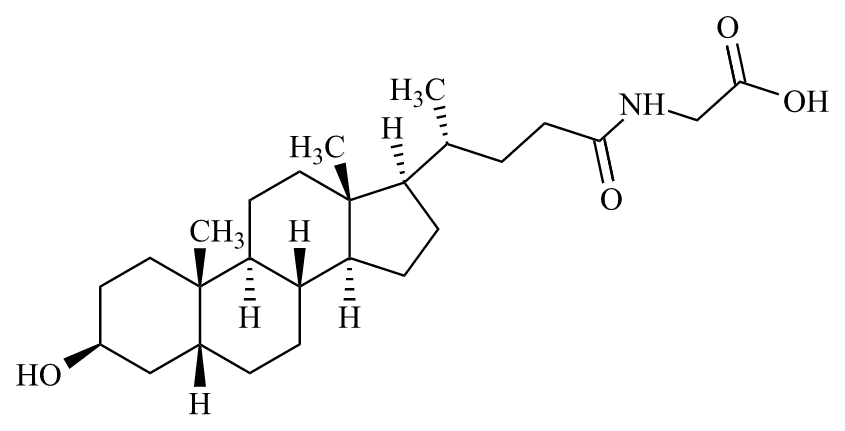
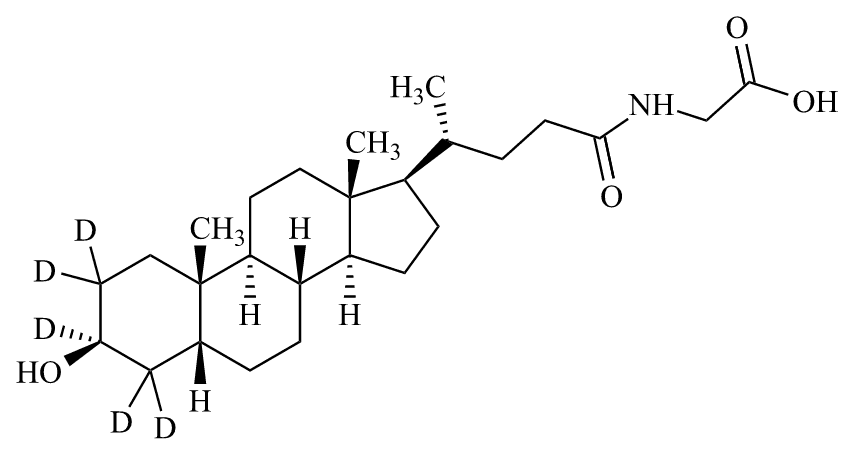
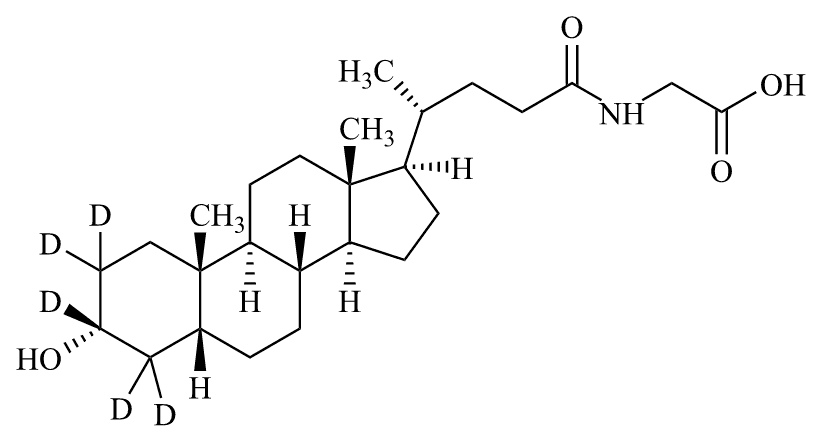
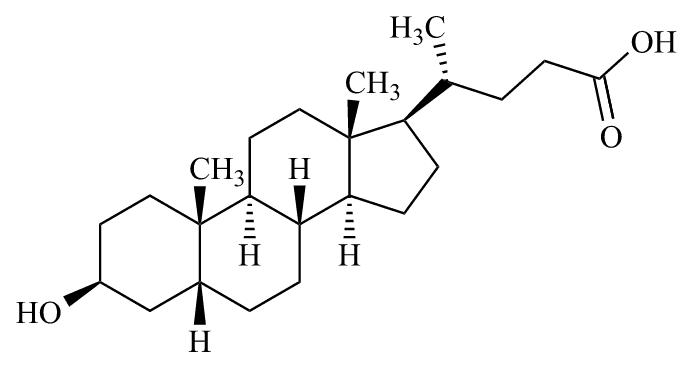
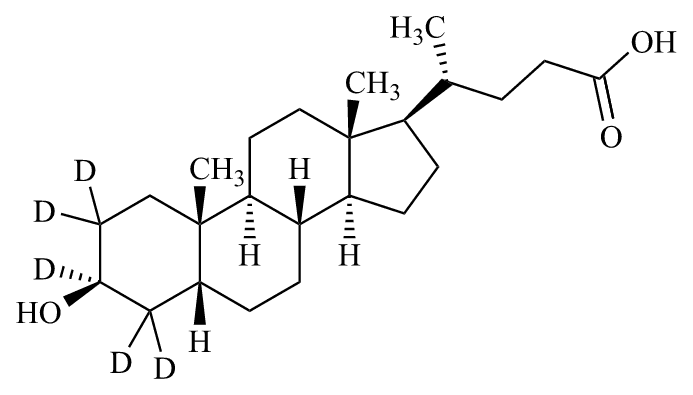
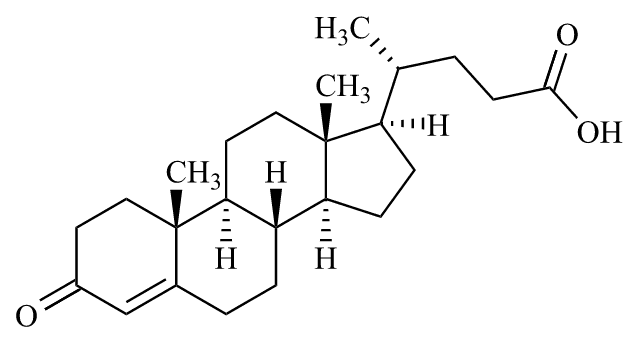
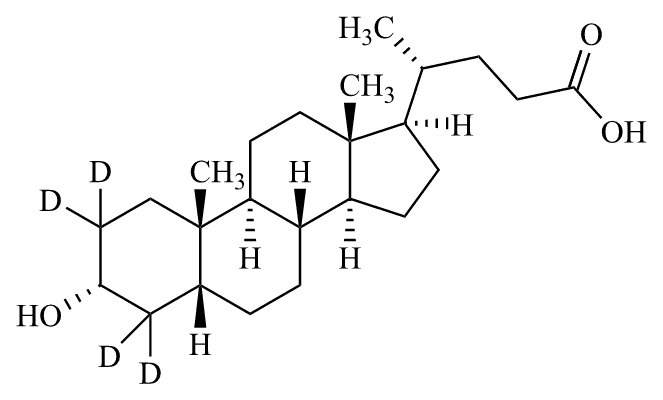
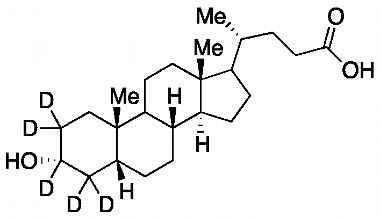
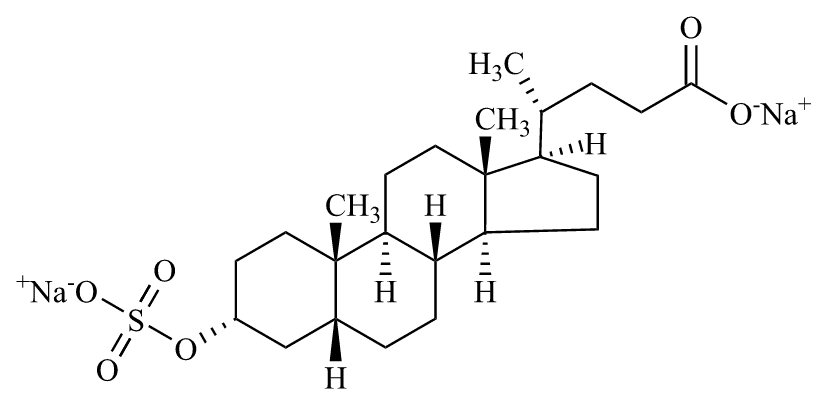
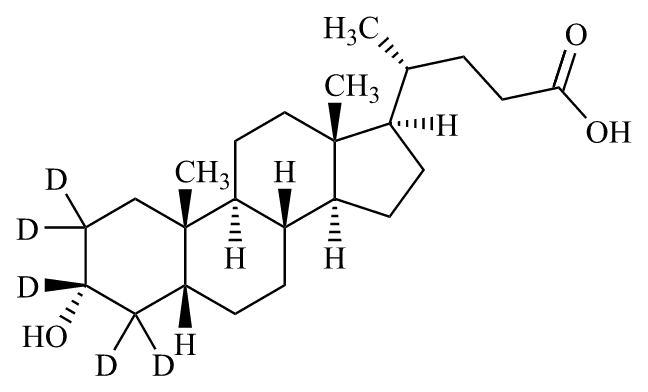
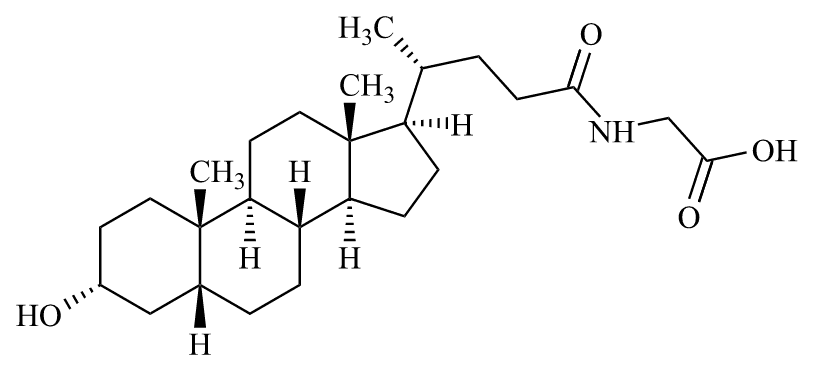
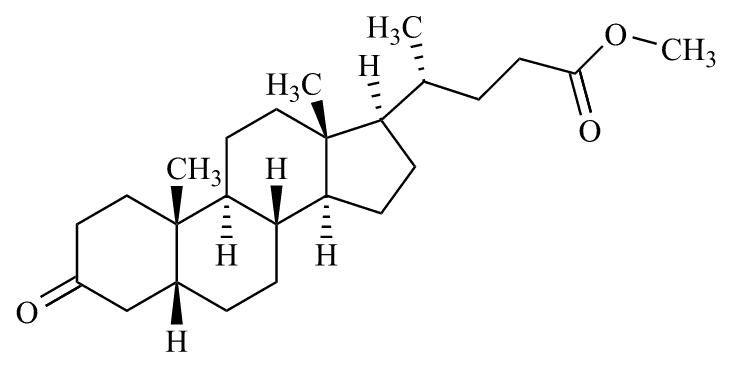
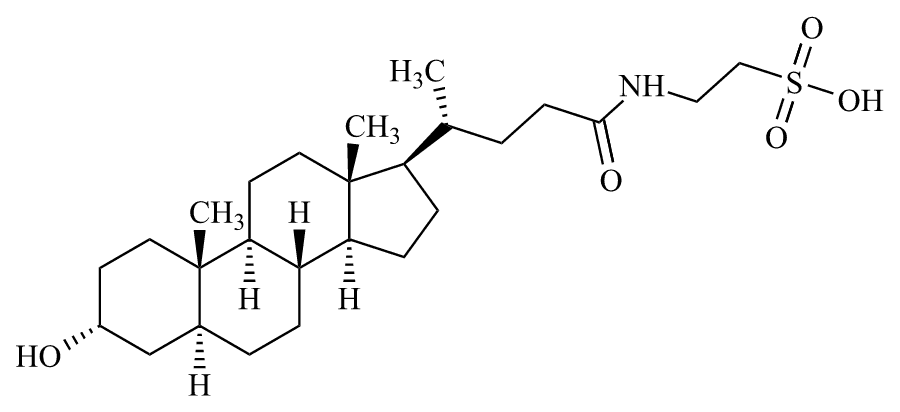
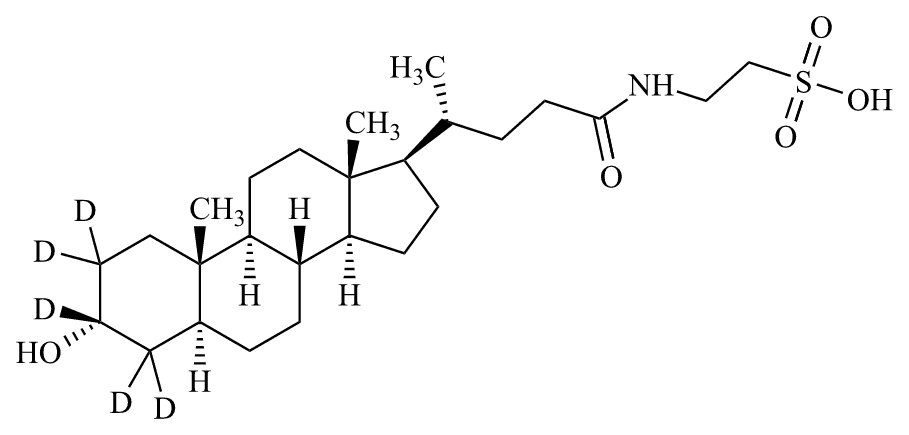
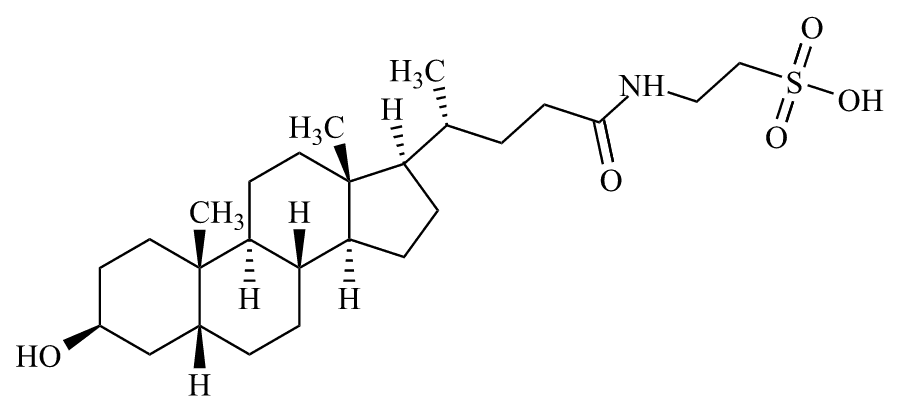
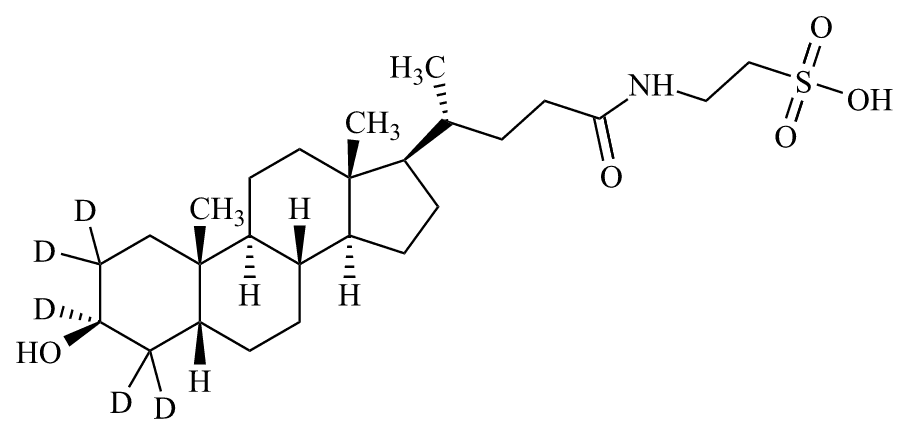
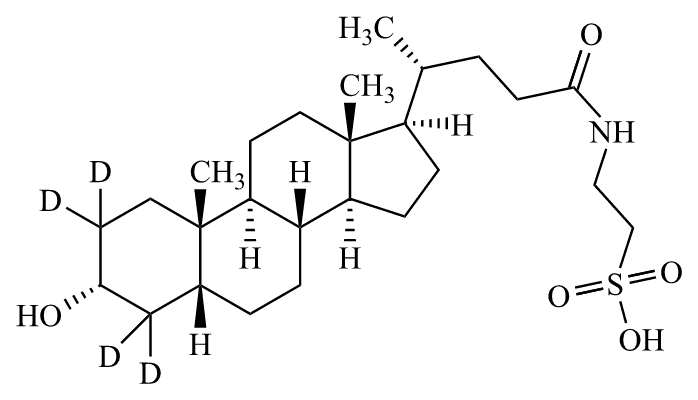
Lithocholic acid is a secondary bile acid that belongs to the cholic acid family and is frequently investigated in preclinical research to assess biliary excretion, hepatotoxicity, and mechanisms related to cholestasis. As a bioactive steroid, this compound serves as a critical focus in pharmaceutical analysis, where laboratories rely on high-quality reference standards to ensure accurate results. This category includes a comprehensive range of lithocholic acid derivatives, including pharmacopeial and non-pharmacopeial impurities, glycine and taurine conjugates, and metabolites. Analytical laboratories utilize these materials for impurity profiling, method validation, and quantitative quality control. To support complex LC-MS or GC-MS workflows, this collection also features stable isotope labelled compounds, which act as internal standards to improve precision and sensitivity during rigorous pharmaceutical testing and research applications.

