India +91 94223 00020abhay@splendidlab.comISO 17034:2016 · GLP certified
Lornoxicam is a nonsteroidal anti-inflammatory drug (NSAID) belonging to the oxicam class, indicated for the relief of pain and inflammation associated with conditions such as osteoarthritis, rheumatoid… Read more


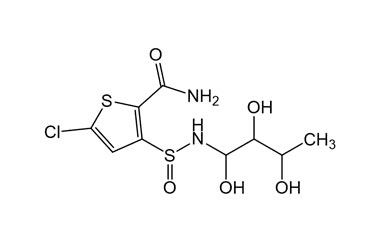


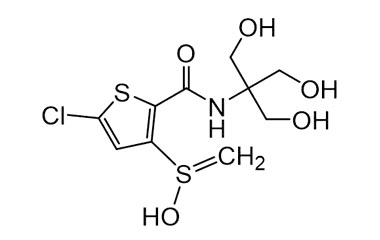


Lornoxicam is a nonsteroidal anti-inflammatory drug (NSAID) belonging to the oxicam class, indicated for the relief of pain and inflammation associated with conditions such as osteoarthritis, rheumatoid arthritis, and postoperative recovery. To ensure the safety and efficacy of this medication, pharmaceutical laboratories rely on a comprehensive range of high-quality analytical tools. This category provides essential reference standards for the parent drug, as well as pharmacopeial and non-pharmacopeial impurities, degradation products, and stable isotope labelled compounds. These materials are critical for accurate impurity profiling, method validation, and consistent quality control throughout the drug development and manufacturing lifecycle. By utilizing these characterized standards, researchers can effectively perform quantitative analysis, demonstrate the precision and reproducibility of analytical procedures, and meet the rigorous regulatory requirements necessary for maintaining drug quality and patient safety in both oral and parenteral formulations.

