India +91 94223 00020abhay@splendidlab.comISO 17034:2016 · GLP certified
Loxapine succinate is a typical antipsychotic medication belonging to the dibenzoxazepine class, which is primarily prescribed for the management of schizophrenia. This therapeutic agent functions as a… Read more
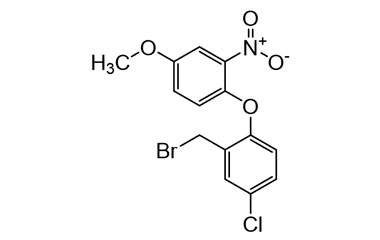
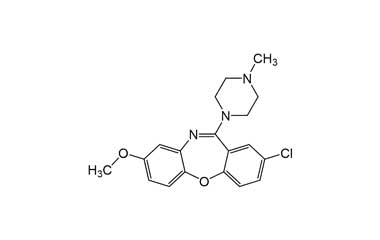


Loxapine succinate is a typical antipsychotic medication belonging to the dibenzoxazepine class, which is primarily prescribed for the management of schizophrenia. This therapeutic agent functions as a dopamine D2 receptor antagonist to help control psychotic symptoms. To ensure the safety and efficacy of pharmaceutical formulations, laboratories utilize reference standards of loxapine succinate alongside a comprehensive range of related compounds. These include pharmacopeial and non-pharmacopeial impurities, metabolites, and stable isotope labelled compounds, which are essential for rigorous analytical testing and quality control. By employing these high-quality standards, researchers can conduct precise impurity profiling, perform method validation, and accurately monitor degradation products throughout the drug development process. These materials support compliance with regulatory standards by enabling the accurate identification and quantification of analytes in complex matrices.

