India +91 94223 00020abhay@splendidlab.comISO 17034:2016 · GLP certified
Lycopene is a naturally occurring carotenoid pigment and potent antioxidant responsible for the characteristic red color of foods such as tomatoes and pink grapefruit. While widely studied for its potential… Read more
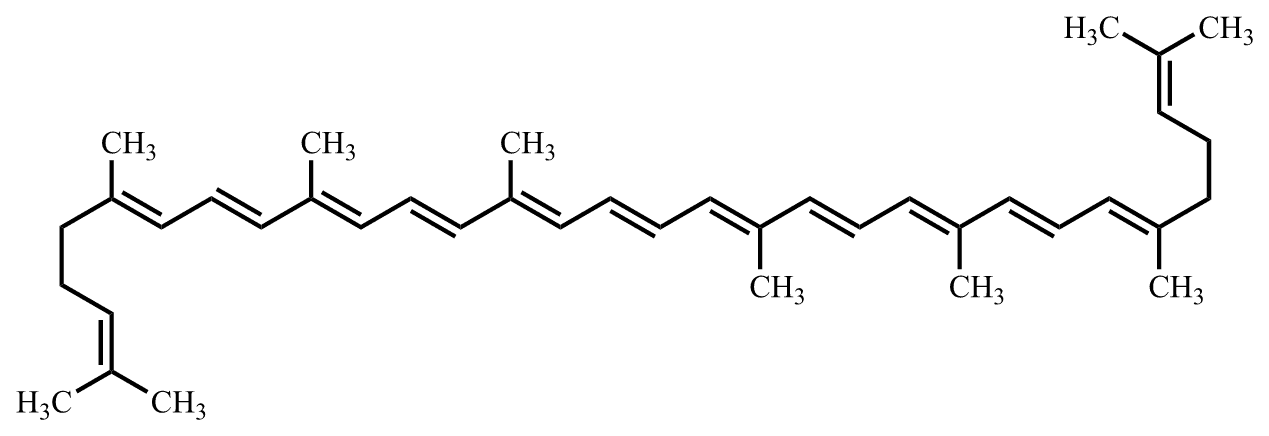
Lycopene is a naturally occurring carotenoid pigment and potent antioxidant responsible for the characteristic red color of foods such as tomatoes and pink grapefruit. While widely studied for its potential role in reducing oxidative stress and supporting cardiovascular health, it is frequently analyzed in food science and nutraceutical research. This category features a comprehensive collection of Lycopene reference standards, including various cis-isomers like (5Z)-Lycopene, (9Z)-Lycopene, and (13Z)-Lycopene, as well as prolycopene and relevant impurity profiles. Pharmaceutical and analytical laboratories utilize these high-quality reference materials for impurity profiling, method validation, and rigorous quality control. By incorporating stable isotope labelled compounds and specific impurities, researchers can accurately quantify Lycopene levels, ensure product consistency, and investigate metabolic pathways during the development and testing of carotenoid-based formulations.