India +91 94223 00020abhay@splendidlab.comISO 17034:2016 · GLP certified
Lymecycline is a tetracycline-class antibiotic primarily indicated for the treatment of bacterial infections, including acne and respiratory conditions. To ensure the safety and efficacy of this medication,… Read more


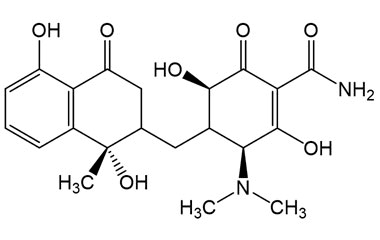
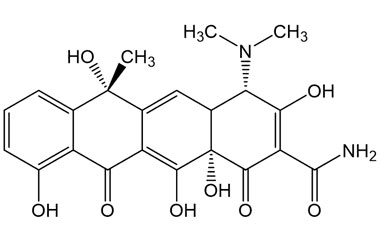
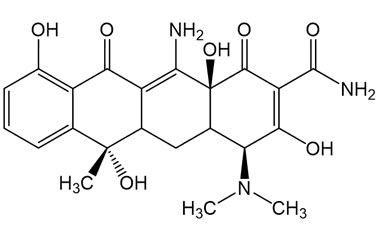




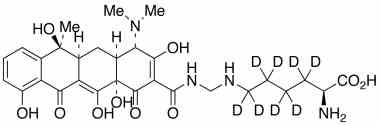
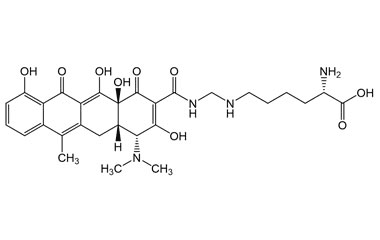

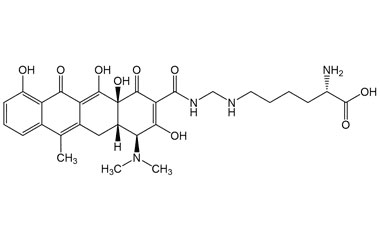


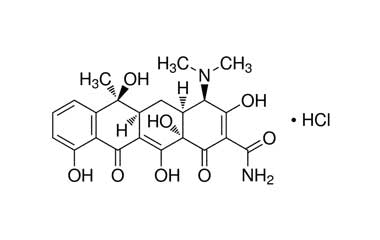


Lymecycline is a tetracycline-class antibiotic primarily indicated for the treatment of bacterial infections, including acne and respiratory conditions. To ensure the safety and efficacy of this medication, pharmaceutical laboratories rely on high-quality Lymecycline reference standards for rigorous quality control and analytical testing. The compounds in this category—including pharmacopeial and non-pharmacopeial impurities, degradation products, and stable isotope labelled versions—are essential tools for scientists conducting impurity profiling. These standards facilitate method validation, helping to identify and quantify potential byproducts formed through stress conditions like hydrolysis or oxidation. By utilizing these characterized reference materials, laboratories can support compliance with regulatory guidelines, maintain the stability of pharmaceutical formulations, and ensure accurate detection of substances during drug development and routine testing.

