India +91 94223 00020abhay@splendidlab.comISO 17034:2016 · GLP certified
Malonic acid and its derivatives function as critical building blocks and intermediates in organic synthesis and pharmaceutical development. As a dicarboxylic organic compound that acts as a structural… Read more
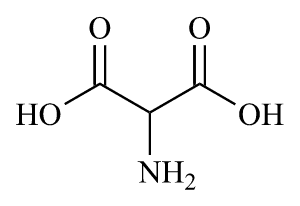
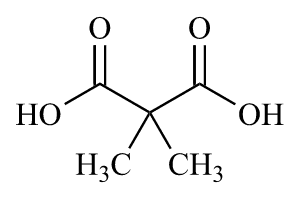
Malonic acid and its derivatives function as critical building blocks and intermediates in organic synthesis and pharmaceutical development. As a dicarboxylic organic compound that acts as a structural analog to succinic acid, malonic acid plays a distinct role in biological pathways, often utilized in research environments as a precursor or inhibitor in metabolic studies. This category features malonic acid alongside various substituted forms, such as 2-aminomalonic acid and dimethylmalonic acid, as well as complex esters used as synthetic intermediates. Analytical laboratories incorporate these compounds as high-quality reference standards for rigorous impurity profiling, method validation, and quality control processes. Researchers rely on these well-characterized materials and their stable isotope labelled counterparts to ensure accuracy in quantitative analysis, supporting the development and safety monitoring of active pharmaceutical ingredients throughout the synthesis pipeline.