India +91 94223 00020abhay@splendidlab.comISO 17034:2016 · GLP certified
Methylcobalamin is a biologically active form of vitamin B12 within the cobalamin class, widely prescribed to treat conditions such as pernicious anemia, peripheral neuropathy, and diabetic neuropathy.… Read more


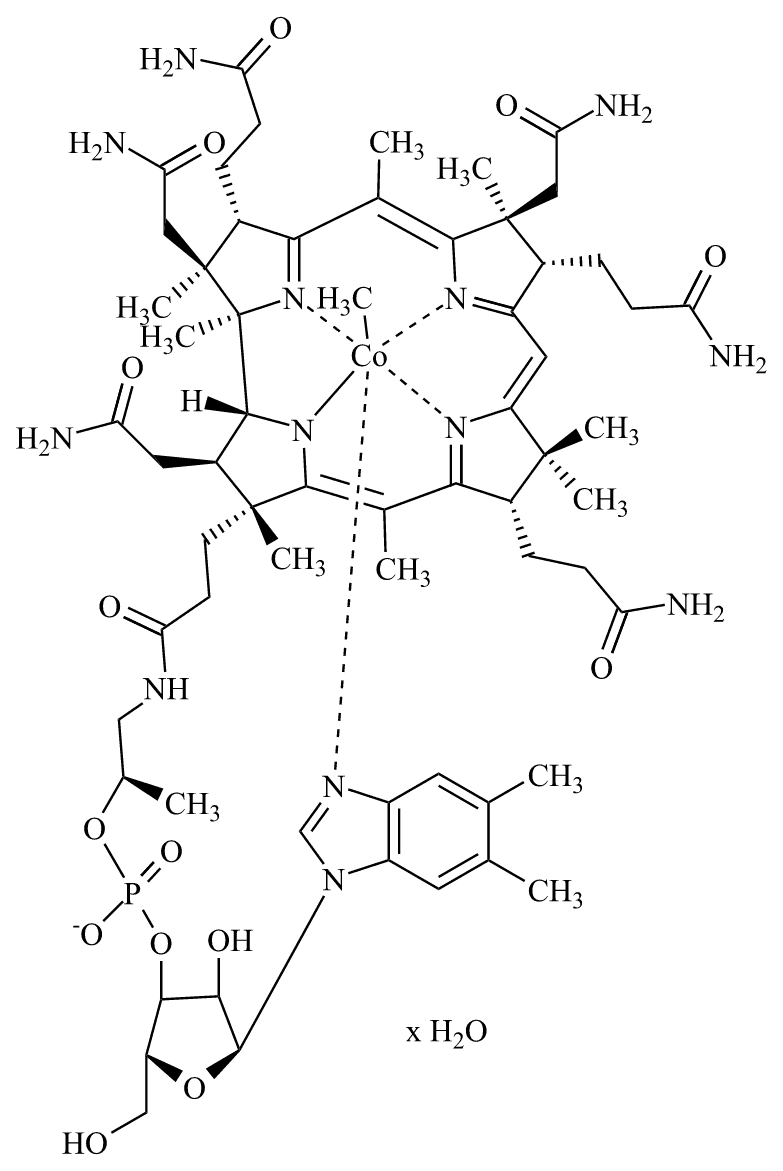

Methylcobalamin is a biologically active form of vitamin B12 within the cobalamin class, widely prescribed to treat conditions such as pernicious anemia, peripheral neuropathy, and diabetic neuropathy. It functions as an essential coenzyme in the methionine synthase reaction, facilitating the critical conversion of homocysteine to methionine. For pharmaceutical development and analysis, laboratory professionals utilize comprehensive reference standards, including the active pharmaceutical ingredient, to ensure accurate quantification and characterization. This category features high-quality impurities and stable isotope labelled compounds, such as methylated variants and related degradation products, which are indispensable for impurity profiling and method validation. By incorporating these precision standards into analytical protocols, laboratories can conduct rigorous quality control and verify the identity and purity of pharmaceutical formulations. These tools support compliance with pharmacopeial standards and assist in the accurate monitoring of stability and degradation during routine analytical testing.

