India +91 94223 00020abhay@splendidlab.comISO 17034:2016 · GLP certified
Methylnaltrexone bromide is a peripherally acting mu-opioid receptor antagonist used to treat opioid-induced constipation in patients with advanced illness or those receiving palliative care. By selectively… Read more
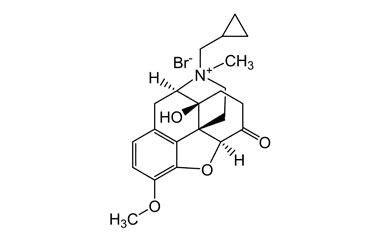


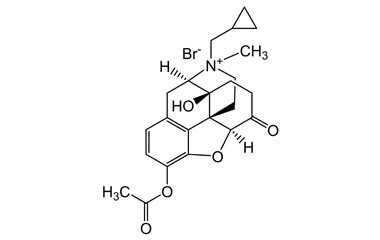

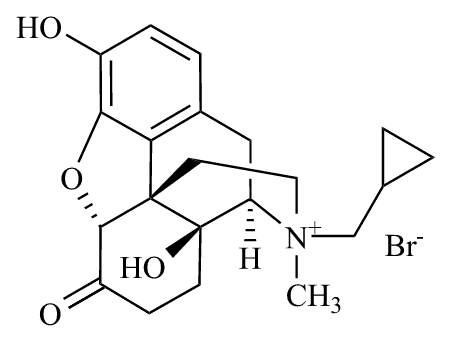
Methylnaltrexone bromide is a peripherally acting mu-opioid receptor antagonist used to treat opioid-induced constipation in patients with advanced illness or those receiving palliative care. By selectively blocking peripheral opioid receptors without crossing the blood-brain barrier, it relieves constipation while maintaining central pain management. This category provides comprehensive analytical support for the development and regulation of this drug, offering essential reference standards for the methylnaltrexone bromide active pharmaceutical ingredient. Laboratories rely on these high-quality compounds, including pharmacopeial and non-pharmacopeial impurities such as acetylated and O-methylated derivatives, to perform rigorous impurity profiling. By utilizing these materials alongside stable isotope labelled compounds, researchers can conduct accurate method validation and quality control testing, ensuring compliance with regulatory requirements throughout the pharmaceutical lifecycle.

