India +91 94223 00020abhay@splendidlab.comISO 17034:2016 · GLP certified
Microcystin refers to a group of potent cyclic heptapeptide hepatotoxins produced by cyanobacteria, which exert their biological effects by inhibiting protein phosphatases 1 and 2A. This mechanism leads… Read more
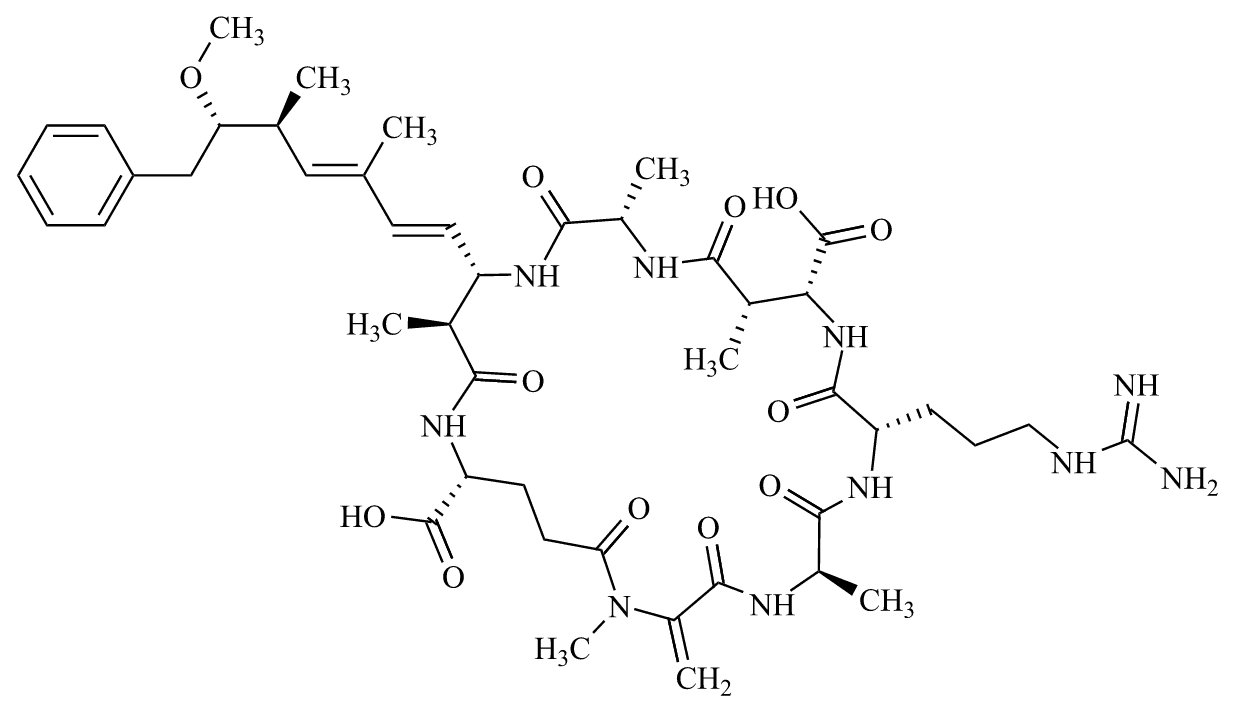
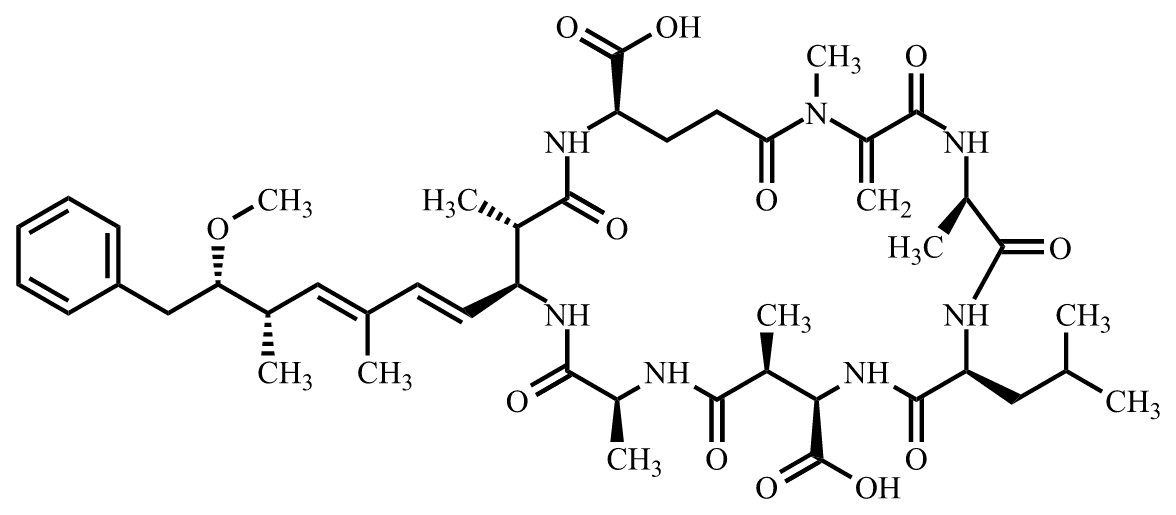
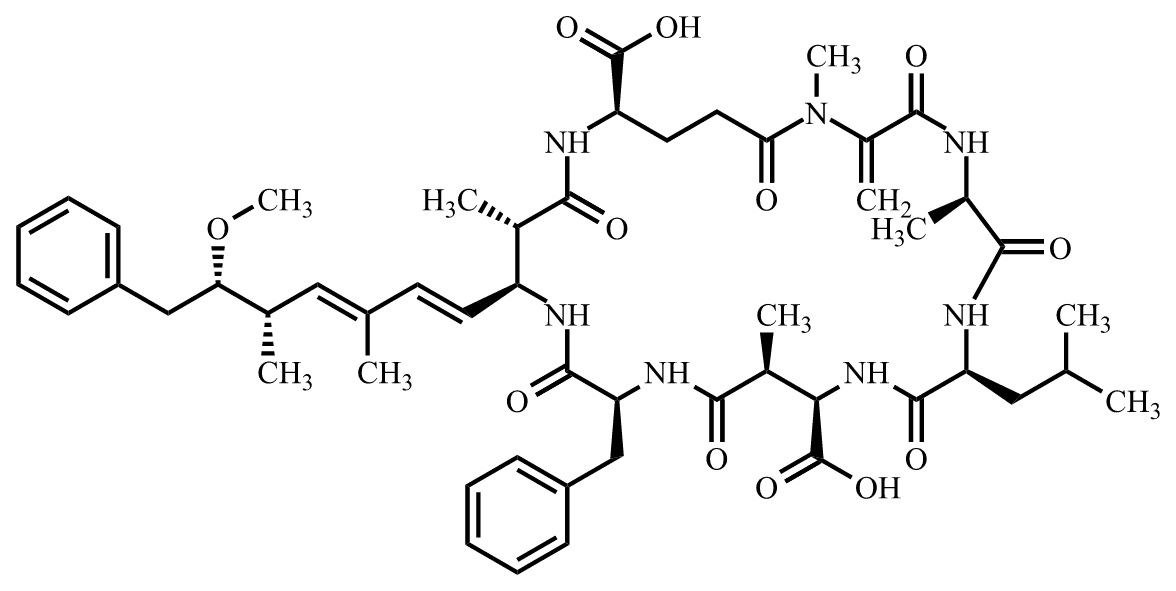
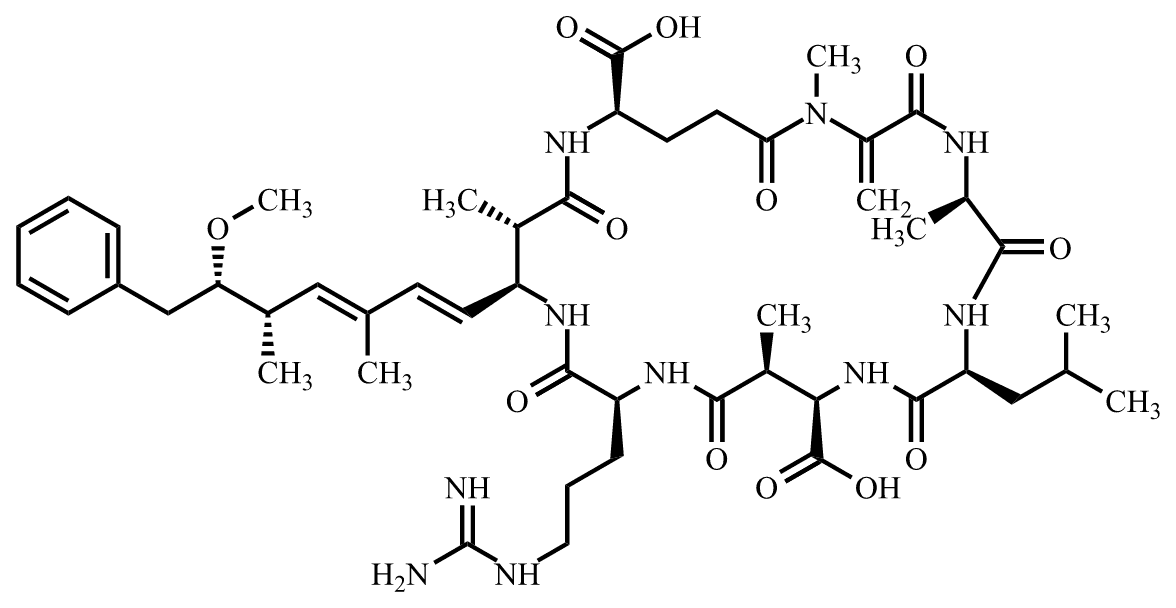
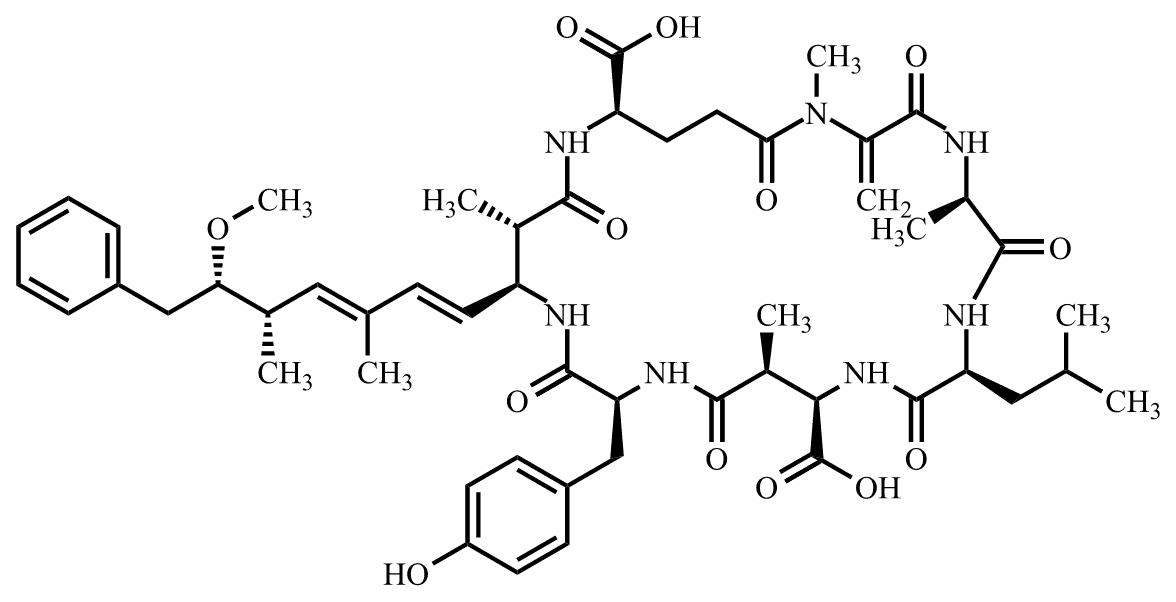
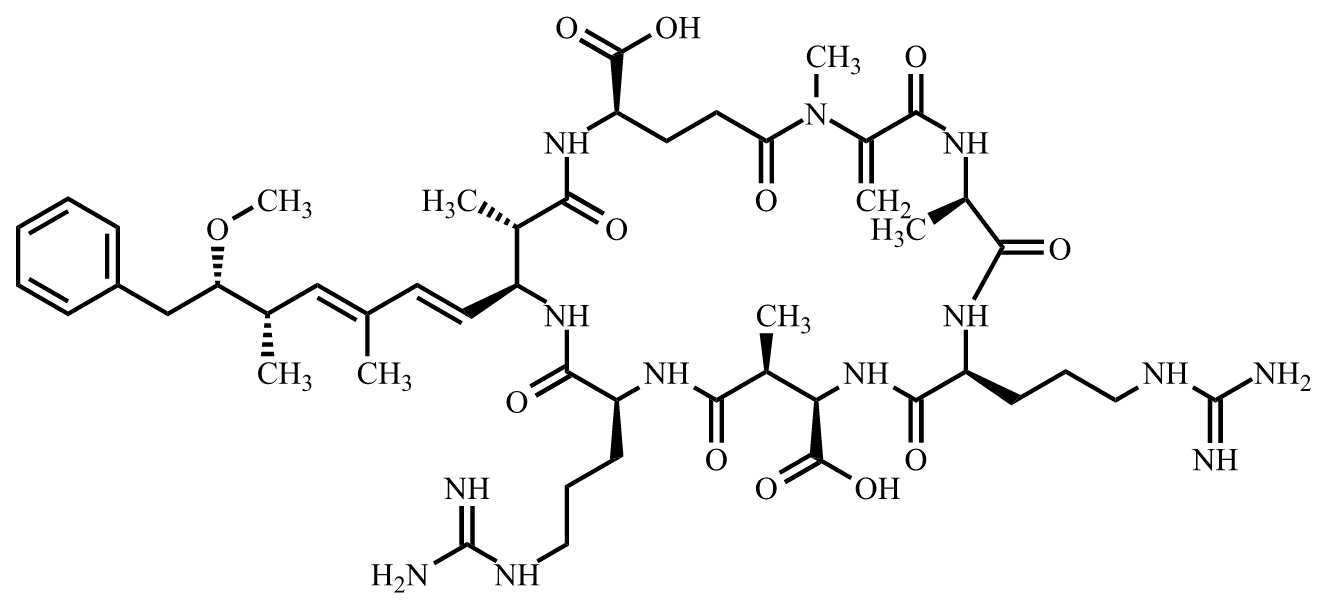
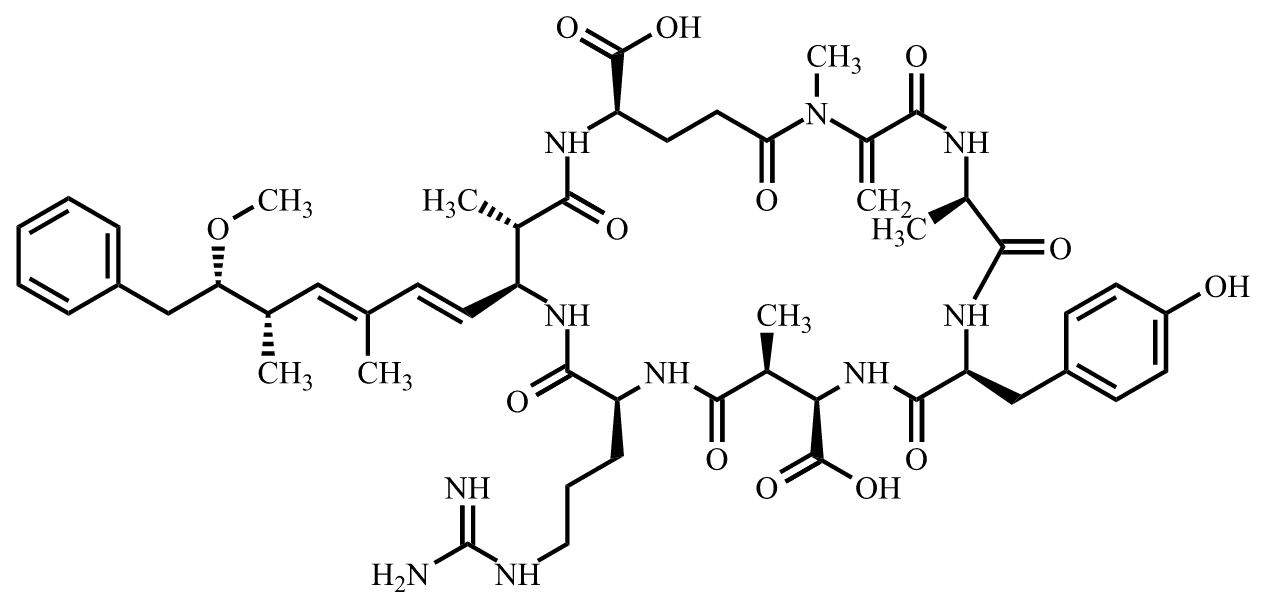
Microcystin refers to a group of potent cyclic heptapeptide hepatotoxins produced by cyanobacteria, which exert their biological effects by inhibiting protein phosphatases 1 and 2A. This mechanism leads to excessive cellular phosphorylation and significant liver toxicity. Due to their prevalence in environmental water sources, these compounds are critical for analytical testing and toxicological research. Laboratories utilize high-quality reference standards of specific microcystin isomers and derivatives—such as Microcystin LR, RR, and YR—to facilitate accurate detection, method validation, and risk assessment protocols. By providing consistent standards for impurity profiling and quantitative analysis, this range of compounds enables precise monitoring and quality control in both environmental and pharmaceutical settings, ensuring the reliable identification of these toxins in complex matrices.

