India +91 94223 00020abhay@splendidlab.comISO 17034:2016 · GLP certified
Miltefosine is a phospholipid-based antileishmanial agent primarily indicated for the treatment of visceral and New World cutaneous leishmaniasis. By disrupting the cell membrane integrity of Leishmania… Read more

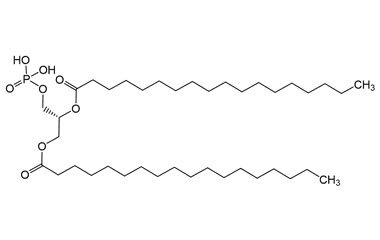





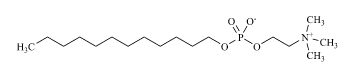


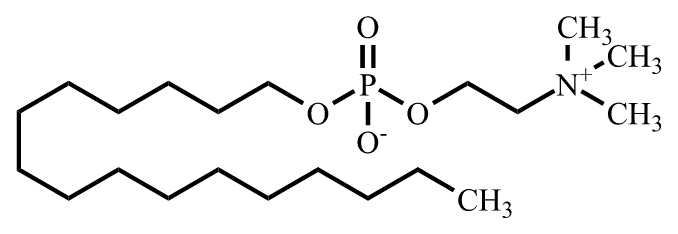

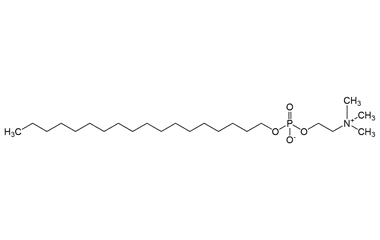

Miltefosine is a phospholipid-based antileishmanial agent primarily indicated for the treatment of visceral and New World cutaneous leishmaniasis. By disrupting the cell membrane integrity of Leishmania parasites, this compound effectively induces parasitic cell death. Laboratories require high-quality reference standards of Miltefosine, along with its associated impurities and metabolites, to support rigorous analytical testing, method validation, and quality control. This catalogue offers a range of critical materials designed for precise impurity profiling, including various phospholipid analogues and degradation products, as well as stable isotope labelled compounds. These specialized substances allow researchers and analytical chemists to accurately identify, quantify, and monitor trace components throughout the development and manufacturing processes of the active pharmaceutical ingredient, ensuring consistent standards are maintained across all therapeutic applications.

