India +91 94223 00020abhay@splendidlab.comISO 17034:2016 · GLP certified
Misoprostol is a synthetic prostaglandin E1 analog primarily used to reduce the risk of NSAID-induced gastric ulcers, induce labor, manage miscarriages, and treat postpartum hemorrhage. As part of rigorous… Read more






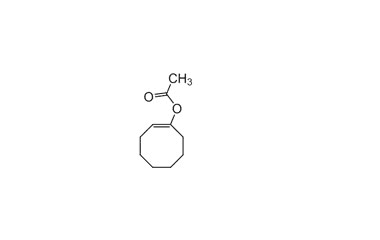

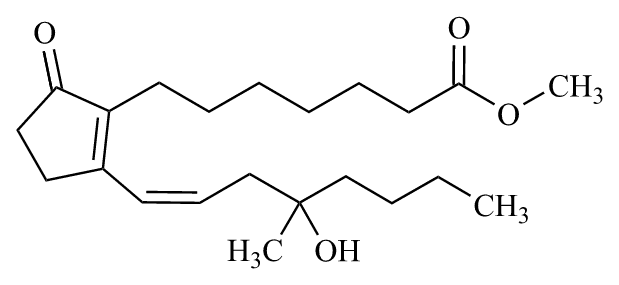











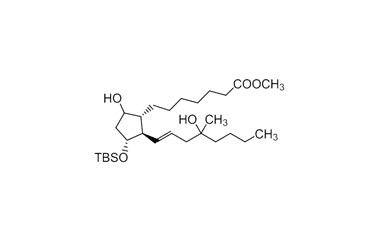


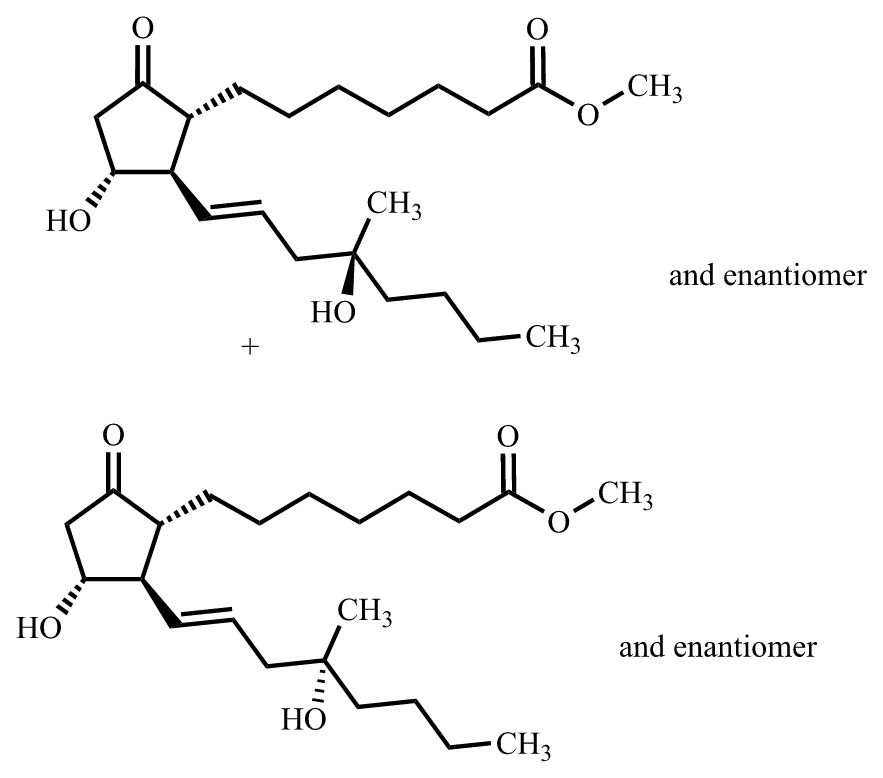



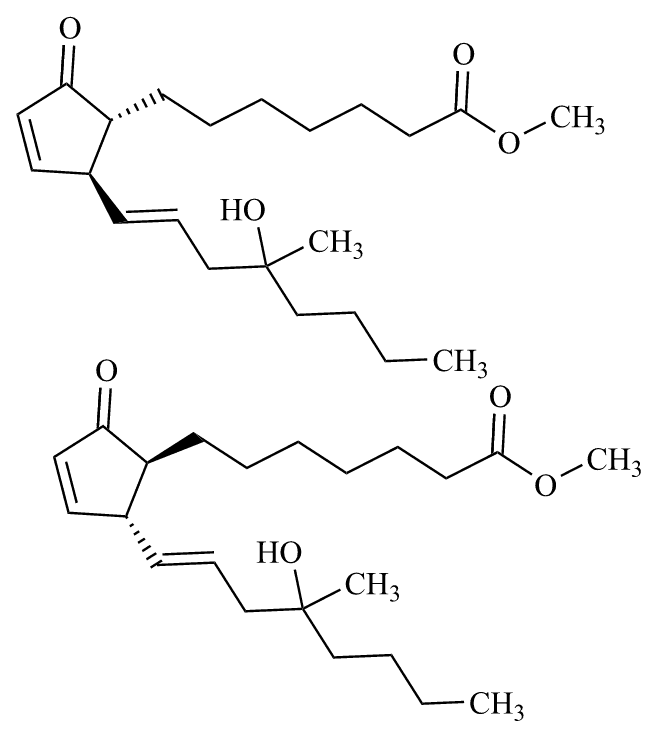
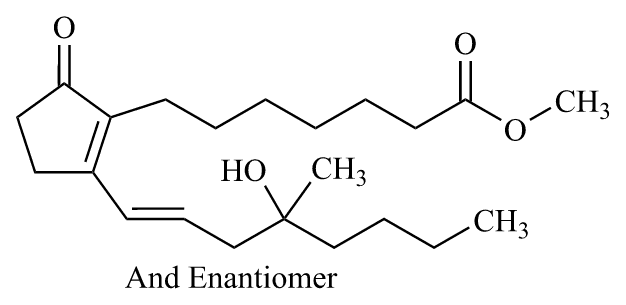
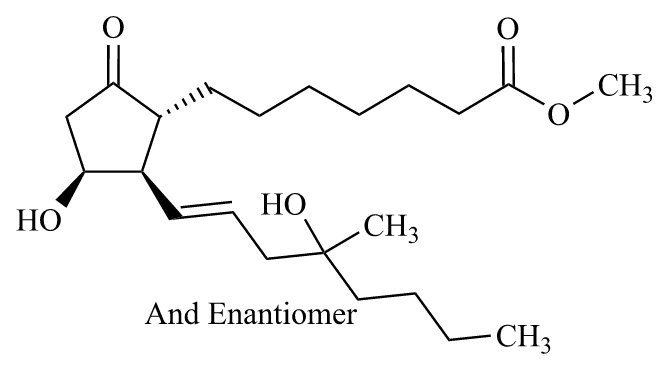

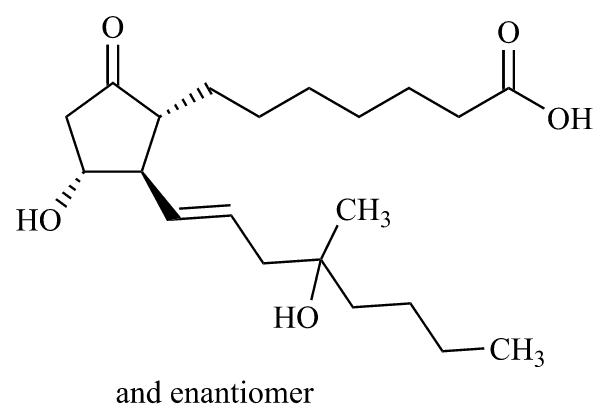
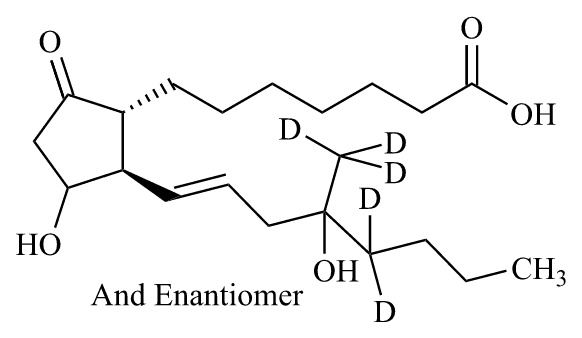
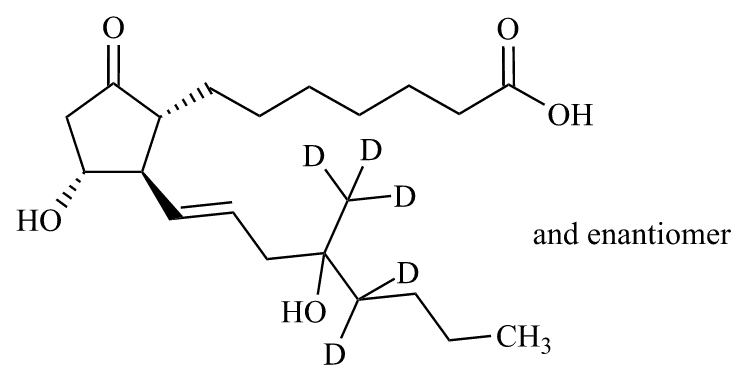





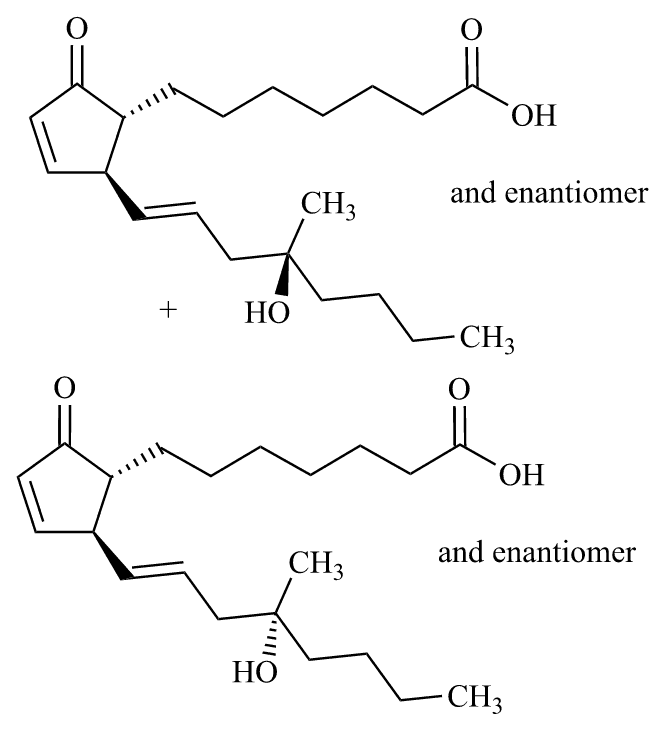
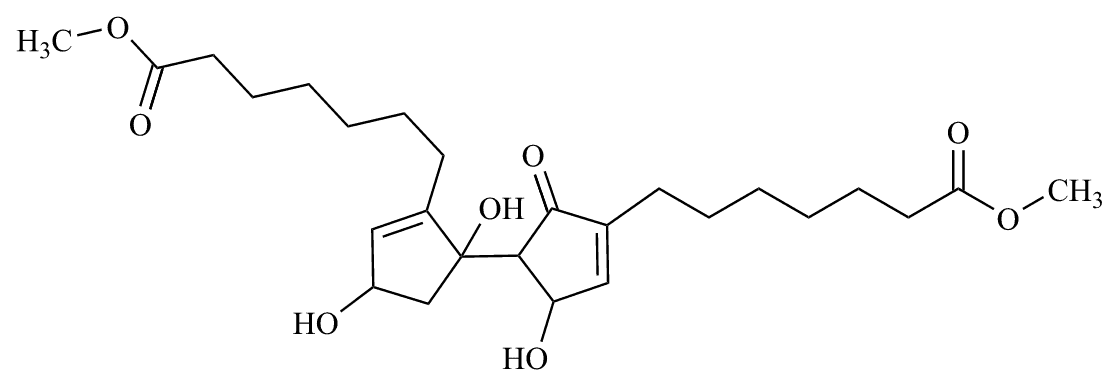

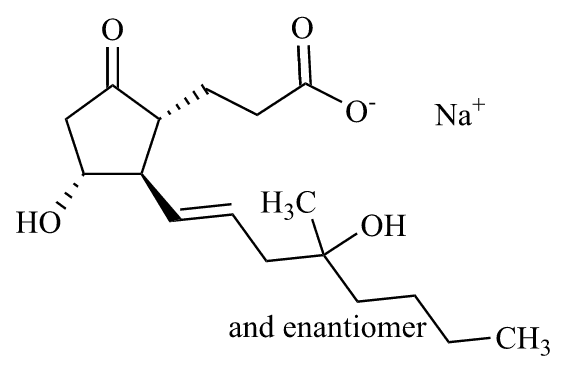

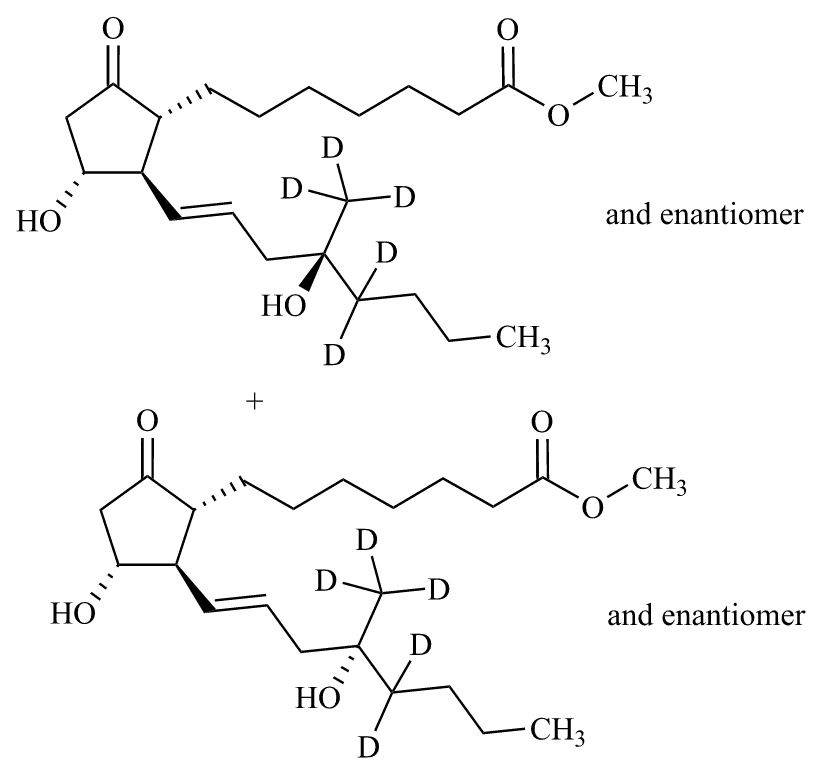

Misoprostol is a synthetic prostaglandin E1 analog primarily used to reduce the risk of NSAID-induced gastric ulcers, induce labor, manage miscarriages, and treat postpartum hemorrhage. As part of rigorous pharmaceutical quality control and analytical testing, laboratories require high-quality reference standards to ensure the safety and efficacy of the drug product. This category includes a comprehensive range of Misoprostol reference standards, encompassing both pharmacopeial and non-pharmacopeial impurities, such as specific epimers and isomers, as well as relevant degradation products. Additionally, the collection features key metabolites, such as tetranor-misoprostol acid, and stable isotope labelled compounds. These materials are essential for accurate impurity profiling, method validation, and conducting precise quantitative analysis in bioanalytical studies, enabling researchers to maintain compliance with regulatory standards throughout the pharmaceutical development process.

