India +91 94223 00020abhay@splendidlab.comISO 17034:2016 · GLP certified
Mitoxantrone is an anthracenedione antineoplastic agent used in the treatment of conditions such as leukemia, lymphoma, and breast cancer. It functions as a DNA intercalator that induces cell death by… Read more
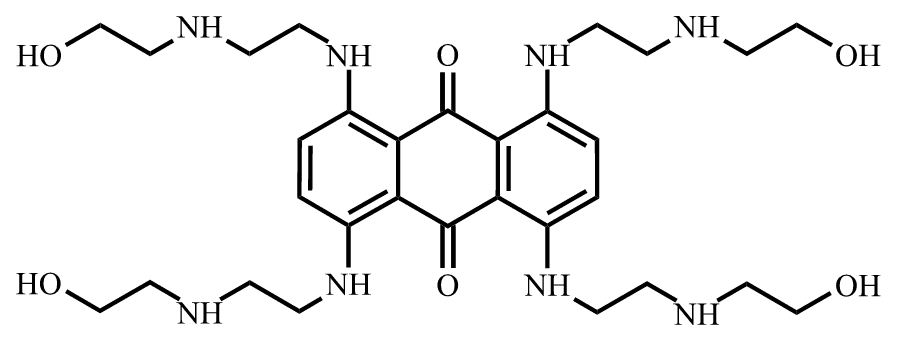

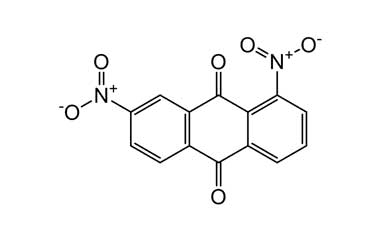
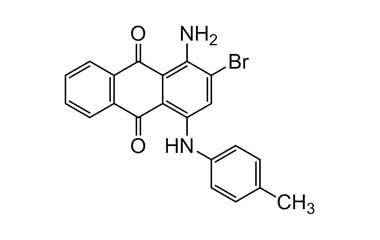

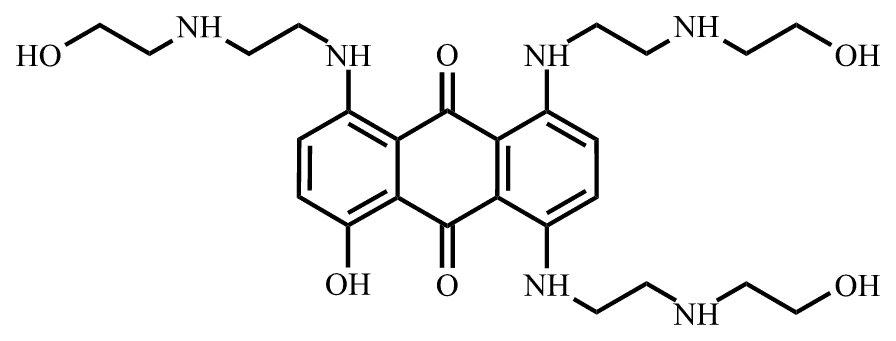

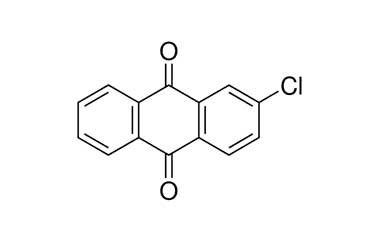
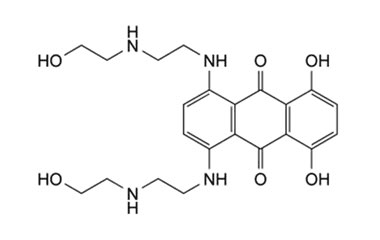
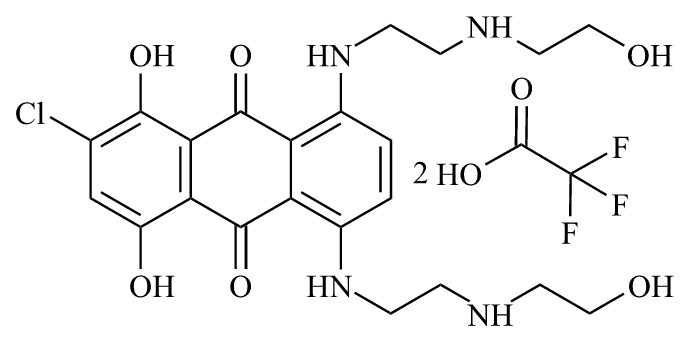
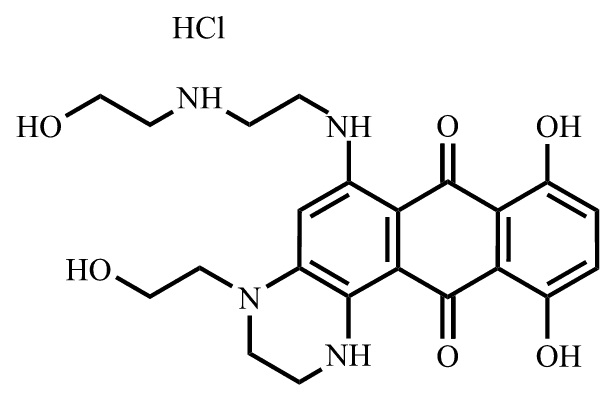
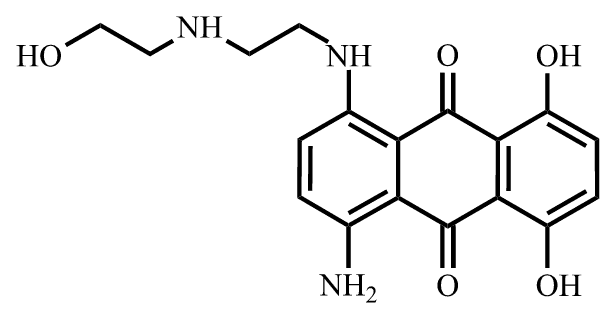
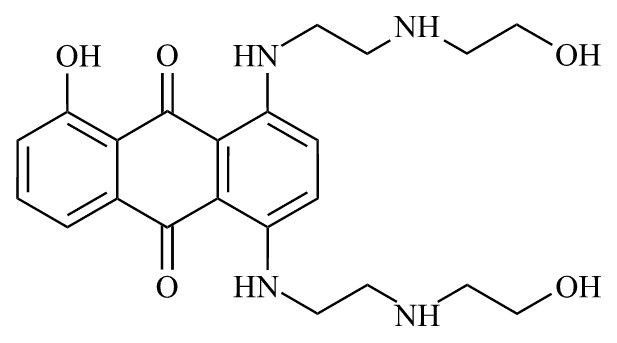
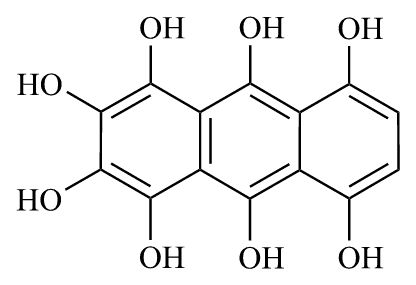

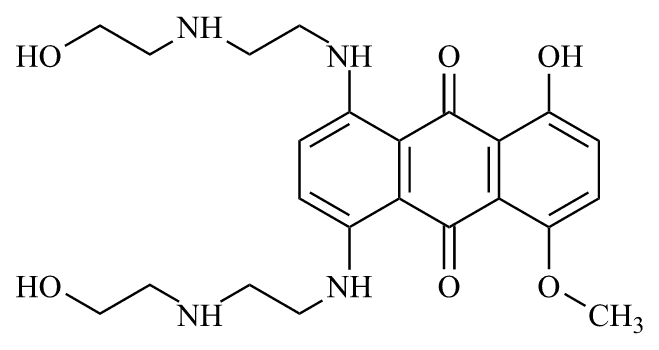
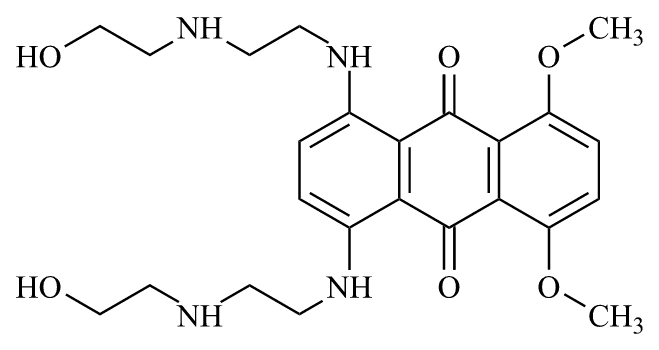
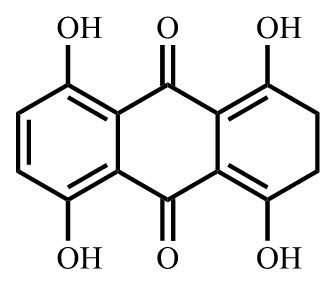
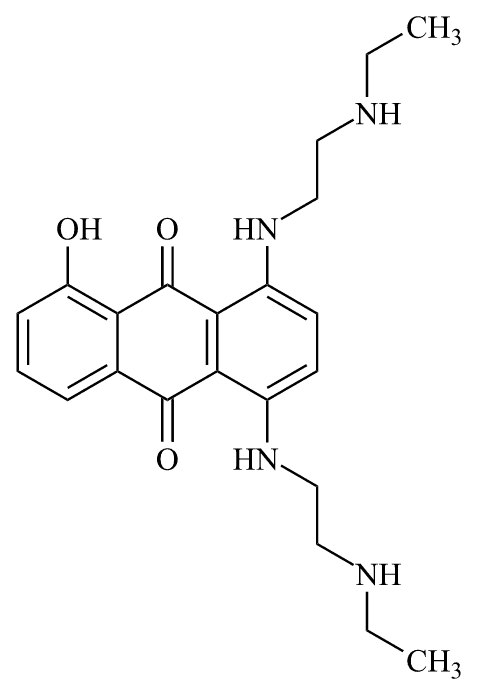
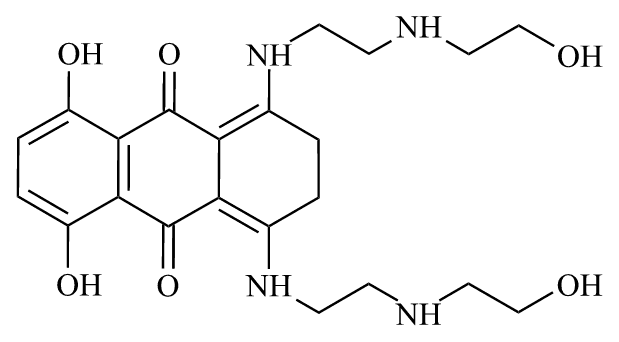
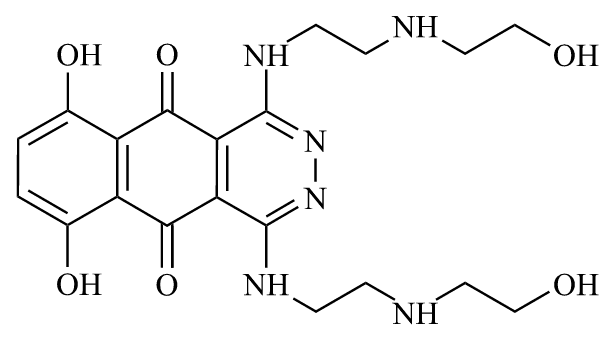
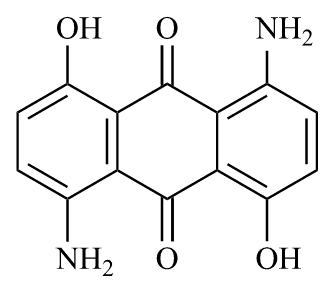
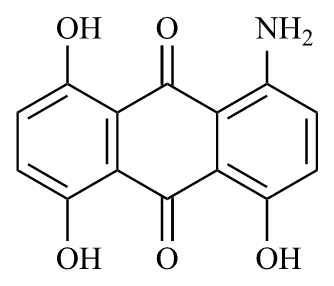
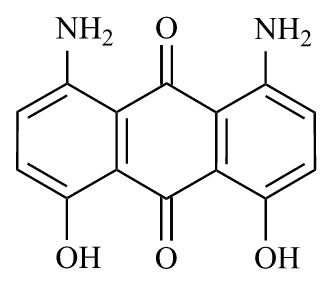


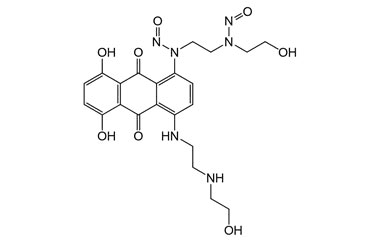

Mitoxantrone is an anthracenedione antineoplastic agent used in the treatment of conditions such as leukemia, lymphoma, and breast cancer. It functions as a DNA intercalator that induces cell death by inhibiting topoisomerase II and causing oxidative damage to cellular DNA. This category provides essential reference standards to support the rigorous analysis of this active pharmaceutical ingredient. Laboratories rely on these high-quality compounds, including pharmacopeial and non-pharmacopeial impurities such as nitroso derivatives, to perform precise impurity profiling and method validation. The inclusion of metabolites and stable isotope labelled compounds facilitates accurate quantification and the development of robust analytical methods. These materials are critical in quality control environments to ensure the consistency and regulatory compliance of finished pharmaceutical products.

